

Vishnu Statues
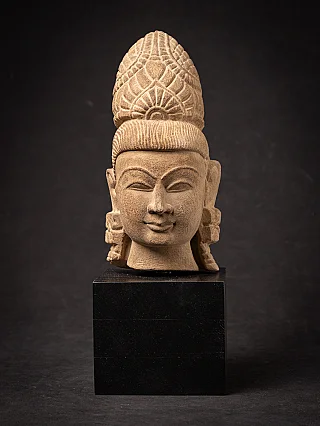
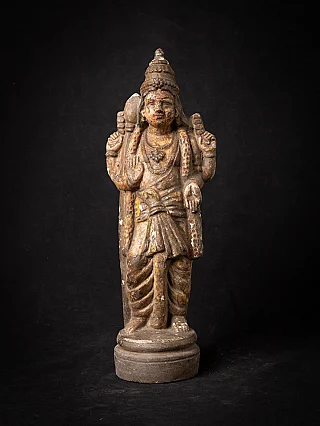
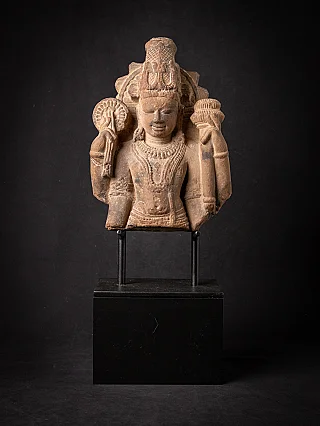
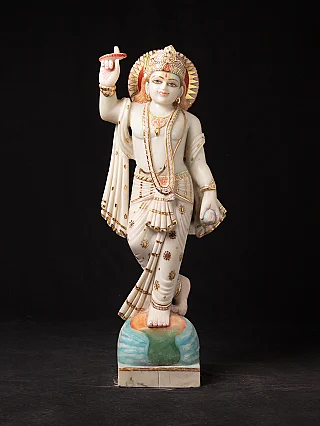
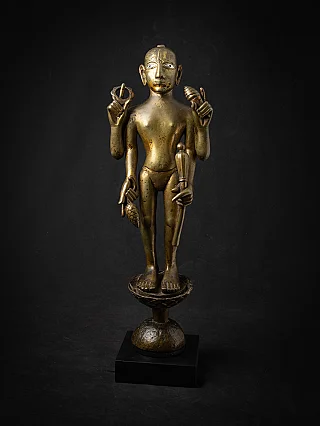
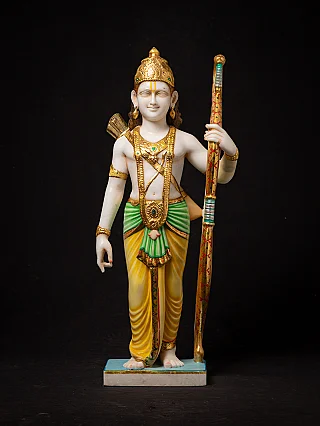
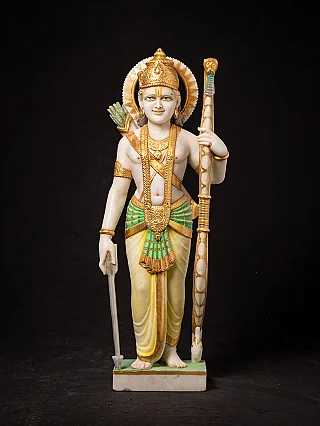
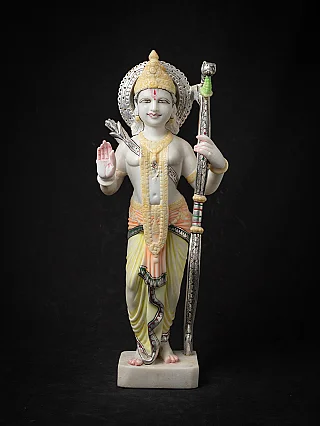
Vishnu is the preserver of the universe, one of the three supreme deities of the Hindu Trimurti alongside Brahma the creator and Shiva the destroyer. Where Shiva dissolves and Brahma creates, Vishnu sustains — he is the cosmic force that maintains order, righteousness (dharma), and balance across the ages. Our collection brings together genuine antique and finely carved Vishnu statues sourced from India, Nepal, and Southeast Asia, cast in bronze, carved from stone and marble, or shaped from wood by generations of temple artisans. Each piece carries its own history and patina, making it as much a collector's object as a symbol of devotion, ideal for a home altar, meditation room, garden, or as a meaningful gift.

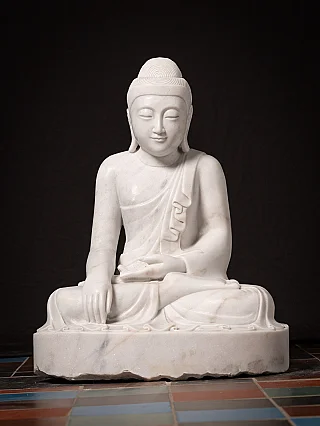
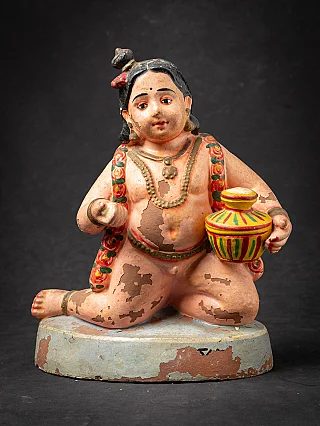
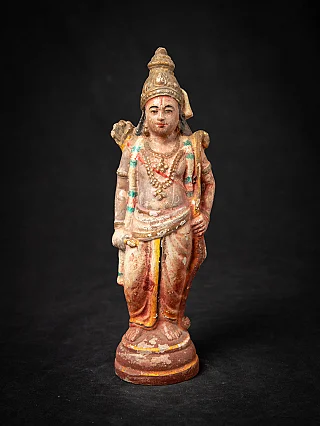
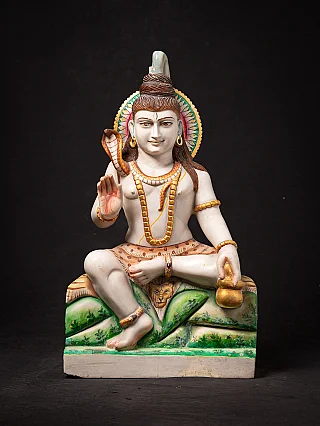

Who Is Vishnu? Meaning and Symbolism
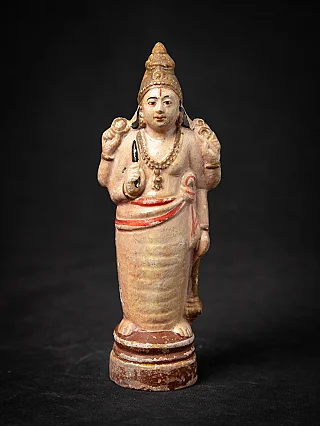
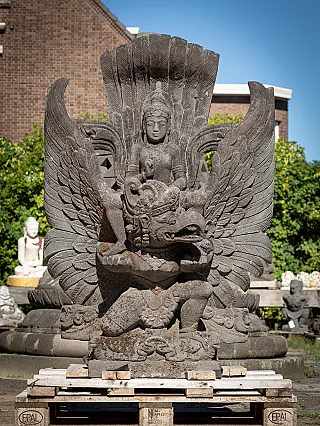
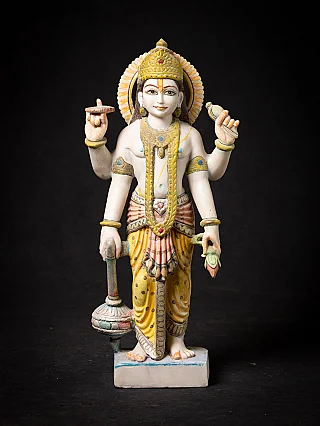
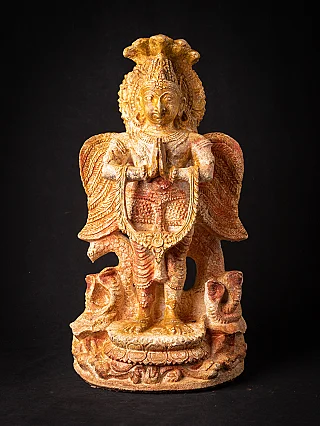
In Hindu cosmology, Vishnu descends to earth whenever chaos threatens the world, restoring balance before returning to his cosmic rest. He is most often shown with four arms, each hand holding an object rich in meaning: the conch shell (shankha), whose sound represents the primordial vibration of creation; the discus (chakra), a weapon symbolizing the destruction of ignorance; the mace (gada), representing mental and physical strength; and the lotus (padma), a symbol of purity and spiritual liberation. He is frequently depicted resting on or riding Garuda, his eagle mount, or reclining on the coils of the serpent Shesha as he sleeps between cycles of creation. His eternal consort is Lakshmi, goddess of fortune and prosperity, and the two are sometimes shown together in a single sculpture.
The Ten Avatars of Vishnu (Dashavatara)
Whenever the world falls out of balance, Hindu texts describe Vishnu taking on an earthly form to restore order. These ten principal avatars are known as the Dashavatara: Matsya the fish, Kurma the tortoise, Varaha the boar, Narasimha the man-lion, Vamana the dwarf, Parashurama the warrior with an axe, Rama the ideal king, Krishna the divine cowherd and teacher, Buddha (regarded by many Vaishnava traditions as an avatar of Vishnu), and Kalki, the prophesied future avatar who will end the current age. Of these, Krishna statues are the most widely collected avatar form in our catalog, often shown playing the flute or in his princely form.
Forms and Postures in Our Collection
Vishnu statues appear in three principal postures, each carrying its own devotional meaning. A standing Vishnu shows him alert and active, fulfilling his role as protector of the universe. A seated Vishnu conveys stillness, meditation, and divine wisdom. A reclining Vishnu, known as Anantashayana, portrays him asleep on the serpent Shesha adrift on the cosmic ocean, a scene representing the pause between one cycle of creation and the next. Browsing by posture lets you find a piece that matches the mood and purpose of the space you're furnishing.
Regional Craftsmanship
Every region brings its own artistic language to Vishnu iconography. Statues from India, our largest source, tend to follow classical temple traditions, with precise iconometric proportions and detailed regalia. Pieces from Nepal often blend Hindu and Buddhist visual elements, a reflection of the two religions' shared history in the Kathmandu Valley, while Southeast Asian interpretations bring softer lines and regional ornamentation influenced by Khmer and Javanese temple art. You can explore this broader regional context, along with sculptures of other deities, on our Hindu god statues from India page.
Materials: From Antique Bronze to Hand-Carved Stone
We select Vishnu statues in the materials traditionally used by temple sculptors across South and Southeast Asia. Our bronze statues are lost-wax cast and often carry a deep, aged patina that only develops over decades of handling and devotion. Stone and sandstone statues, including marble pieces, are prized for their weight, permanence, and the way age softens their surface detail, making them well suited to temples and gardens alike. Wooden statues are hand-chiseled and typically lighter, showing warmer tones and the fine grain of teak or another local hardwood. Wherever possible, we favour genuinely antique pieces over modern reproductions, since age and provenance are central to what makes a devotional statue meaningful to collect.
Vishnu Among the Hindu Pantheon
If you're building a collection or a home shrine, Vishnu is often placed alongside other members of the Hindu pantheon. Explore our full range of Hindu god statues, including Shiva statues, Lakshmi statues, Parvati statues, Saraswati statues, Ganesha statues, and Hanuman statues, each representing a different facet of Hindu devotional life and mythology.
Choosing and Caring for Your Vishnu Statue
When buying an antique Vishnu statue, look for signs of genuine age: natural wear on high points, an even patina, and construction consistent with the claimed period and region. We document the likely origin and age of every piece we sell so you can buy with confidence. For outdoor placement, our stone and lavastone pieces (see our garden statues) are built to withstand the elements, while bronze, wood, and marble pieces are best suited to indoor altars, shelving, or display cases out of direct sun and moisture.
Frequently Asked Questions
What does a Vishnu statue symbolize?
A Vishnu statue symbolizes preservation, balance, and protection. It represents the divine force that maintains cosmic order and is believed to bring stability, prosperity, and protection to the home in which it is placed.
Where should I place a Vishnu statue at home?
Vishnu statues are traditionally placed on a home altar or a clean, elevated surface facing east or north, though many collectors also display them in living rooms or reading spaces as a symbol of balance and protection.
What's the difference between an antique and a newly made Vishnu statue?
An antique Vishnu statue was carved or cast decades or centuries ago and carries natural wear, oxidation, and patina that cannot be replicated quickly, while a new statue is a recent reproduction. Antique pieces are generally more valuable to collectors for their history and authenticity.
Which avatar of Vishnu is most commonly depicted in statues?
Krishna and Rama, two of Vishnu's most beloved avatars, are the most frequently sculpted forms, alongside classical four-armed depictions of Vishnu himself holding the conch, discus, mace, and lotus.
What materials are Vishnu statues traditionally made from?
Bronze, stone, marble, and wood are the four traditional materials, each associated with different regional workshops across India, Nepal, and Southeast Asia.