

Arakan style
The Arakan period (also known as the Rakhine period) produced some of the earliest and most revered Buddha statues in Burmese art, with roots reaching back over a thousand years in the ancient Arakan kingdom of present-day Rakhine State. Arakan Buddha statues are known for their graceful, slender forms and serene expressions, most often cast in bronze. Our collection features antique statues from Myanmar.
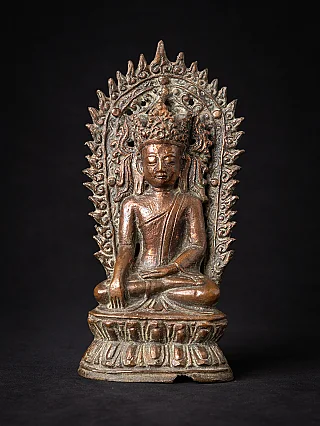
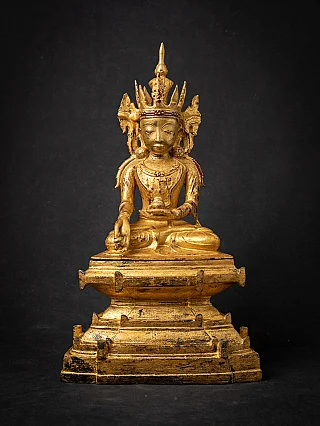
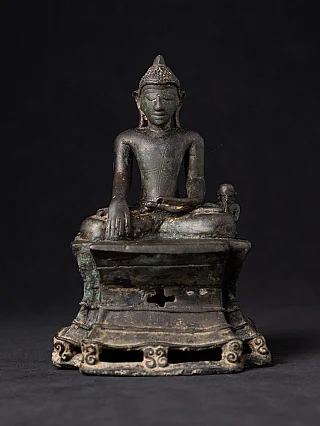
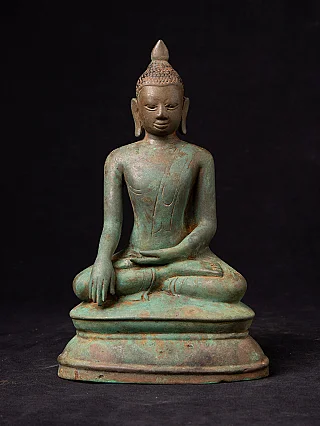
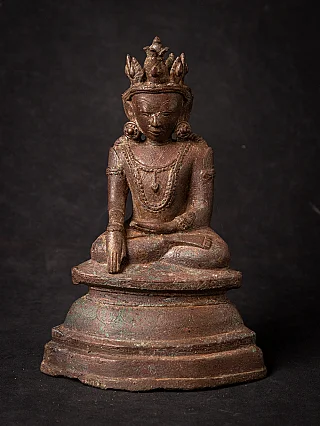
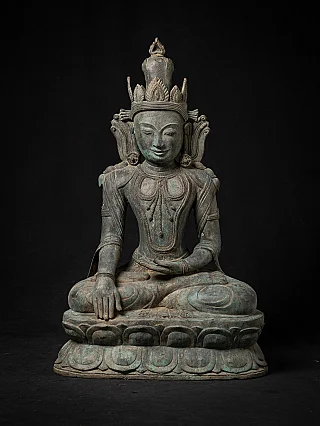


Characteristics of Arakan Buddha Statues
Arakan Buddha statues are typically cast in bronze, and occasionally carved from wood or stone. Below are the materials most commonly found in statuary from this period:
- Bronze statues: the most common material, prized for its ability to hold fine detail and develop a lasting patina.
- Wooden statues: carved for temple and household worship, though less common than bronze from this period.
- Stone statues: used occasionally, particularly for larger temple images.
What Is the Arakan Period?
The Arakan period (also called the Rakhine or Rakhaing period) refers to Buddhist art produced in the historic kingdom of Arakan, in what is now Rakhine State on Myanmar's western coast. Positioned along Indian Ocean trade routes, Arakan absorbed strong influences from Indian Buddhist art alongside its own Burmese traditions, producing a distinctive style that predates and later coexisted with the Bagan and Mon traditions elsewhere in Myanmar.
How to Identify an Arakan Buddha Statue
Arakan statues are recognized by their graceful, slender proportions, delicate facial features, and calm, contemplative expressions. Robes are rendered in flowing, naturalistic folds, and many statues carry fine floral or jewel motifs reflecting the region's trade links with India. Bronze examples often develop a deep, dark patina with age, a mark collectors look for when assessing authenticity.
Placing and Collecting an Arakan Buddha Statue
As one of the oldest Buddhist art traditions in Burma, Arakan statues make a striking centerpiece for a range of settings:
- Home altar or shrine: a meaningful focal point for daily devotion.
- Living room or study: the slender, graceful form suits both traditional and minimalist interiors.
- Meditation space: the calm, introspective expression supports quiet reflection.
- Collections of Burmese art: a natural companion to Mon, Pyu, and Bagan pieces, tracing the evolution of Buddhist art in Myanmar.
Explore Other Buddhist Art Periods
Arakan is one of several historical periods represented in our collection, each with its own regional style and history:
- Mon period statues: among the earliest Buddhist art traditions of Burma, known for rounded, serene faces.
- Pyu period statues: shaped by early Indian influence, among the oldest Buddhist art in Burma.
- Bagan period statues: the classical style of Burma's first unified kingdom.
Frequently Asked Questions
What is the Arakan period?
The Arakan period (also called the Rakhine period) refers to Buddhist art produced in the historic Arakan kingdom, in present-day Rakhine State, Myanmar, shaped heavily by Indian Ocean trade contacts.
What makes Arakan Buddha statues distinctive?
Graceful, slender proportions, delicate facial features, flowing robe folds, and a serene, contemplative expression, most often cast in bronze.
What materials were used for Arakan Buddha statues?
Bronze is most common, with wood and stone used less frequently.
How does the Arakan style differ from other Burmese periods?
Arakan statues show stronger Indian stylistic influence due to the region's coastal trade links, compared to the more homegrown aesthetics of Mon and Bagan statues from central Myanmar.