

Shan style
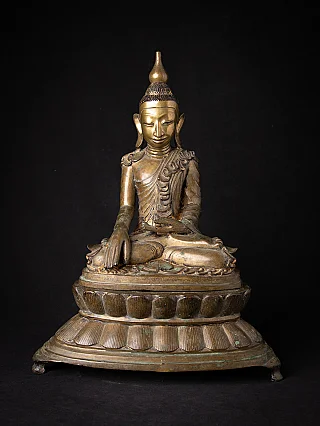
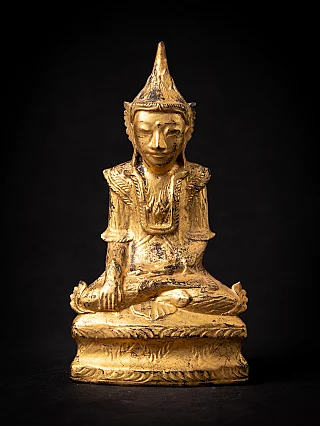
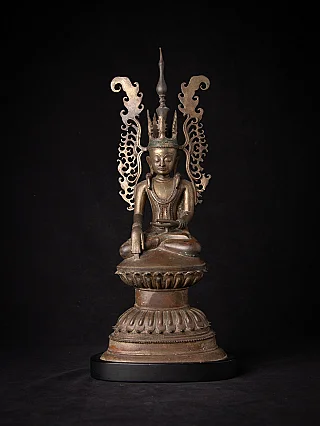
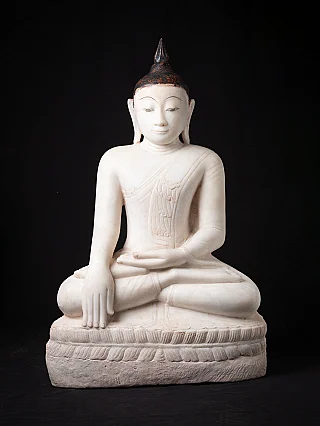
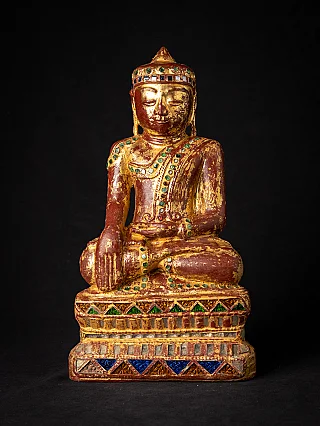
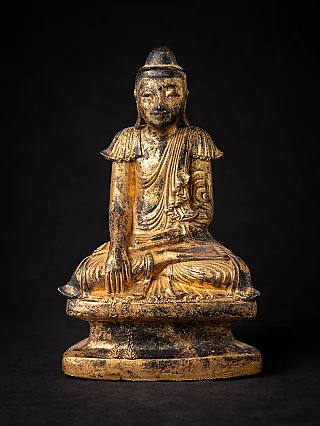
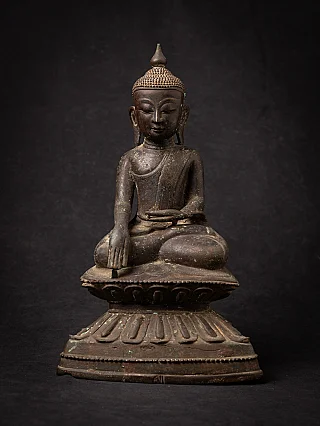
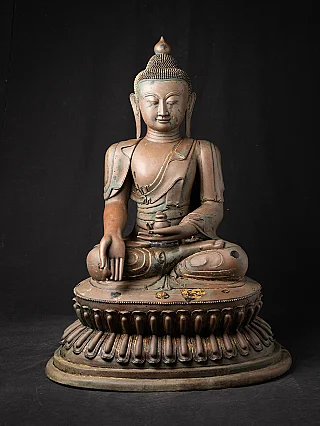
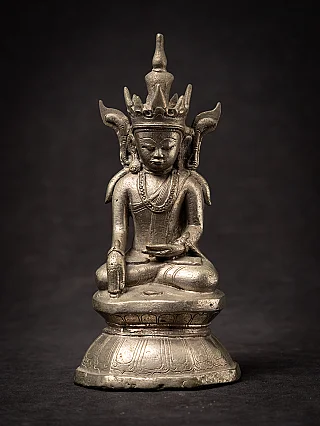
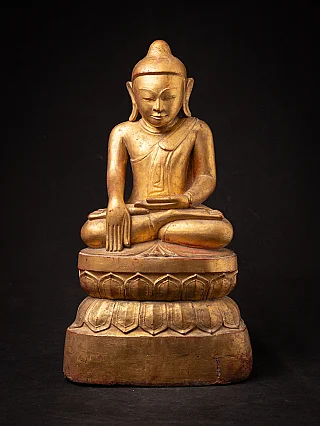
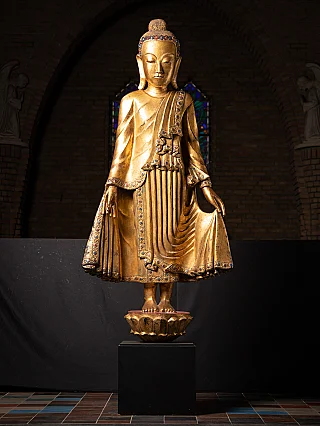
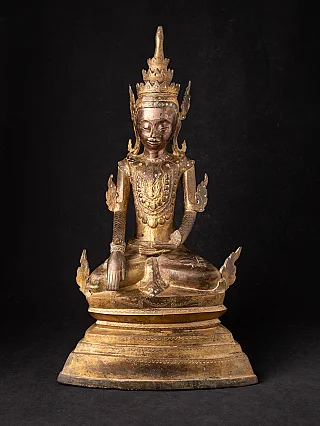
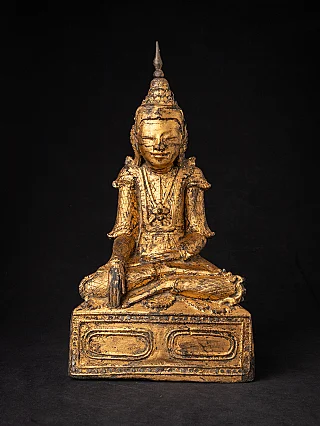
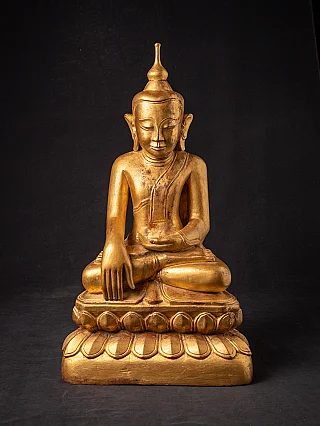
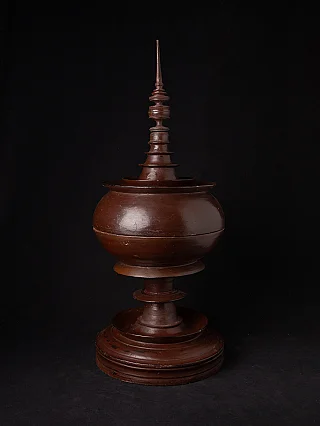
The Shan people of eastern Burma have their own distinctive tradition of Buddha statues, shaped by the region's Tai culture and close ties to neighboring Thailand and Laos. Shan Buddha statues are known for their graceful postures and fine detailing, typically carved from wood or crafted in bronze and lacquer. Our collection features antique statues from Myanmar.
-small_webp.webp)




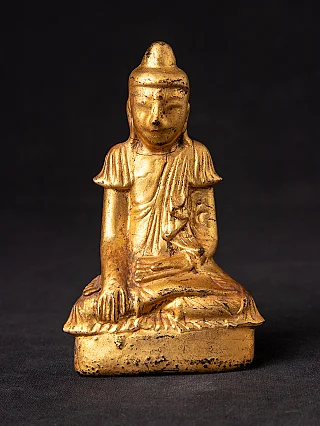
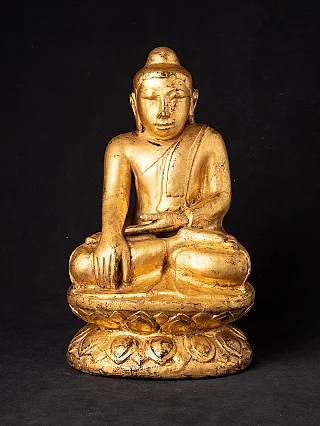
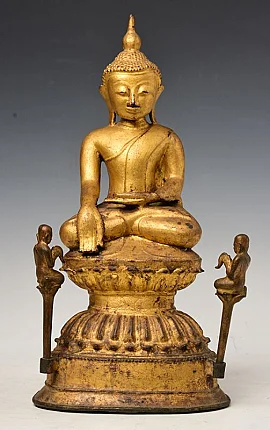
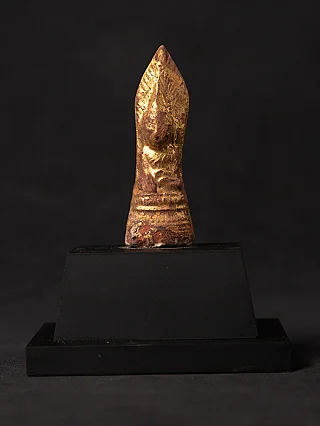
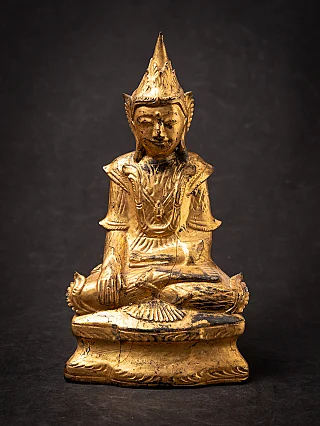
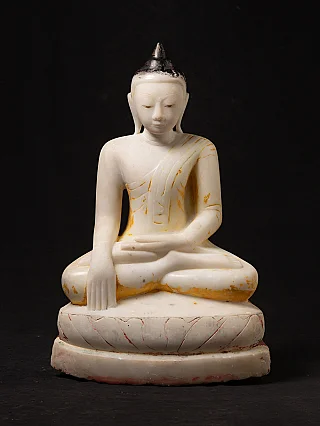

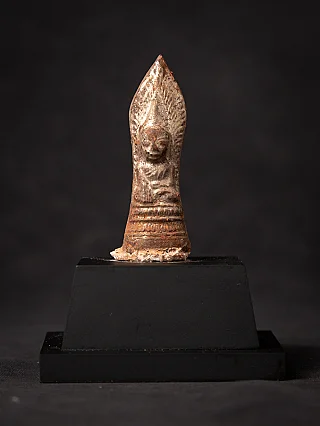
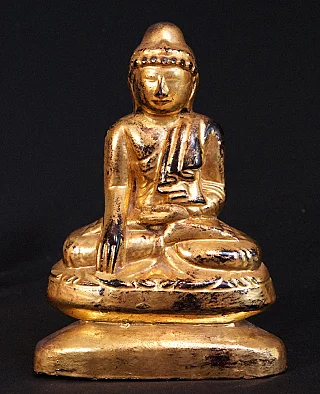
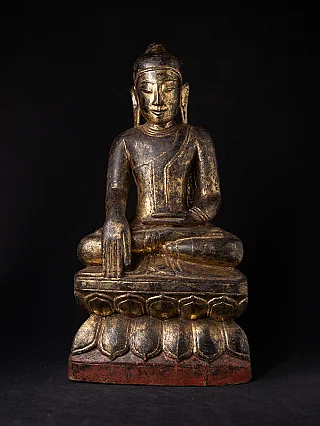
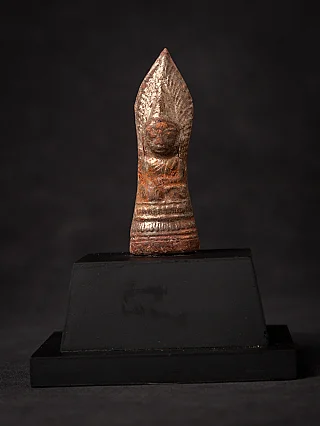
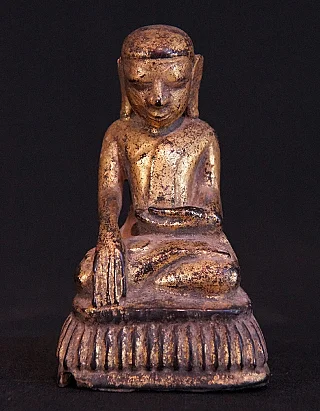

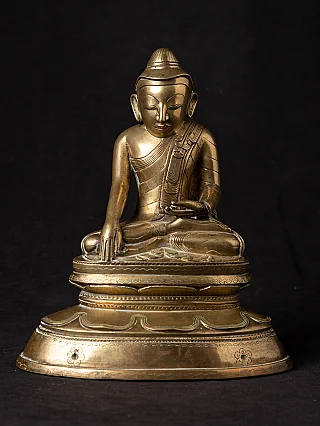
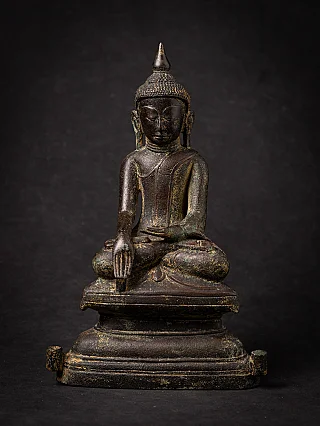
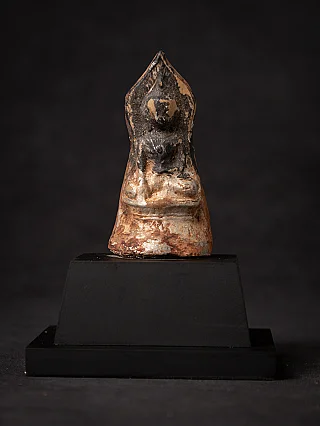
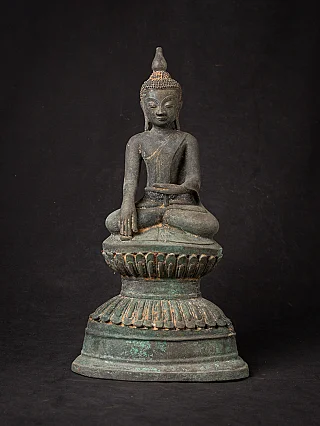
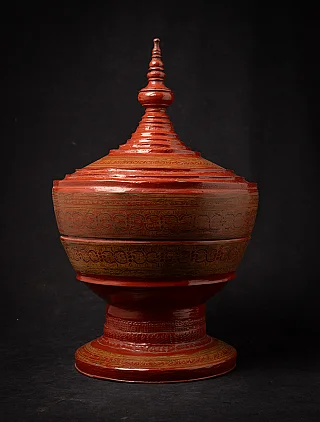
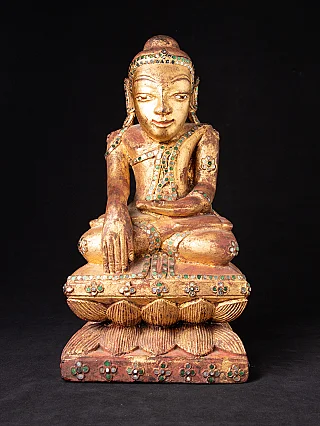
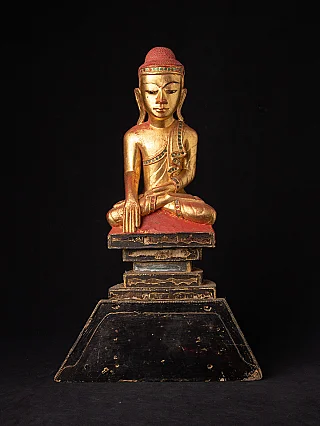

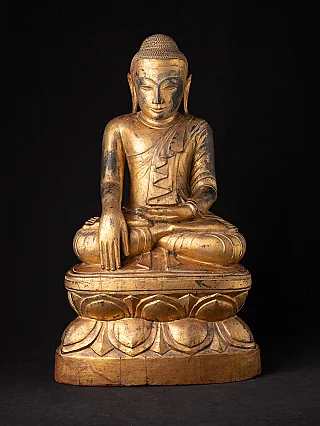
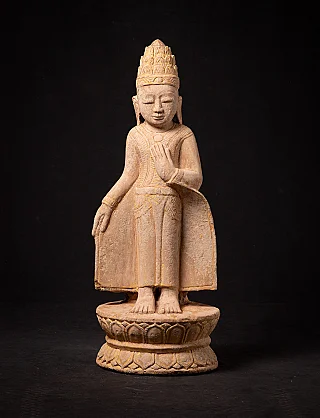
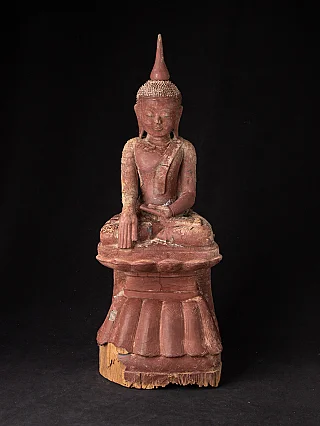
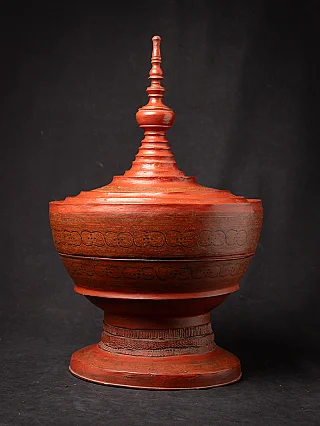
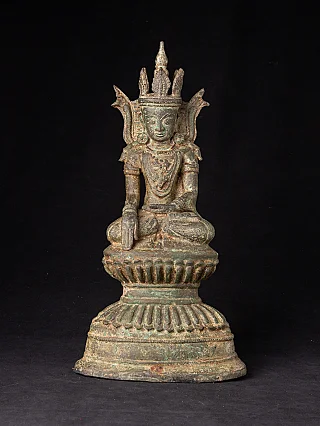

Characteristics of Shan Buddha Statues
Shan Buddha statues are typically carved from wood, cast in bronze, or finished in lacquer. Below are the materials most commonly found in statuary from this region:
- Wooden statues: the most common material, often lacquered and gilded, valued for warmth and fine carving.
- Bronze statues: cast with delicate detailing, used for both temple and household images.
- Lacquerware statues: built up in layers over a wood or bamboo core, a technique the Shan region is especially known for.
What Is the Shan Style?
The Shan style comes from the Shan (Tai Yai) region of eastern Burma, an area with close cultural and linguistic ties to Thailand and Laos through the shared Tai heritage. Buddhist art from this region developed alongside, and in dialogue with, the traditions of central Burma, absorbing regional influences while retaining a distinct identity shaped by Shan craftsmanship in wood, lacquer, and bronze.
How to Identify a Shan Buddha Statue
Shan statues are recognized by their graceful, elongated postures, serene expressions, and long, flowing robes rendered in fine detail. Many pieces are richly adorned with lacquer and gilding or inset with small pieces of colored glass or mirror, a decorative technique also associated with the later Mandalay tradition. The overall effect favors elegance and ornamentation over the plainer aesthetics of some other Burmese regional styles.
Placing and Collecting a Shan Buddha Statue
As a distinctive regional tradition of Burmese Buddhist art, Shan statues suit a wide range of settings:
- Home altar or shrine: an elegant focal point for daily devotion.
- Living room or study: the graceful, ornamented form brings warmth and character to any interior.
- Meditation space: the serene expression supports quiet reflection.
- Collections of Burmese art: a distinctive regional counterpart to Mandalay and Ava statues from central Burma.
Explore Other Buddhist Art Periods
Shan is one of several regional styles and historical periods represented in our collection, each with its own history:
- Mandalay period statues: the iconic later style with ornate, mirror-inlaid robes.
- Ava period statues: a golden era of Burmese artistry known for serene expressions and refined craftsmanship.
- Mon period statues: known for rounded, serene faces and understated ornamentation.
Frequently Asked Questions
What is the Shan style?
It refers to Buddhist art from the Shan (Tai Yai) region of eastern Burma, shaped by Tai cultural ties to Thailand and Laos alongside central Burmese influences.
What makes Shan Buddha statues distinctive?
Graceful, elongated postures, serene expressions, long flowing robes, and rich lacquer, gilding, or mirror-glass ornamentation.
What materials were used for Shan Buddha statues?
Wood is most common, often finished in lacquer, alongside bronze for both temple and household images.
How does the Shan style differ from other Burmese styles?
Shan statues favor elegant, ornamented surfaces with mirror-glass and lacquer work, a decorative approach also seen in the later Mandalay tradition of central Burma.