

Buddha statues from the Mandalay period
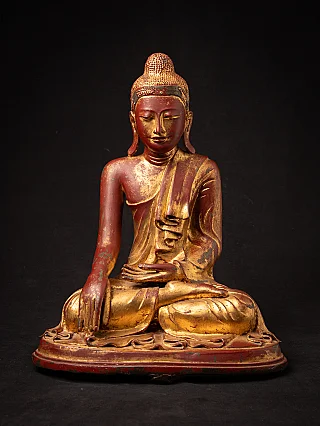
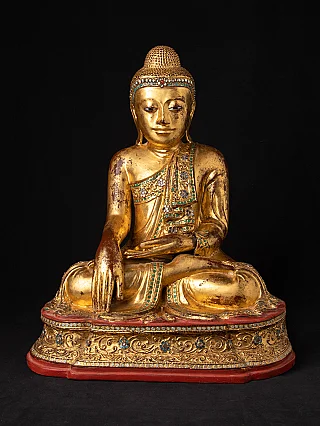
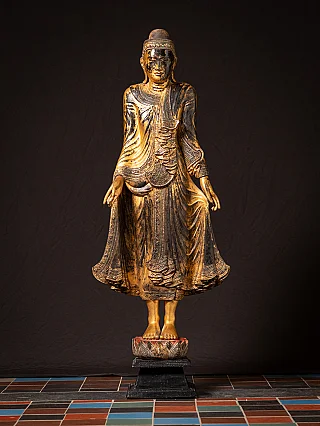
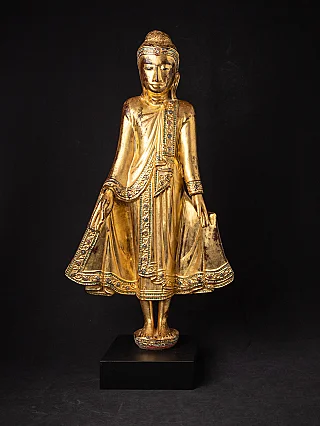
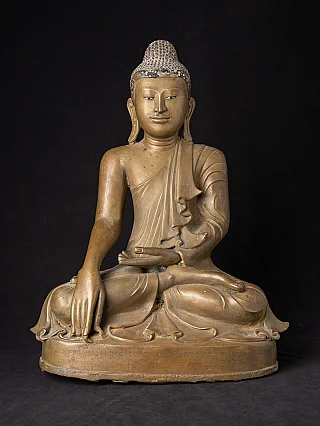
The Mandalay style is the last great classical style of Burmese Buddha statues, flourishing from the 1850s until today under the patronage of King Mindon and King Thibaw. Named after the royal capital of Mandalay, this style is defined by its serene, youthful face, ornately draped robes with beaded hems, and a soft, almost luminous finish in alabaster, marble, and gilded bronze.
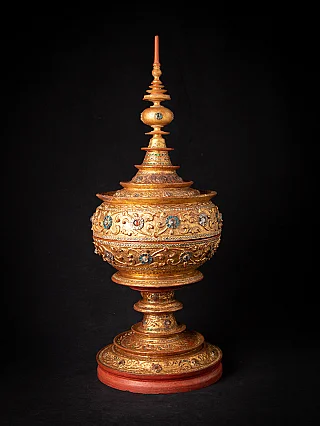
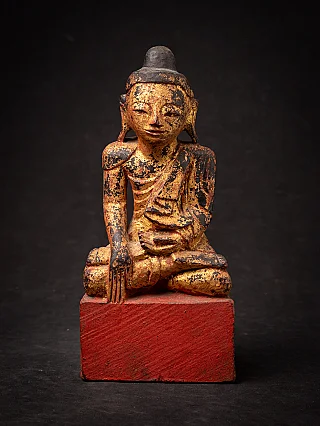
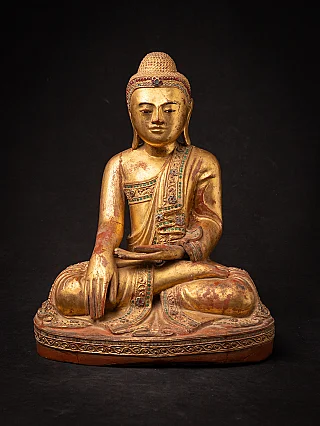
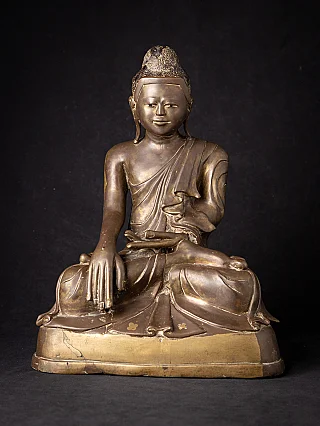
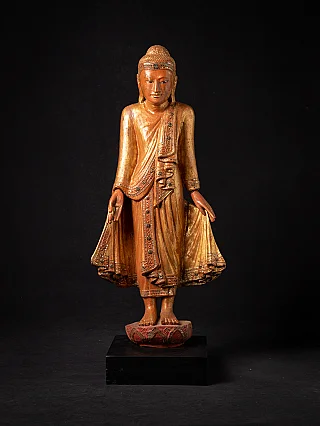
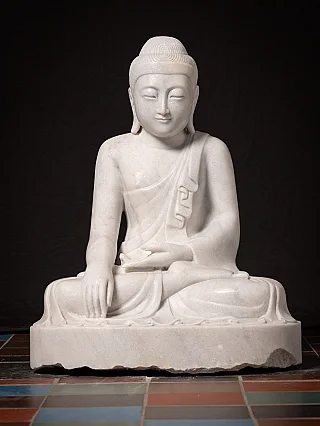
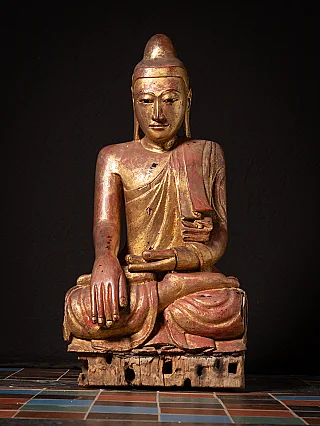
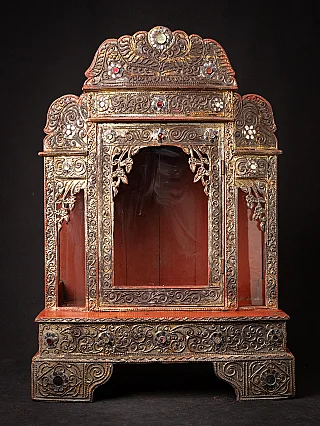

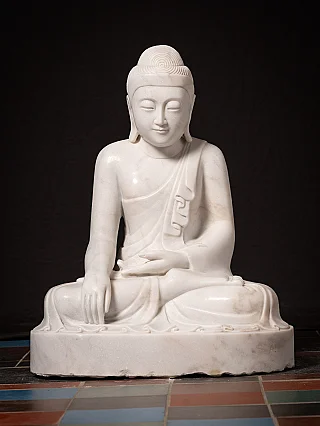
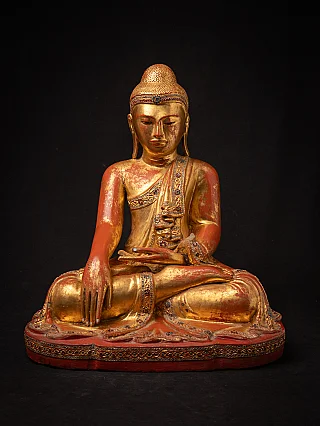
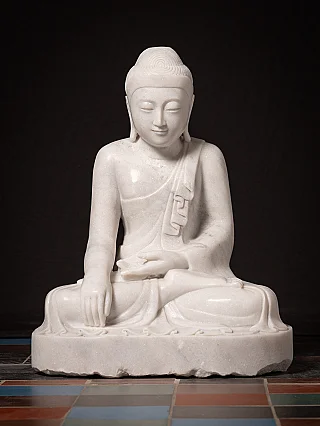

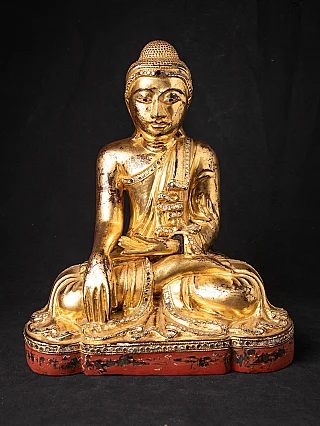
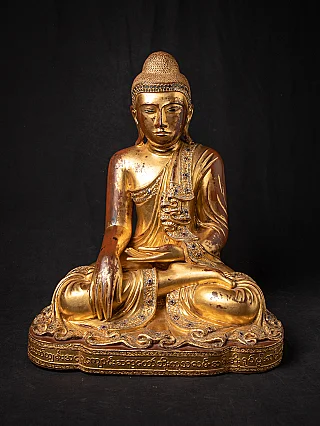

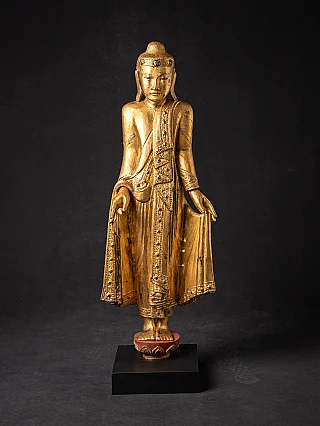
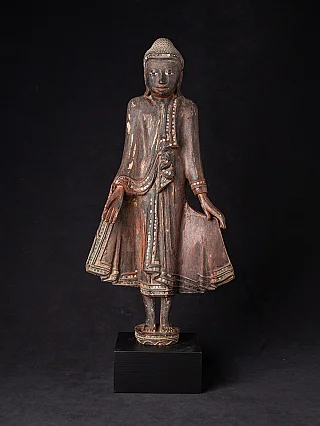
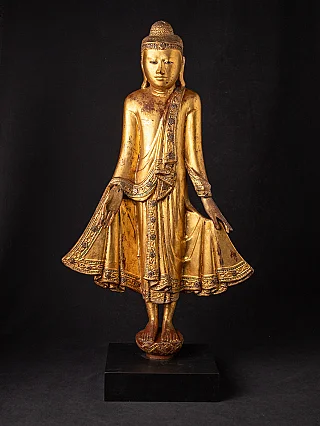
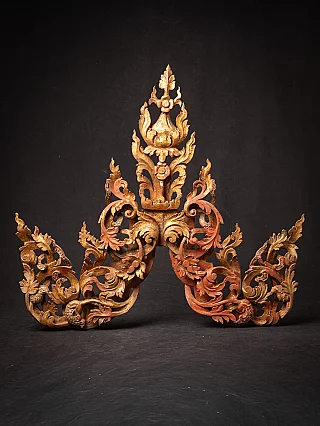
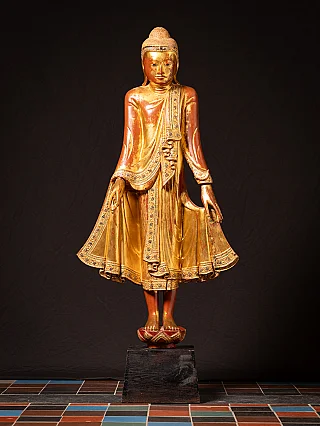
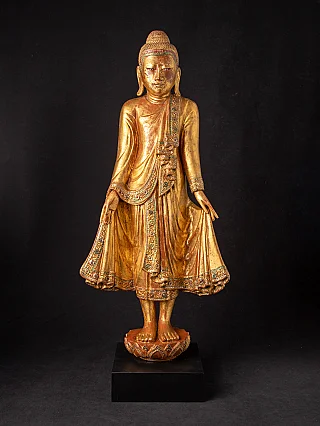
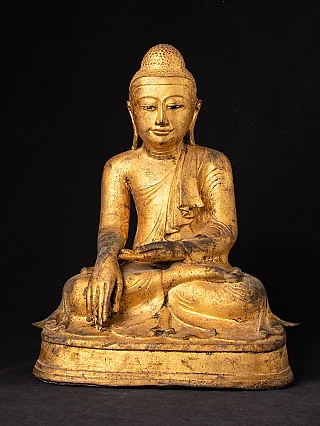
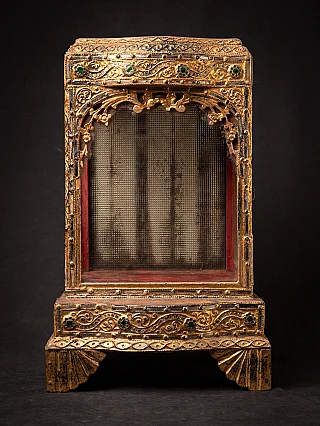
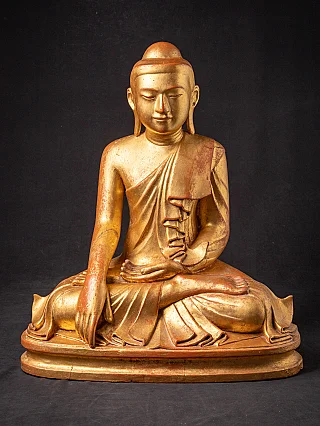
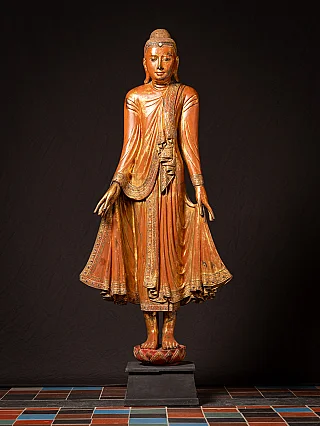
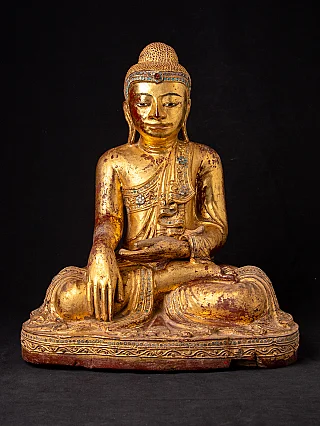
Characteristics of Mandalay Buddha Statues
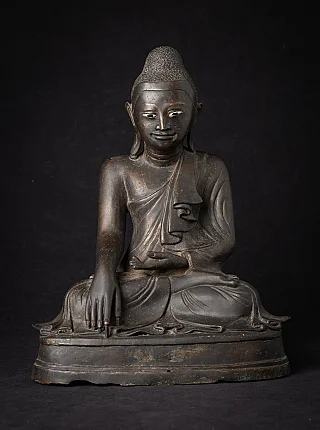
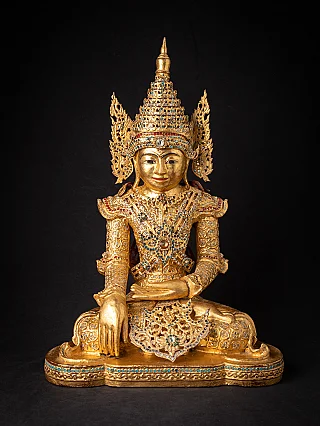
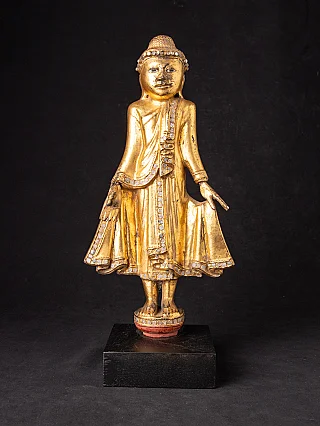
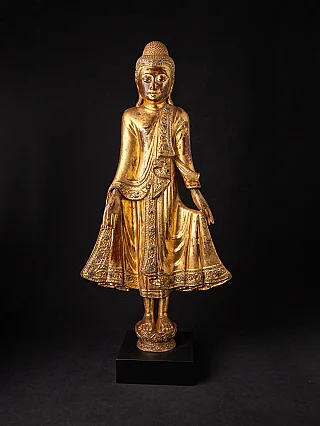
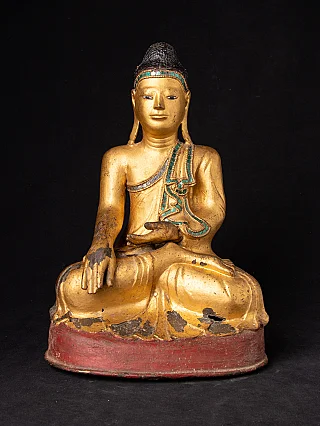
Mandalay Buddha statues are typically carved from alabaster or marble, or cast in bronze with gilding and colored glass inlay. The robe is rendered with intricate, raised beading along its folds and hem, and the face is smooth, youthful, and gently smiling, quite distinct from the sterner expressions of earlier Burmese styles.
What Is the Mandalay Style?
The Mandalay style emerged after King Mindon founded the city of Mandalay in 1857 as the new royal capital. It became, and remains, the dominant style of Burmese Buddhist art, still practiced by workshops around the Mahamuni Temple today. Its hallmark is a softer, more naturalistic aesthetic compared to the geometric formality of the preceding Amarapura period.
How to Identify a Mandalay Buddha Statue
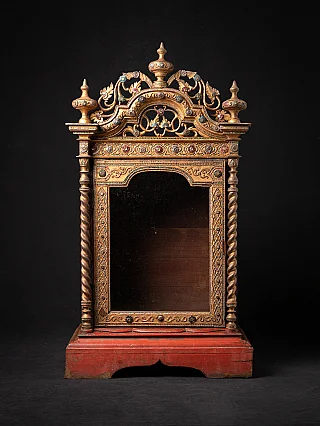
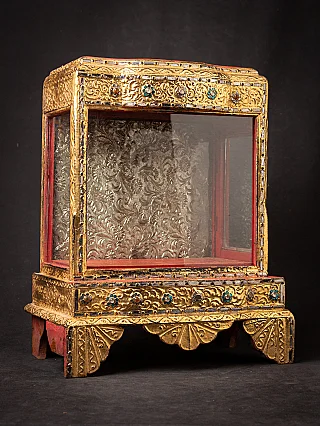
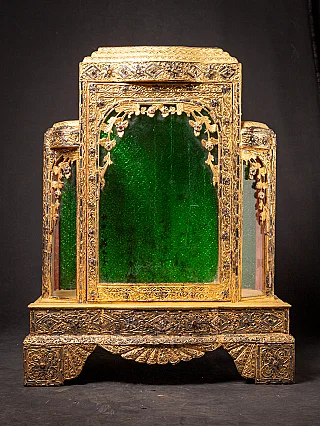
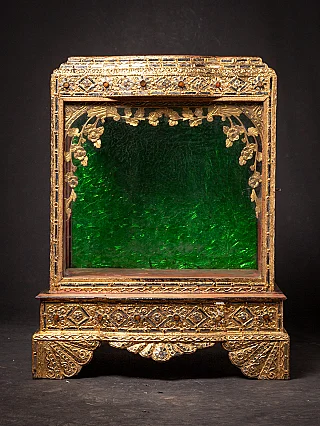
Look for a rounded, youthful face with downcast eyes and a subtle smile, a robe with finely carved or applied beaded trim (especially at the hem and over the shoulder), and a preference for white alabaster or marble left partially unpainted to show the natural stone. Bronze examples often feature colored glass mosaic inlay on the robe, a level of detail also prized on antique wooden Buddha statues from the same workshops.
Placing and Collecting a Mandalay Buddha Statue
Thanks to their gentle, approachable expression, Mandalay statues suit meditation spaces, home altars, and living areas alike. Alabaster and marble pieces pair well with neutral, minimalist interiors, while gilded bronze versions bring warmth to more traditional settings. As the most recent Burmese style still in active production, well-carved antique examples remain a relatively accessible entry point for collectors.
Explore Other Buddhist Art Periods
Continue exploring Burmese Buddhist art with the Ava style, the Shan style, or browse the full collection of Myanmar Buddha statues.
Frequently Asked Questions
When did the Mandalay style begin?
It began around 1857, when King Mindon founded Mandalay as the new royal capital, and it remains the dominant style of Burmese Buddhist art today.
What materials are used for Mandalay Buddha statues?
Alabaster, marble, and gilded bronze are the most common materials, often finished with colored glass inlay on the robe.
What makes the Mandalay style different from earlier Burmese styles?
Its softer, more youthful facial features and elaborately beaded robe trim set it apart from the stricter, more geometric forms of the Amarapura and earlier periods.
Is the Mandalay style still practiced today?
Yes, it is the living tradition of Burmese Buddha statue carving, still practiced by workshops near the Mahamuni Temple in Mandalay.