

Amarapura statues
The Amarapura period (1783 to 1857) was an era of cultural and artistic revival in Burma, named after the royal capital of Amarapura near Mandalay. Amarapura Buddha statues are known for their elongated faces, intricate robes, and symbolic postures, typically crafted from bronze or carved from wood. Our collection features antique statues from Myanmar.
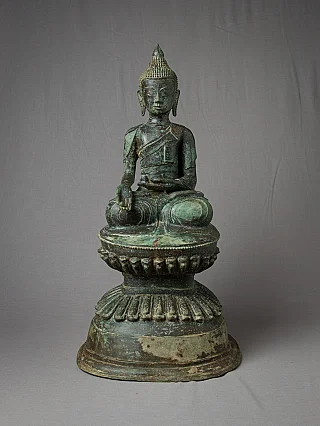
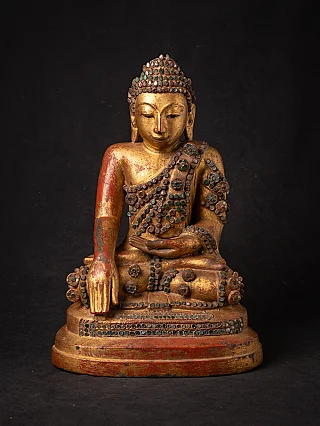
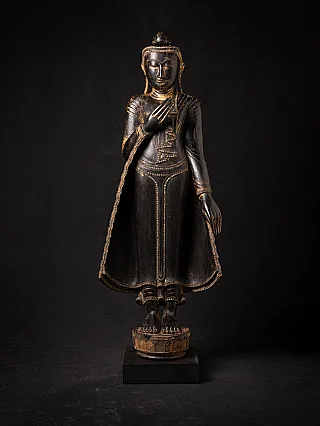
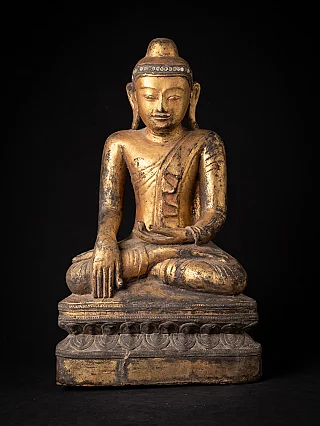


Characteristics of Amarapura Buddha Statues
Amarapura Buddha statues are typically crafted in bronze, gilded with gold, or carved from wood. Below are the materials most commonly found in statuary from this period:
- Bronze statues: often gilded with gold leaf, valued for durability and a luminous finish.
- Wooden statues: carved with intricate detailing, prized for warmth and craftsmanship.
What Is the Amarapura Period?
The Amarapura period spans 1783 to 1857, named for the royal capital of Amarapura near present-day Mandalay. It followed the Ava period and marked a deliberate revival of Burmese art and culture under royal patronage, refining earlier traditions into a more elongated, elegant style that would in turn shape the later Mandalay period.
How to Identify an Amarapura Buddha Statue
Amarapura statues are recognized by their elongated facial features, elegant postures, and intricately patterned robes with fine detailing on the hems and folds. Mudras such as the Bhumisparsha (earth-touching) and Dhyana (meditation) gestures are common, marking key moments in the Buddha's life. The overall effect is one of refined elegance, distinct from the softer roundness of earlier Ava statues.
Placing and Collecting an Amarapura Buddha Statue
As an era of artistic revival in Burmese Buddhist art, Amarapura statues suit a wide range of settings:
- Home altar or shrine: an elegant centerpiece for daily devotion.
- Living room or study: the refined, elongated silhouette adds a graceful presence to any interior.
- Meditation space: a fitting support for spiritual practice.
- Collections of Burmese art: a natural bridge between earlier Ava statues and the later Mandalay style.
Explore Other Buddhist Art Periods
Amarapura is one of several historical periods represented in our collection, each with its own regional style and history:
- Ava period statues: a golden era of Burmese artistry known for serene expressions and refined craftsmanship.
- Mandalay period statues: the iconic later style with ornate, mirror-inlaid robes.
- Bagan period statues: the classical style of Burma's first unified kingdom.
Frequently Asked Questions
What is the Amarapura period?
It spans 1783 to 1857, named for the royal capital of Amarapura near Mandalay, and marked a revival of Burmese art and culture under royal patronage.
What makes Amarapura Buddha statues distinctive?
Elongated facial features, elegant postures, and intricately patterned robes with fine detailing on the hems and folds.
What materials were used for Amarapura Buddha statues?
Bronze, often gilded with gold, and wood are the most common materials.
How does the Amarapura style differ from other Burmese periods?
Amarapura statues develop a more elongated, elegant silhouette than the earlier Ava style, setting the stage for the more ornate detailing of the later Mandalay period.