

Bagan style
The Bagan period (9th to 13th century) marks the golden age of Burmese Buddhist art, produced during the reign of the first unified Burmese kingdom centered at Bagan, a UNESCO World Heritage Site. Bagan Buddha statues are typically crafted from bronze, sandstone, or wood. Our collection features antique statues from Myanmar.
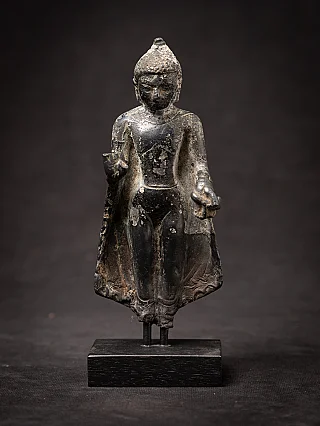

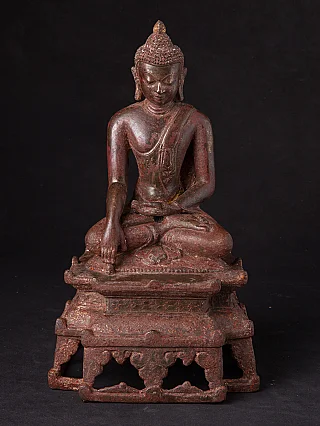
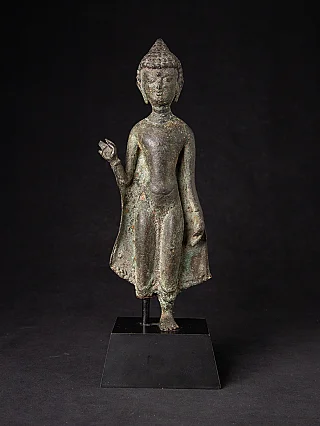
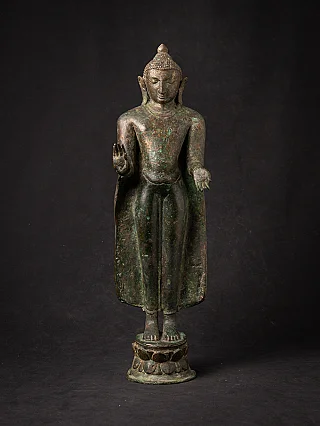
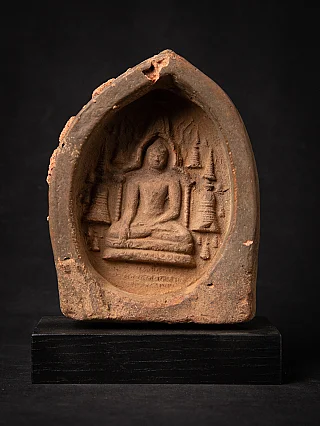
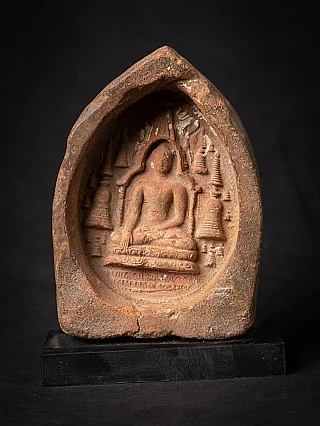


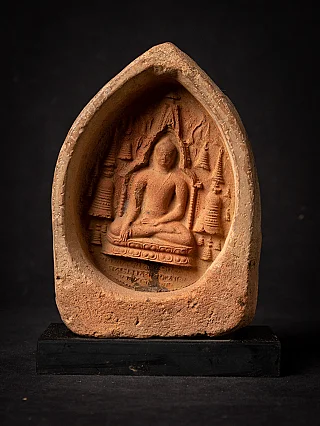
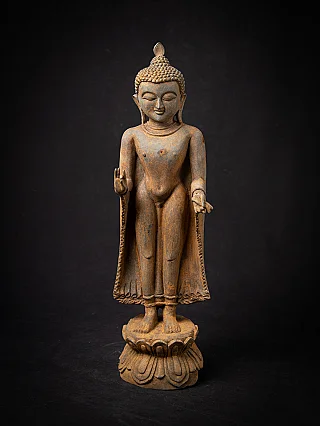
Characteristics of Bagan Buddha Statues
Bagan Buddha statues are typically crafted in bronze, sandstone, or carved from wood. Below are the materials most commonly found in statuary from this period:
- Bronze statues: cast with fine detail, often the preferred choice for temple and votive images.
- Wooden statues: carved and often gilded, used widely for both temple and household worship.
- Sandstone statues: used for larger temple images and votive tablets, many surviving from Bagan's thousands of temples.
What Is the Bagan Period?
The Bagan period spans the 9th to the 13th century, when the Bagan kingdom, the first to unify present-day Myanmar, rose to power and built more than two thousand temples across its capital, now a UNESCO World Heritage Site. Bagan absorbed and refined the earlier traditions of the Pyu and Mon, establishing Theravada Buddhism as the dominant faith and setting the artistic foundation for later Burmese kingdoms, including the Ava period.
How to Identify a Bagan Buddha Statue
Bagan statues are recognized by their serene, composed expressions, graceful proportions, and finely carved robes, often featuring the Bhumisparsha mudra (earth-touching gesture) marking the Buddha's enlightenment. Historic Bagan votive tablets, small stamped images made from clay or stone, are also widely collected and reflect the period's devotional culture. The overall style balances the plainer aesthetics of earlier Pyu and Mon art with a new refinement in facial modeling and ornamentation.
Placing and Collecting a Bagan Buddha Statue
As the classical style of Burma's first unified kingdom, Bagan statues suit a wide range of settings:
- Home altar or shrine: a historic centerpiece for daily devotion.
- Living room or study: the serene, composed expression brings quiet elegance to any interior.
- Meditation space: a fitting support for mindfulness practice.
- Collections of Burmese art: a foundational piece alongside Pyu and Ava statues, tracing the evolution of Buddhist art in Myanmar.
Explore Other Buddhist Art Periods
Bagan is one of several historical periods represented in our collection, each with its own regional style and history:
- Pyu period statues: among the earliest Buddhist art in Burma, shaped by early Indian influence.
- Ava period statues: a golden era of Burmese artistry known for serene expressions and refined craftsmanship.
- Mon period statues: known for rounded, serene faces and understated ornamentation.
Frequently Asked Questions
What is the Bagan period?
It spans the 9th to the 13th century, the era of Burma's first unified kingdom, centered at Bagan, now a UNESCO World Heritage Site with thousands of surviving temples.
What makes Bagan Buddha statues distinctive?
Serene, composed expressions, graceful proportions, finely carved robes, and frequent use of the Bhumisparsha (earth-touching) mudra.
What materials were used for Bagan Buddha statues?
Bronze, sandstone, and wood were all used, with sandstone especially common for temple images and votive tablets.
How does the Bagan style differ from earlier Burmese periods?
Bagan statues refine the plainer aesthetics of the earlier Pyu and Mon traditions into more graceful proportions and finer facial modeling.