

Opium Weights
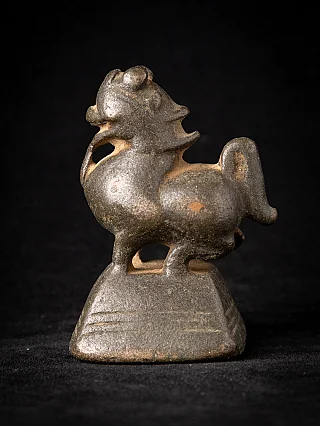
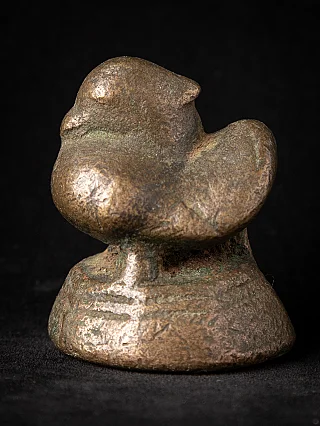
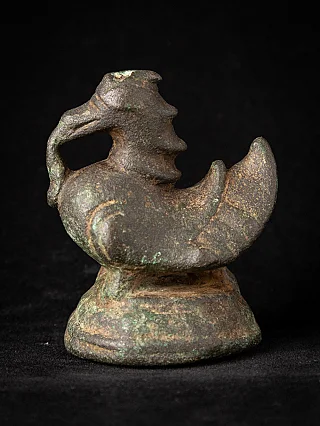
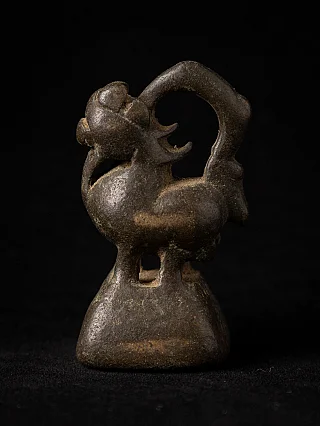
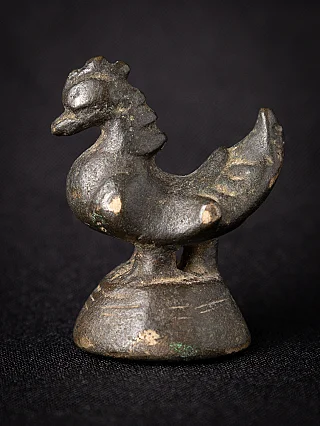
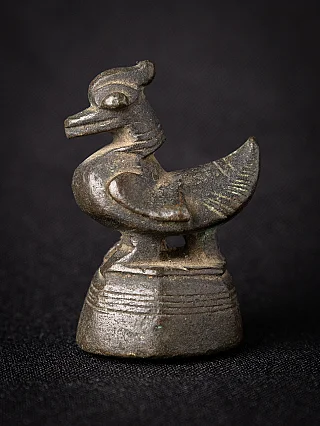
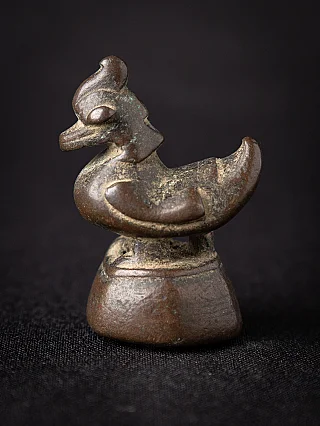
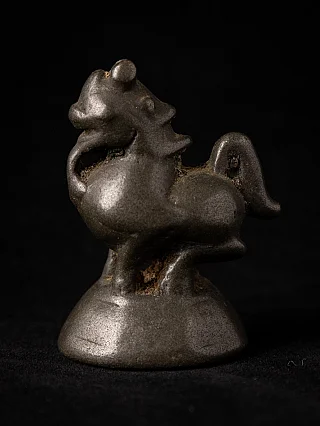
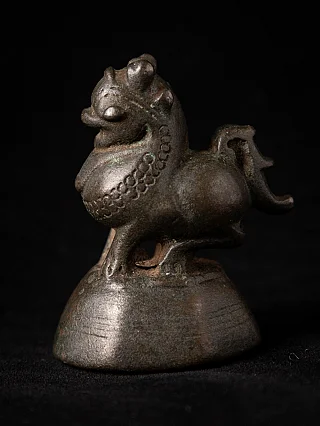
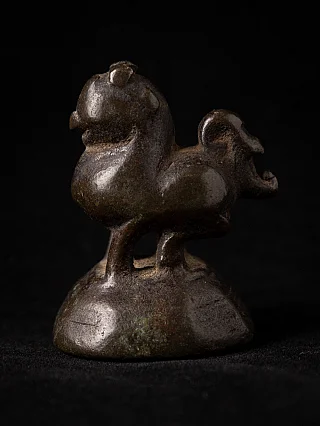
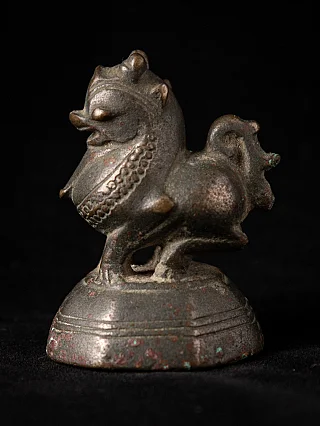
Explore our exclusive collection of antique Opium weights, sourced directly from Burma. These remarkable pieces, crafted primarily from bronze, combine utility with artistry, serving as both functional weights and exquisite decorative items. Each weight is a testament to the craftsmanship of Burmese artisans, featuring intricate designs that often depict animals and mythical creatures. Our collection showcases the cultural and historical significance of these weights, making them a perfect addition for collectors and enthusiasts alike. Add a touch of Burmese heritage to your space with these unique and timeless Opium weights, available now in our gallery.






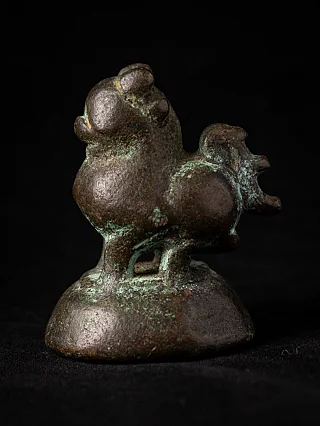
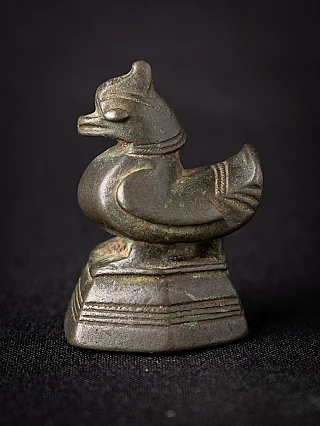
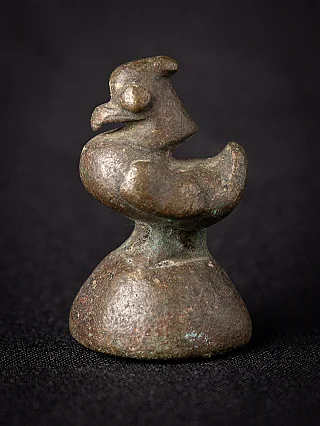

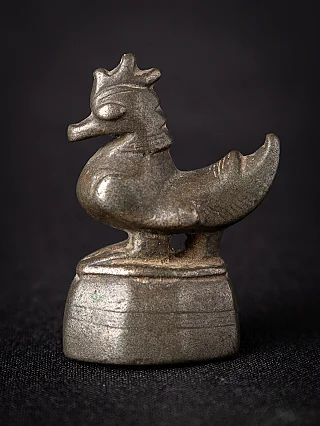
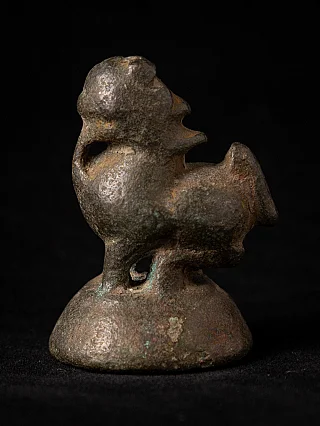
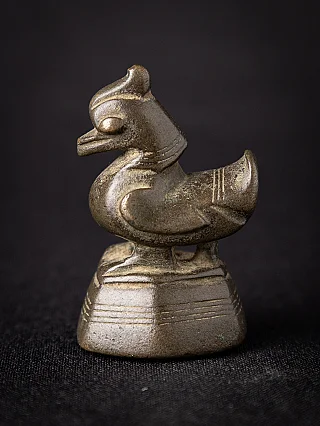
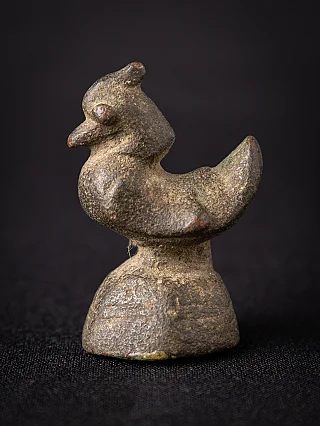
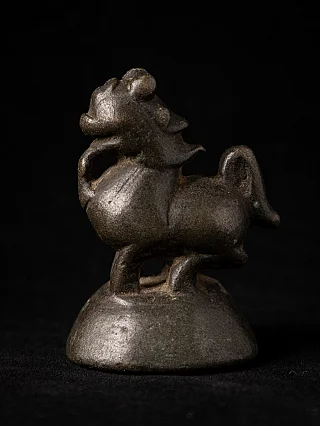

History and Origins of Opium Weights
Opium weights, known locally as doh-tin, were used across Burma (Myanmar), as well as Thailand, Laos, and parts of Southeast Asia, to measure opium and other commodities in regulated trade for several centuries, from as early as the 14th century through the early 20th century. Weights were cast in bronze using the lost-wax technique and calibrated to a standardized system, with each denomination corresponding to a specific unit of weight so that traders and officials could verify fair measure. Many weights took the form of the mythical bird hintha (a symbol of the Mon people) or other auspicious animals such as lions, elephants, and roosters, reflecting both practical function and the region's rich artistic and spiritual traditions. Today, surviving weights are prized as miniature sculptures that document the trade history and craftsmanship of old Burma.
Symbolism in Opium Weights
Each antique Opium weight carries cultural and historical significance:
- Animal Motifs: Commonly depicting creatures like lions, birds, or mythical beasts, these designs symbolize strength, prosperity, and protection.
- Geometric Shapes: Represent balance and precision, crucial for their original function in trade and commerce.
- Material: Crafted from bronze, symbolizing durability and the enduring legacy of Burmese artistry.
Placement and Usage
Opium weights are versatile pieces, suitable for various settings and purposes:
- Home Decor: Add a touch of Burmese heritage and elegance to your living space or office.
- Collections: Perfect for collectors interested in unique and historic artifacts.
- Gift Items: A thoughtful and meaningful gift for history or art enthusiasts.
Craftsmanship and Materials
Opium weights are meticulously crafted with attention to detail, showcasing traditional Burmese techniques:
- Bronze: The primary material, offering both strength and a rich, timeless aesthetic.
- Hand-Carved Designs: Intricate carvings reflect the artistry and dedication of skilled craftsmen.
- Patina: The natural aging of bronze adds character and authenticity to each piece.
Caring for Opium Weights
To preserve the beauty and authenticity of your Opium weights:
- Gentle Cleaning: Use a soft, dry cloth to remove dust and maintain their luster.
- Proper Storage: Keep them in a dry, stable environment to prevent oxidation.
- Avoid Chemicals: Refrain from using harsh cleaners that may damage the bronze surface or patina.
Why Choose Antique Opium Weights?
Opium weights are more than functional items; they are treasures of cultural heritage and artistry. Owning one offers:
- Historical Significance: A glimpse into Burma's rich trading history and traditions.
- Artistic Value: Each piece showcases unique craftsmanship and design.
- Conversation Starter: An intriguing addition to any collection or decor, sparking curiosity and appreciation.
Discover the charm and significance of antique Opium weights. Bring home a piece of Burmese culture that tells a story of artistry, history, and tradition.
Related Categories
Explore more from our antique Buddhist and Burmese art collection:
- Buddha Statues: Browse our full collection of antique Buddha statues from across Asia.
- Burma / Myanmar Buddha Statues: Discover our collection of antique Burmese Buddha statues.
- Burmese Nats: Spirit figures central to Burmese folk religion.
- Temples / Shrines: Miniature temples and altars, perfect for personal devotion or decor.
- Singing Bowls: Antique bowls used in meditation and ritual practice.
Frequently Asked Questions
Are these Opium weights genuinely antique?
Yes. Every weight in our collection is an original antique piece, sourced directly from Burma and checked for age, material, and craftsmanship before being offered for sale.
What were Opium weights used for?
They were used as calibrated units in the trade of opium and other commodities in Burma and neighboring countries, ensuring fair and standardized measurement.
Why are Opium weights shaped like animals?
Many weights were cast in the form of auspicious animals, such as the mythical hintha bird, lions, and elephants, which carried cultural and spiritual meaning beyond their practical function.
What material are Opium weights made from?
Most antique Opium weights are cast in bronze using the traditional lost-wax casting method, giving each piece a distinctive patina over time.
How old are these Opium weights?
Surviving weights typically date from the 18th to early 20th century, though the tradition of using such weights in the region stretches back further.
Do you ship Opium weights internationally?
Yes, we ship worldwide. Each antique piece is carefully packaged, and we handle the documentation required for export of cultural artifacts.