

Namaskara Mudra Buddha Statues
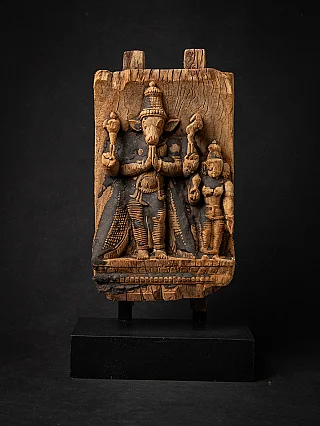
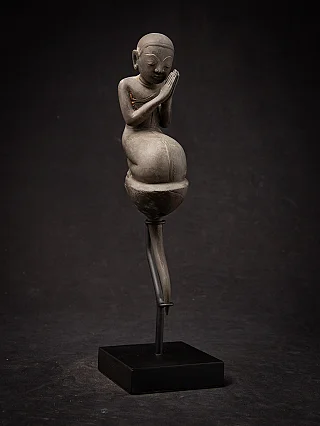
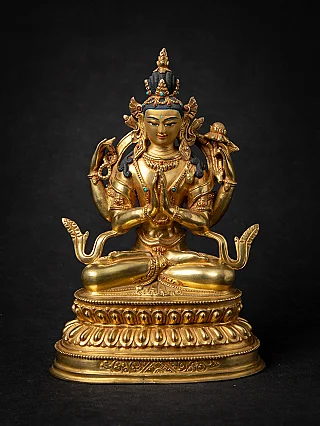
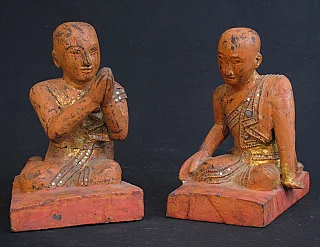
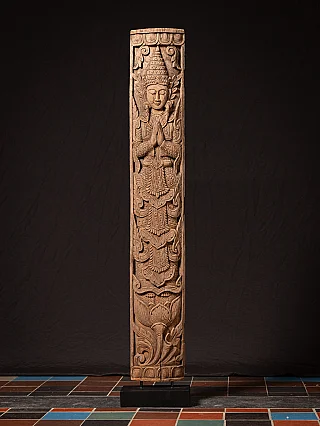
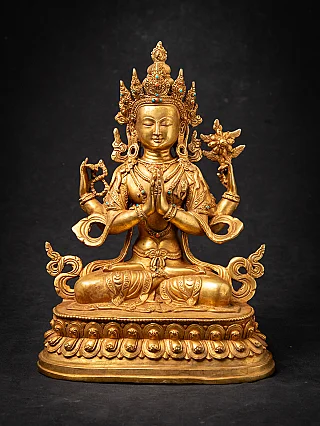
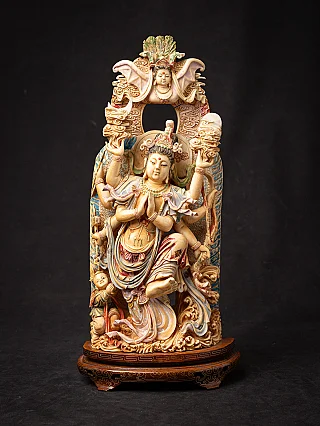
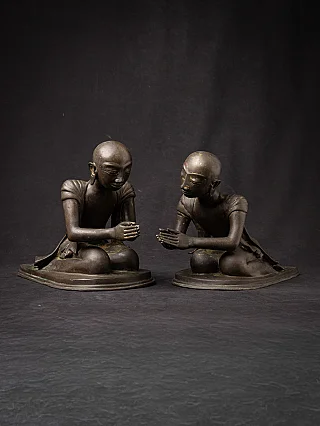
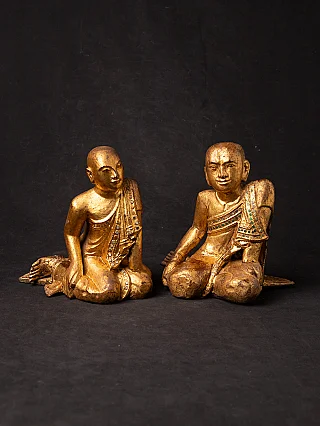
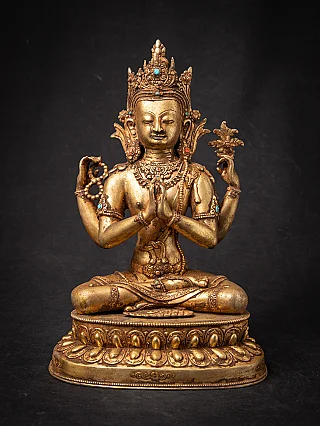
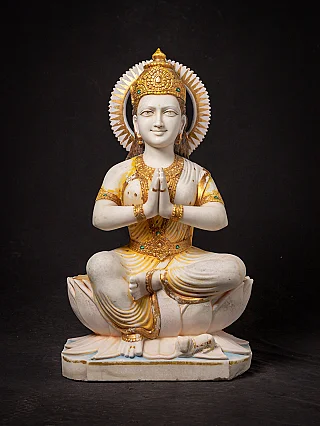
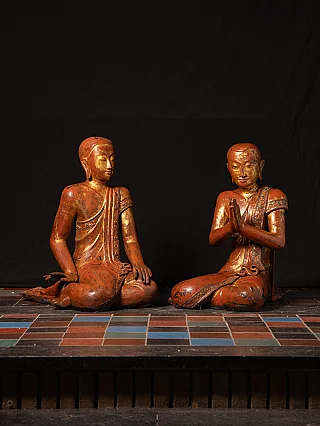
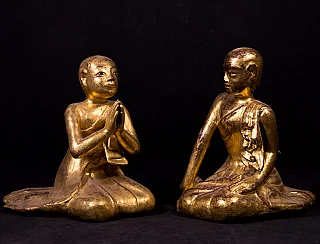
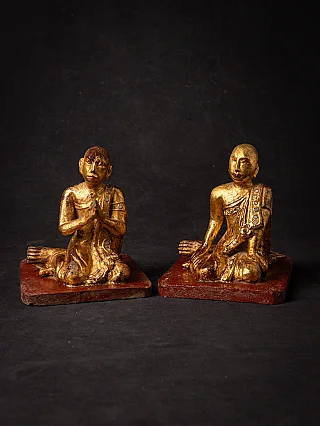
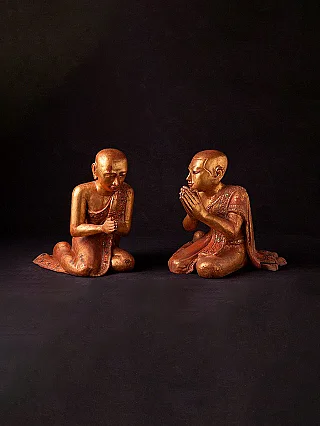
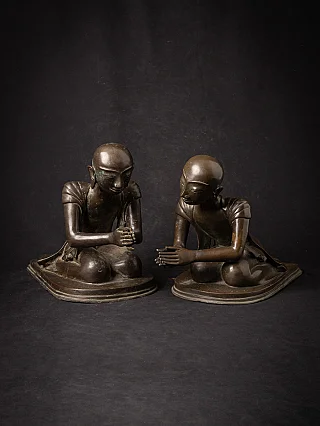
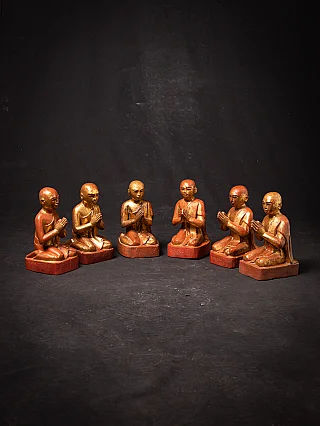
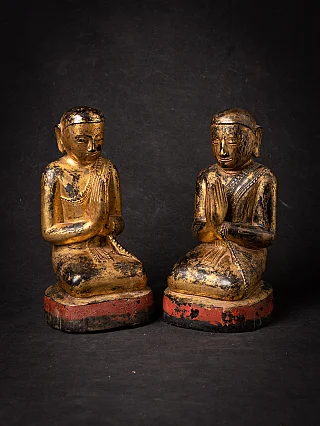
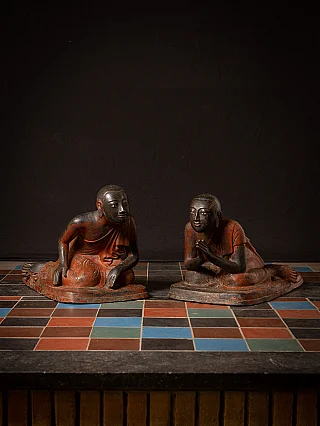
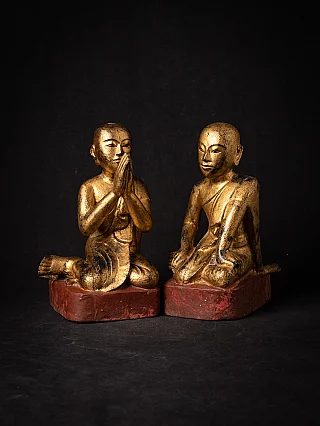
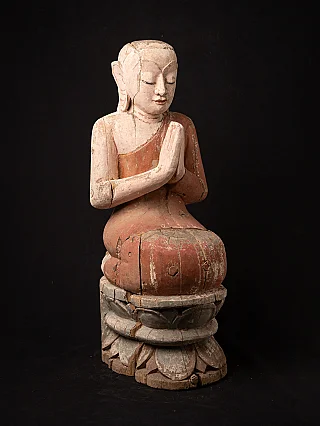
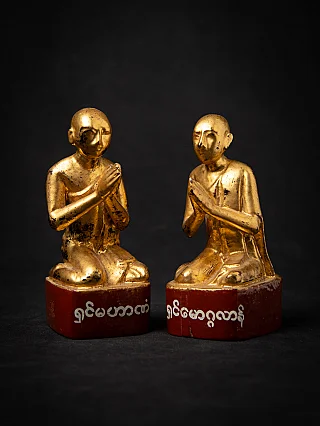
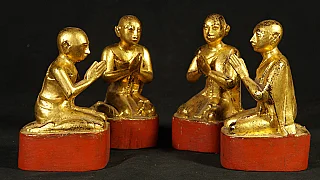
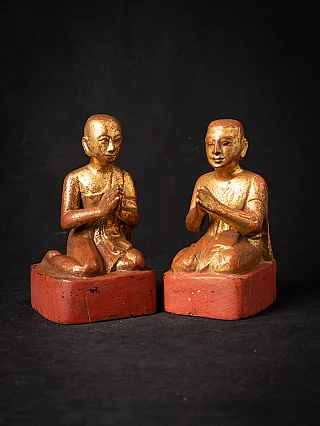
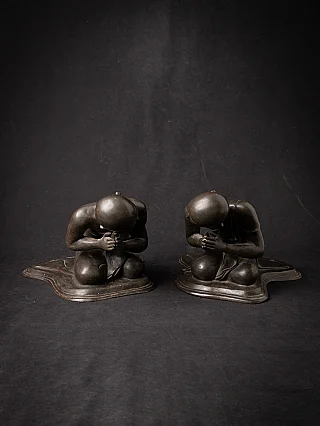
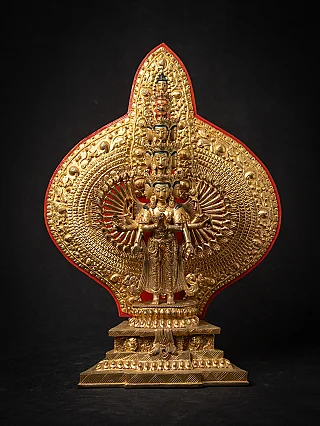
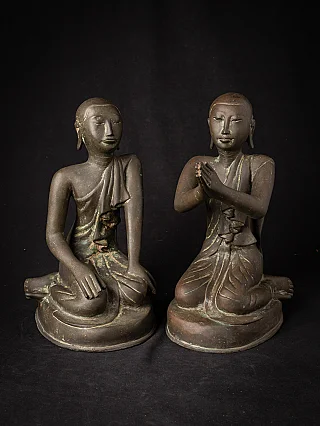
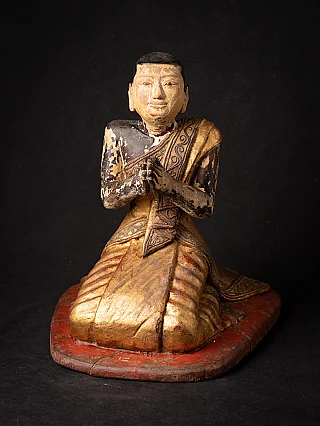
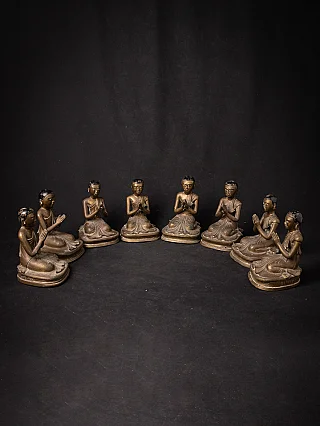
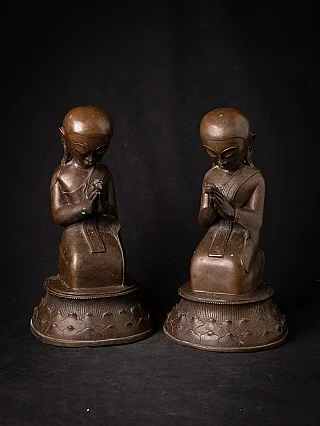
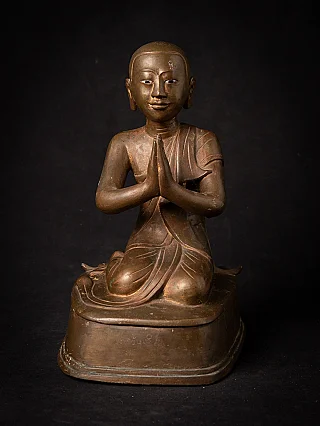
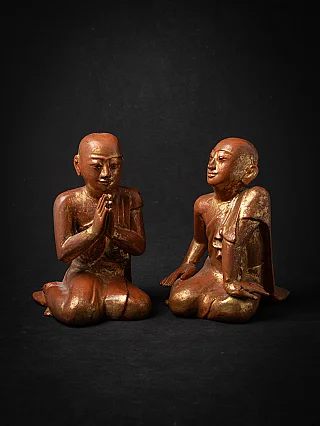
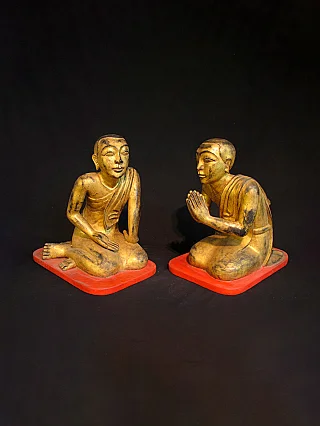
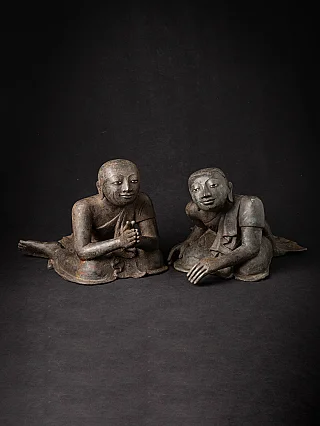
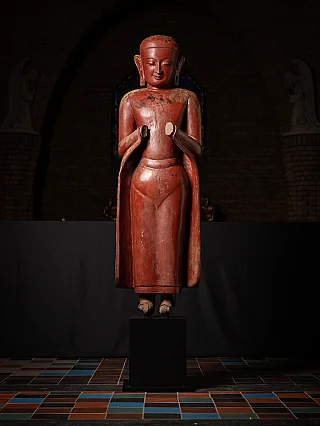
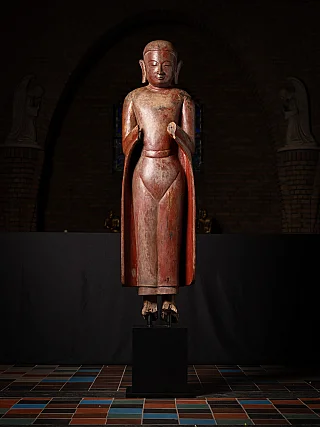
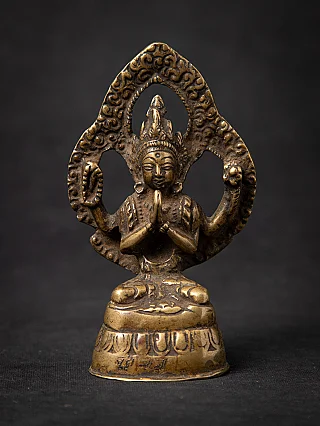
Explore our collection of Namaskara Mudra statues, representing the Buddha's gesture of greeting, respect, and devotion. The Namaskara Mudra, also known as the "Greeting Mudra" or Anjali Mudra, is depicted with both palms pressed together at the chest, fingers pointing upward. This gesture symbolizes humility, reverence, and the acknowledgment of the divine in others. These statues are crafted in various materials like wood, bronze, and stone, offering a welcoming addition to your spiritual space. With their serene expressions and the symbolic significance of the mudra, these statues invite respect, mindfulness, and peace into your home or temple.
Each piece in our collection captures the essence of the Namaskara Mudra, showcasing the Buddha's gesture of respectful greeting. These statues are crafted by skilled artisans from regions such as Nepal, Thailand, Burma, and other Buddhist cultures, reflecting both traditional artistry and spiritual meaning. They make perfect additions to your entrance, meditation space, or as part of a collection that honors the Buddha's teachings.


The Significance of Namaskara Mudra
The Namaskara Mudra, also known as the "Greeting Mudra" or Anjali Mudra, is one of the most widely recognized gestures in Buddhist and Hindu practice. It is depicted with both palms pressed together in front of the chest, fingers extended and pointing upward, thumbs typically touching near the sternum. This symmetrical posture represents the joining of two opposing energies into one, often described as the union of wisdom and compassion, or the practitioner's own nature meeting the Buddha nature present in others. Unlike mudras that mark a single historical event, Namaskara Mudra represents an ongoing disposition of humility, respect, and devotion, which is why it appears on both standing and seated Buddha statues, and why it is one of the few mudras still performed physically by practitioners today, rather than only depicted in sculpture.
Namaskara, Anjali, and Namaste
These three terms all refer to the same hand position, used in different contexts. Namaskara is the Sanskrit term most common in Buddhist and Hindu iconography, and appears in ancient Buddhist texts in association with worship, devotion, and reverence toward the Buddha, bodhisattvas, and fellow practitioners. Anjali Mudra describes the identical gesture and is the term more often used in yoga and wellness settings. Namaste is the spoken greeting traditionally accompanied by the gesture across Nepal, India, Sri Lanka, Burma, Thailand, and much of South and Southeast Asia. A statue described under any of these three names depicts the same hand position. The gesture's symmetry is itself part of its meaning: the two palms meeting at the heart center represent the union of mind and body, and the balance between the left and right hemispheres, a visual reminder of wholeness and inner harmony. For the full explanation of related hand positions, see our guide to Buddhist mudras.
Origins and Spiritual Meaning
The gesture of pressing the palms together predates Buddhism itself and is rooted in ancient South Asian traditions of greeting and reverence. Within Buddhism, Namaskara Mudra came to symbolize the recognition of the Buddha nature inherent in every being: by bringing the hands together at the chest, the practitioner acknowledges that the person or image before them, and by extension their own inner nature, holds the same potential for awakening. In Hindu tradition, the gesture carries a closely related meaning, often interpreted as the meeting of the individual soul (jiva) with the universal consciousness. This shared spiritual vocabulary is part of why the gesture crosses so easily between religious and cultural contexts without losing its core meaning of humility and recognition.
Craftsmanship and Cultural Origins
Nepal: Namaskara Mudra appears frequently in Nepalese devotional bronze, often on standing figures placed at entrances or thresholds, where the gesture's connotation of respectful greeting is put to direct architectural use. Nepalese artisans, working within the Newar bronze-casting tradition of the Kathmandu Valley, often combine the mudra with fine surface gilding and inlaid stones, reflecting the broader fusion of Hindu and Buddhist artistic influence found throughout the region.
Thailand and Burma: In Southeast Asian Buddhist art, this mudra is more commonly seen on smaller devotional and monk figures than on large temple Buddhas, where Bhumisparsha and Abhaya dominate, and is closely associated with disciples, attendants, and figures depicting the Buddha's early ascetic period, before his enlightenment. Burmese wood carvers in particular are known for rendering the joined palms with delicate, almost lifelike finger detail.
Tibet and the Himalayas: In Tibetan Buddhist art, the gesture is sometimes incorporated into more elaborate compositions, paired with other ritual implements or combined with additional symbolic hand positions in multi-armed depictions of bodhisattvas.
Materials
Our collection showcases Namaskara Mudra statues crafted in a variety of premium materials, each with its own charm and spiritual significance.
Bronze: Common across Nepal and Southeast Asia, bronze statues capture the fine detail of the pressed palms and extended fingers, and are typically produced using the traditional lost-wax casting method, allowing for crisp definition at the fingertips and thumbs where the two hands meet.
Wood: Burmese wood carving renders the gesture with particular delicacy at the fingers, showcasing traditional craftsmanship passed down through generations of temple carvers.
Stone: Less common than bronze or wood in this mudra, owing to the difficulty of carving two raised, separated hands from a single stone block without a structural weak point at the wrists. When stone examples do appear, they are often prized precisely because of this added technical difficulty.
Placement and Meaning
Because the gesture signifies greeting and respect rather than protection or teaching, Namaskara Mudra statues are traditionally placed at entrances, thresholds, and reception areas, anywhere a welcoming, respectful presence is wanted. Many households and temples position a Namaskara Mudra figure so that it is the first image seen upon entering a space, setting a tone of humility and reverence for what follows. In a meditation room, the gesture serves as a quiet reminder to approach practice with an open, respectful mind rather than expectation or ego.
Each Namaskara Mudra statue in our collection is a reminder of humility, reverence, and the recognition of the divine in every encounter, making it a meaningful centerpiece for any home, temple, or meditation space.
Discover the profound beauty and spiritual depth of Namaskara Mudra statues today.