

India statues and Hindu Gods
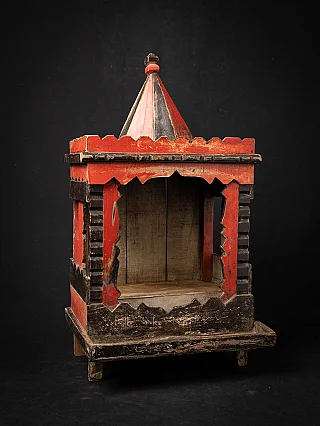
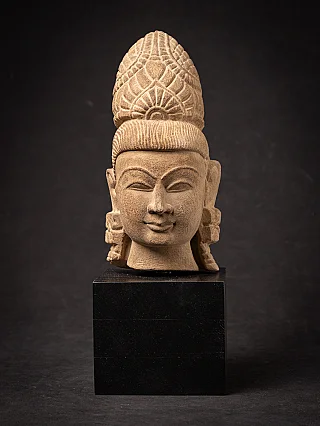
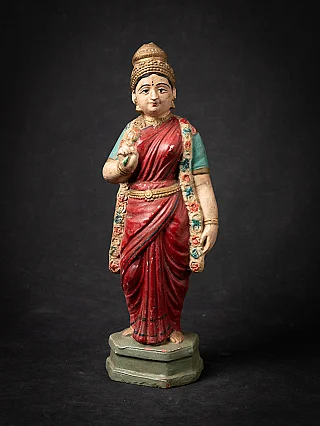
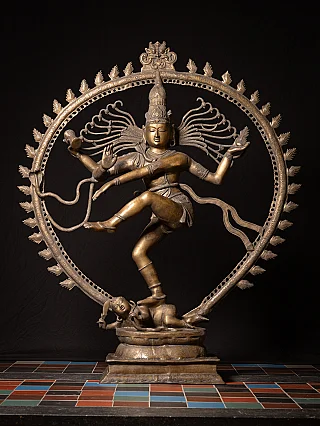
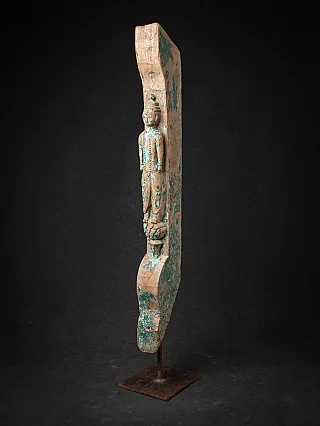
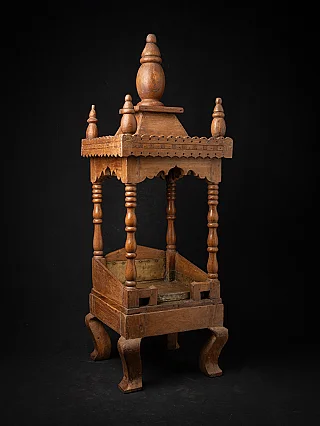
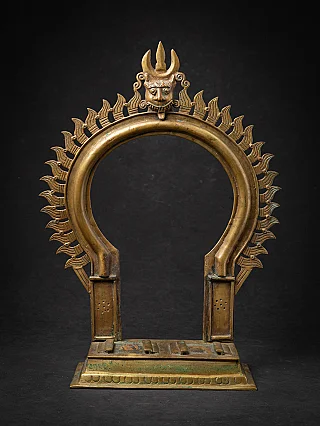
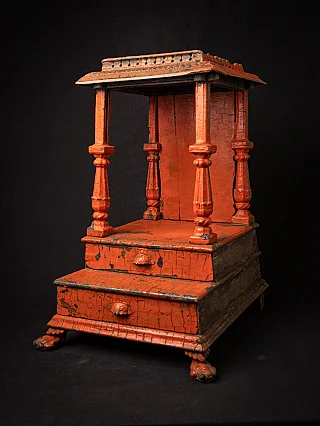
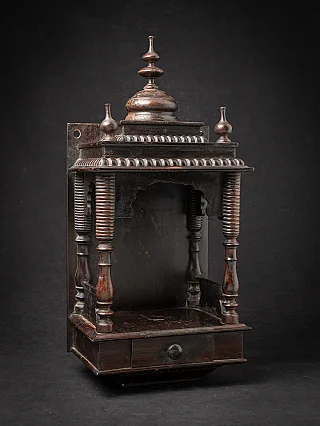
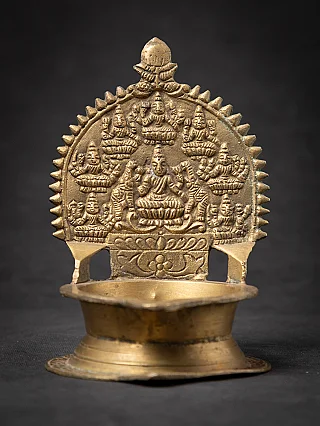
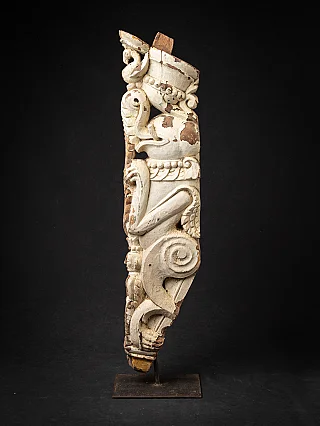
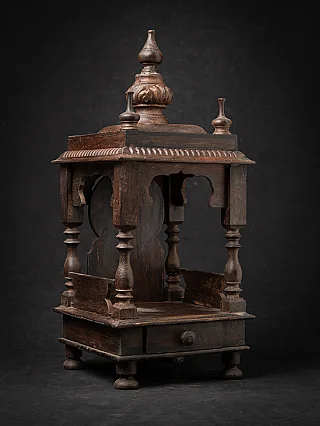
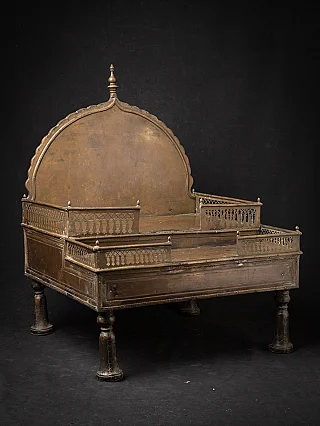
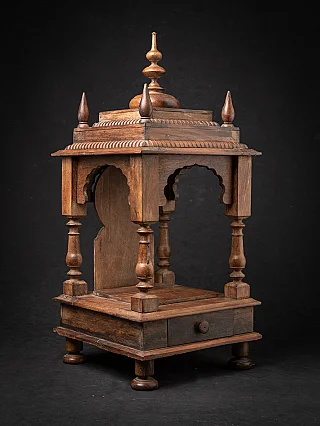
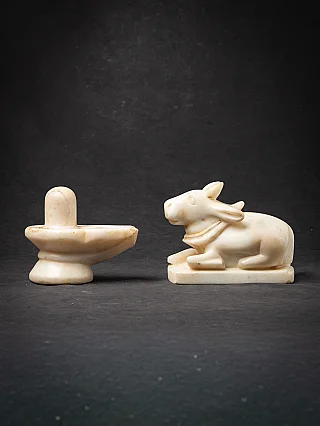
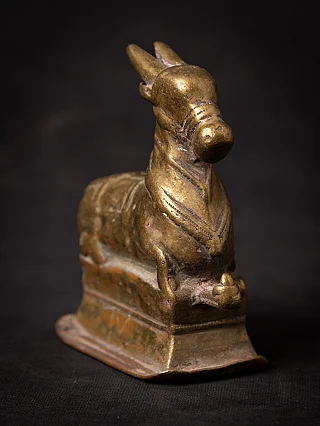
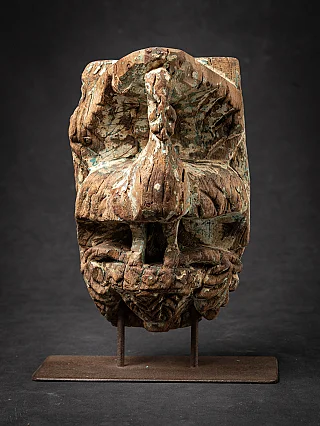
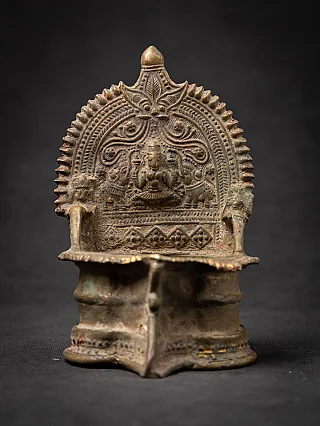
India is where the Buddha lived, taught, and reached enlightenment, making the country the historical starting point of Buddhist art as well as home to one of the world's richest Hindu sculptural traditions. Our India collection ranges from hand-carved Hindu god statues such as Shiva and Ganesha to antique temple carvings and standing Buddha statues in stone, bronze, and wood.
Each piece reflects centuries of devotional craftsmanship from across the subcontinent. Whether you're drawn to early Buddhist iconography or the vivid imagery of Krishna and other Hindu deities, our collection offers an authentic window into India's dual religious heritage.
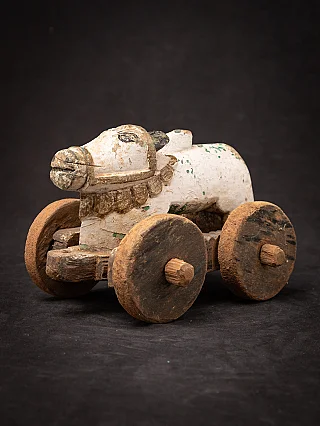
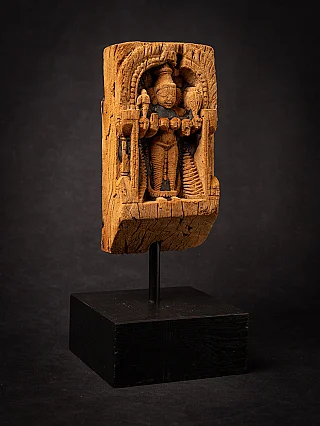
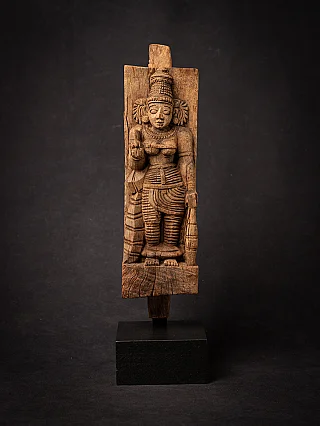
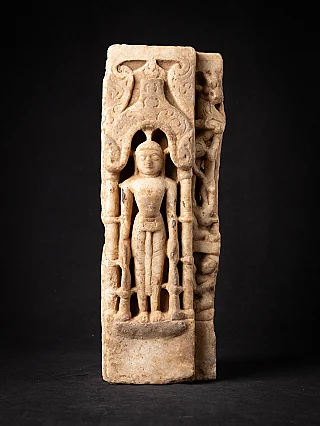
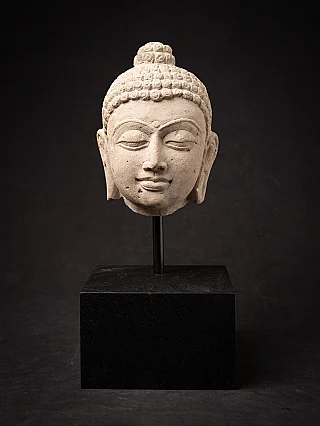
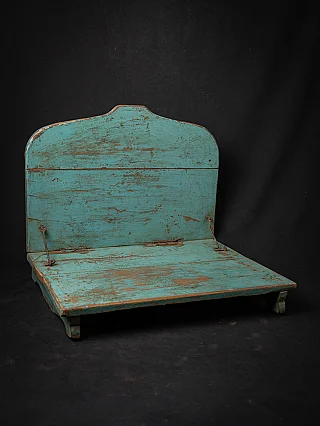
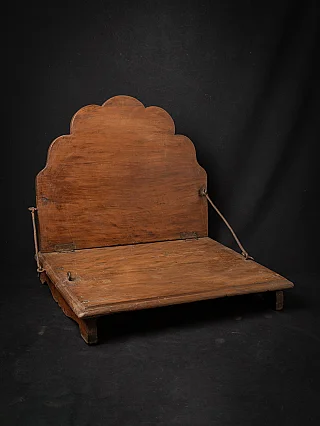
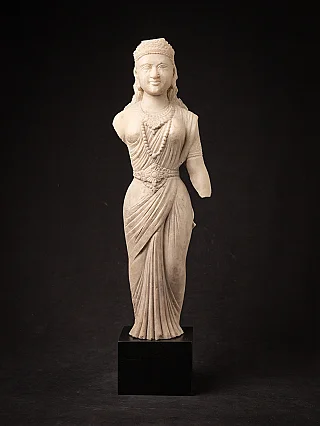
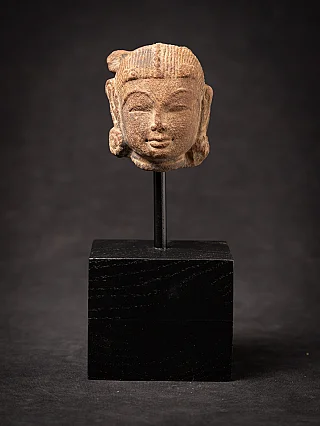
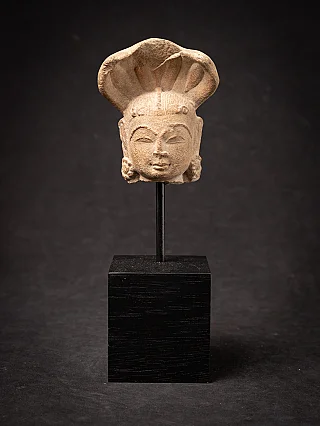
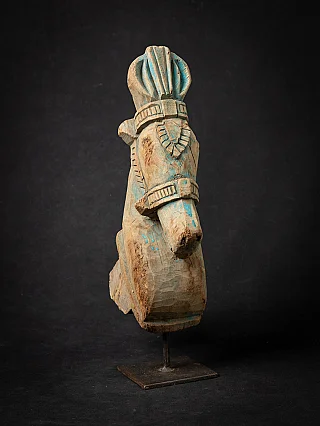
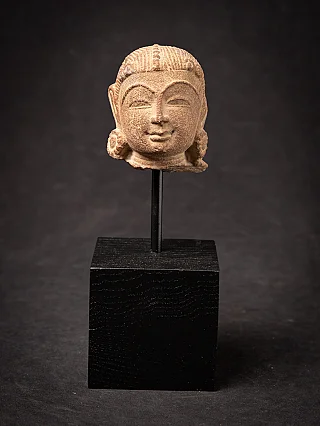
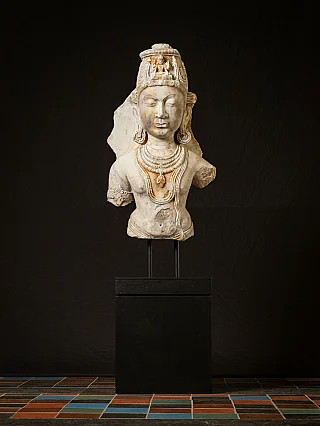
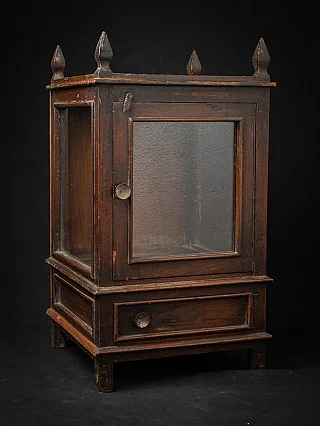
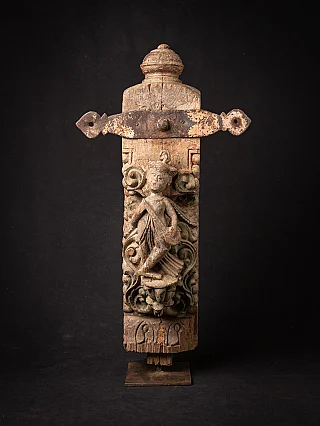
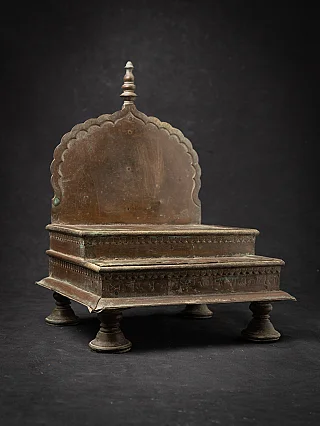
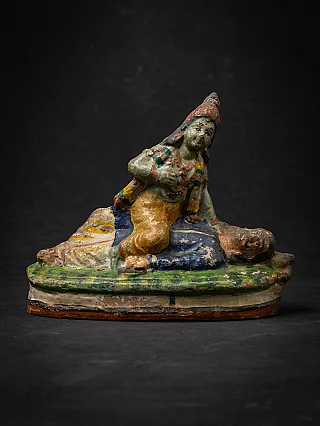
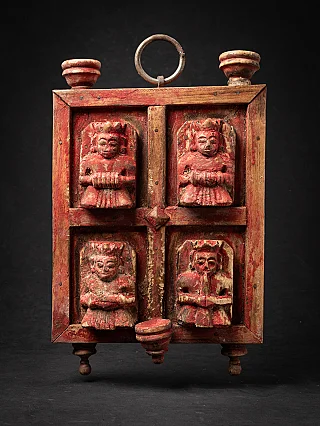
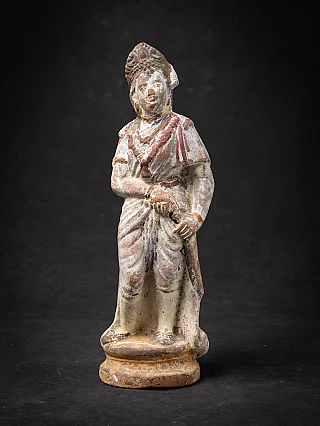
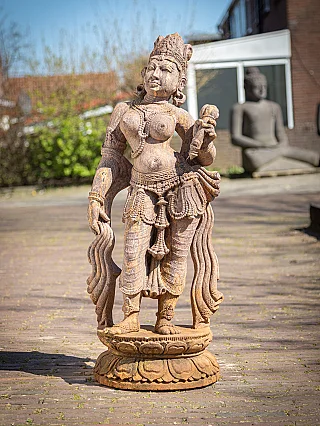
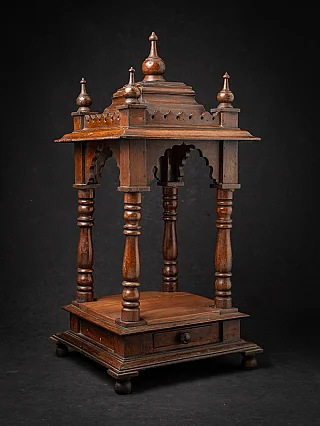
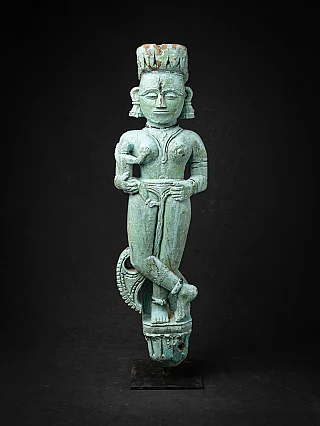
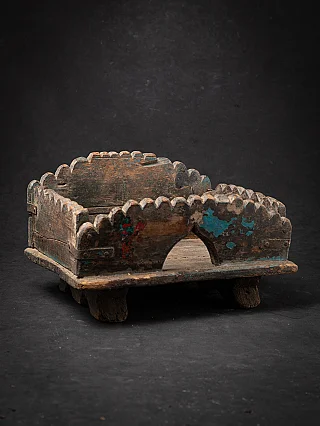
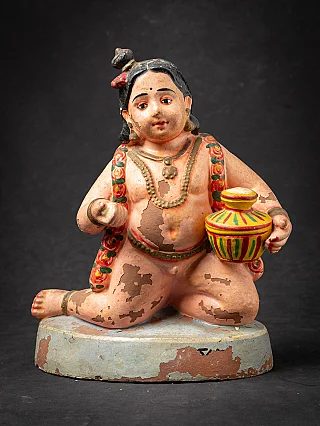

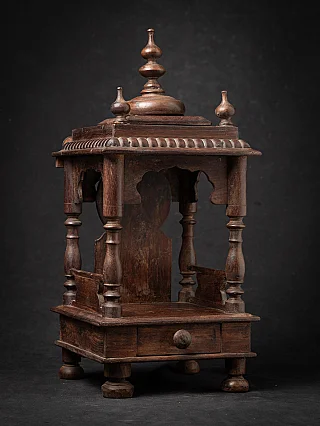
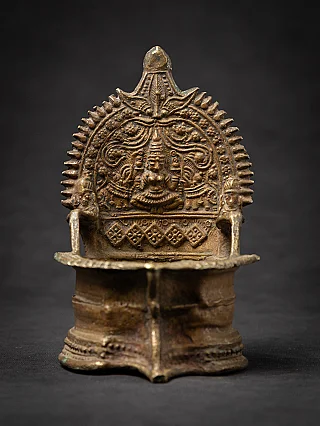
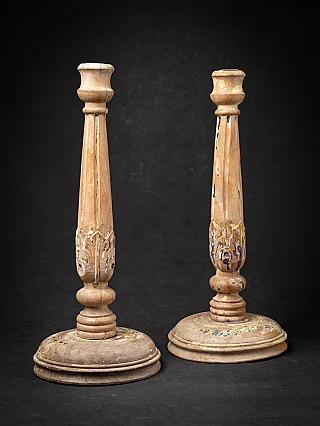
India: Where Buddhism Began and Hindu Sacred Art Flourished
India holds a unique place in Buddhist history: it is where Siddhartha Gautama lived, taught, and attained enlightenment under the Bodhi tree at Bodh Gaya around the 5th century BCE. From there, Buddhism spread across the subcontinent and beyond under rulers such as Emperor Ashoka, who erected pillars, stupas, and rock-cut monasteries from Sanchi to the cave temples of Ajanta and Ellora. Yet by the medieval period, Buddhism had largely receded in the land of its birth, gradually absorbed into a resurgent Hindu tradition. As a result, genuinely antique Buddhist statues from India are historically significant and comparatively rare, which is why our collection also draws deeply on India's parallel and equally ancient tradition of Hindu devotional sculpture.
The Gandhara Influence: India's First Buddha Images
For several centuries after the Buddha's death, Indian artists avoided depicting him directly, representing his presence instead through symbols such as an empty throne, a wheel, or a footprint. It was only around the 1st century CE, in the Gandhara region of northwest India, that sculptors began carving the Buddha in human form, drawing on Hellenistic techniques introduced after Alexander's campaigns. This Greco-Buddhist style, alongside the parallel Mathura school further east, effectively created the template for the Buddha image still used across Asia today.
Stone, Bronze, Wood, and Terracotta: Materials of Indian Sacred Art
Regional materials shaped India's sculptural styles over the centuries. Northern and central India are known for sandstone and marble temple carving, often built directly into rock-cut shrines, while South India developed the lost-wax bronze casting associated with the Chola dynasty, a technique still practiced by artisans today. Sandalwood and teak carving flourished in Kerala and Rajasthan, producing the wooden altarpieces and temple panels found throughout our collection, while terracotta work remains common in rural Bengal and other regions with a strong village temple tradition.
Mudras and Symbolism Rooted in Indian History
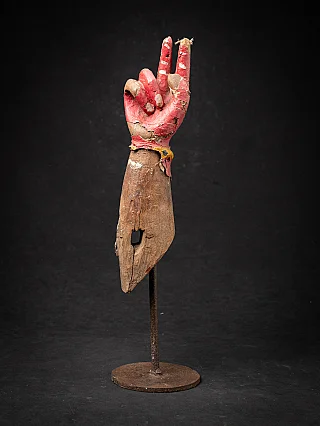
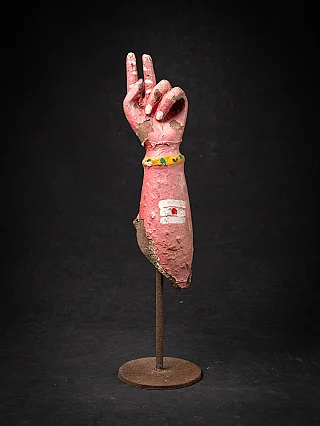
Because Buddhism originated in India, its most iconic hand gestures trace directly to specific events on Indian soil. The Bhumisparsha mudra recalls the Buddha touching the earth at Bodh Gaya to witness his enlightenment, the Dharmachakra mudra represents his first sermon at Sarnath, near Varanasi, and the Abhaya mudra symbolizes the protection and fearlessness he offered his followers throughout his teaching life.
India's Dual Heritage: Buddhist Origins and Hindu Sacred Art
Today, most antique religious sculpture leaving India reflects its living Hindu tradition rather than its Buddhist past. Our collection includes Shiva statues, representing destruction, meditation, and transformation, Ganesha statues, the elephant-headed remover of obstacles invoked before new beginnings, and Krishna statues, celebrated for his teachings in the Bhagavad Gita as well as his playful youth in Hindu mythology. Displayed together, these pieces show how closely Buddhist and Hindu visual traditions have always been intertwined across India's long religious history.
India Compared with the Buddhist Traditions It Inspired
As Buddhism spread outward from India along trade and pilgrimage routes, it took on new regional character in Nepal, Tibet, and Thailand, each adapting Indian iconography to local materials, aesthetics, and belief. Nepali and Tibetan artisans, for instance, layered Vajrayana symbolism onto Indian mudras and postures, while Thai sculptors softened Indian proportions into their own graceful national style. Comparing statues from these regions alongside our Indian pieces highlights just how far the Buddha's original teachings and image travelled from their source, and how much of what we now consider "classic" Buddhist iconography began on Indian soil.
Frequently Asked Questions
Are these Indian statues genuinely antique?
Yes. Every piece in our India collection is an original antique, personally inspected and authenticated for age, material, and craftsmanship before it is listed. We do not sell modern reproductions.
Why do you sell both Hindu and Buddhist statues from India?
Buddhism was born in India but was gradually absorbed into Hinduism by the medieval period, so most surviving antique religious sculpture from the region is Hindu. We offer both traditions to reflect India's genuine, intertwined religious history.
What materials are Indian statues made from?
Depending on the region, Indian statues are carved from sandstone, marble, or teak and sandalwood, cast in bronze using the lost-wax method, or shaped from terracotta.
Why do Indian mudras appear in Buddha statues from other countries too?
Because Buddhism spread from India across Asia, the hand gestures first used to depict the Buddha's life in India, such as Bhumisparsha and Dharmachakra, were adopted and adapted by sculptors in Nepal, Tibet, Thailand, and beyond.
How should I care for an antique stone, wood, or bronze statue?
Keep wooden statues away from direct sunlight and heating vents to prevent cracking, dust stone and bronze pieces gently with a soft, dry cloth, and avoid household cleaning products, which can damage original patina or pigment.
Do you ship Indian statues internationally?
Yes, we ship worldwide. Each antique is carefully packed, and we handle the export documentation required for shipping cultural items abroad.