

Laughing Buddhas | Happy Buddhas
Our collection of Laughing Buddha statues radiates positivity, happiness, and prosperity. Often depicted with a joyful, wide smile, these statues symbolize good fortune, abundance, and the carefree nature of life. Known for their ability to bring peace and contentment, Laughing Buddha statues are perfect for home decor, meditation spaces, or as meaningful gifts. Embrace the wisdom and light-heartedness of the Laughing Buddha, and invite a sense of joy and harmony into your life.
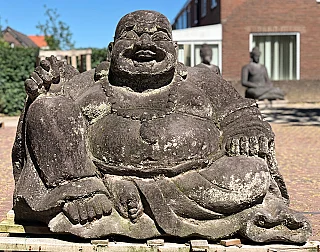
Laughing Buddhas: Symbols of Joy, Prosperity, and Abundance
Laughing Buddha statues, often seen with a large, joyful smile and a rounded belly, are among the most popular and beloved figures in both Buddhist and Asian cultures. These statues represent the embodiment of happiness, wealth, and spiritual contentment. The Laughing Buddha, also known as Budai or Hotei, serves as a reminder to embrace life with joy, generosity, and gratitude, and is considered to bring good luck and prosperity to those who welcome his cheerful energy.
Origins
- China: The Laughing Buddha, often associated with the Chinese folklore figure Budai, is celebrated in Chinese culture for bringing happiness, good luck, and wealth. Represented with a large belly and a cheerful expression, this statue embodies the spirit of contentment and abundance, encouraging people to live with joy and generosity.
- Japan: In Japan, the Laughing Buddha is often referred to as the "Hotei" and is considered one of the Seven Lucky Gods. The statues symbolize the virtues of contentment, simplicity, and the joy of life. Japanese versions often feature the Hotei carrying a cloth bag filled with treasures, emphasizing prosperity and blessings.
- Southeast Asia: Southeast Asian Laughing Buddha statues are common in both Buddhist and local traditions. These statues, crafted with precision, are revered for their ability to bring fortune, health, and a joyful spirit. They serve as a reminder of the importance of happiness in spiritual practice.
Materials
- Bronze: Bronze Laughing Buddha statues are known for their durable and timeless beauty. The material’s ability to capture intricate details and the smooth texture reflects the cheerful and abundant nature of the Laughing Buddha, making it an excellent choice for long-lasting decor.
- Wood: Wooden Laughing Buddha statues bring a natural warmth and organic beauty to any space. Carved with care, these statues evoke a sense of peace, simplicity, and joy, fitting perfectly in homes, gardens, or meditation areas.
- Resin: Resin Laughing Buddha statues offer a lightweight and versatile option. These statues can be molded with fine detail and are often painted in vibrant colors, capturing the playful essence of the Laughing Buddha while offering an affordable choice for collectors and decorators.
The Significance of Laughing Buddha Statues
Laughing Buddha statues are not just decorative pieces, but also powerful symbols of happiness, good fortune, and spiritual wisdom. Each statue represents:
- Happiness: The bright smile and joyful demeanor of the Laughing Buddha are meant to bring happiness to your home or space, encouraging a positive and carefree outlook on life.
- Abundance: The Laughing Buddha is often linked to prosperity, and its presence is believed to attract wealth and good fortune to those who embrace its cheerful spirit.
- Generosity: Traditionally, the Laughing Buddha carries a bag filled with treasures, representing generosity and the giving nature of the enlightened being.
By incorporating a Laughing Buddha statue into your space, you invite the energy of joy, peace, and prosperity, creating an environment that fosters contentment and well-being.
Related Categories
Explore more from our antique Buddhist and Asian art collection:
- Buddha Statues: Browse our full collection of antique Buddha statues from across Asia.
- China Buddha Statues: Discover our collection of antique Chinese Buddhist art.
- Japan Buddha Statues: Explore antique Japanese Buddhist statues and artifacts.
- Guan Yin Statues: Statues of the beloved bodhisattva of compassion.
- Hindu God Statues: Statues of Hindu deities reflecting Asia's shared artistic heritage.
Frequently Asked Questions
Is the Laughing Buddha the same as the historical Buddha?
No. The Laughing Buddha, also known as Budai or Hotei, is a separate folkloric figure from Chinese Buddhist tradition, distinct from Siddhartha Gautama, the historical Buddha.
What does the Laughing Buddha symbolize?
He symbolizes happiness, contentment, abundance, and generosity, and is widely believed to bring good luck and prosperity to those who display his image.
Why does the Laughing Buddha carry a bag?
The bag represents the gathering and sharing of wealth and treasures, symbolizing generosity and the giving nature associated with the figure.
What materials are Laughing Buddha statues made from?
Common materials include bronze, wood, and resin, each offering a different aesthetic and level of detail while preserving the figure's cheerful character.
Where do your Laughing Buddha statues come from?
Our Laughing Buddha statues are sourced from China, Japan, and Southeast Asia, regions with long traditions of crafting this beloved figure.
Do you ship Laughing Buddha statues internationally?
Yes, we ship worldwide. Each piece is carefully packaged, and we handle the documentation required for export where applicable.