

Varada Mudra Buddha Statue
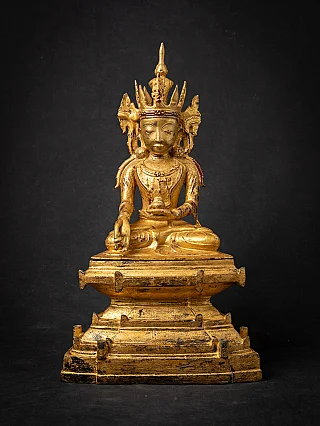
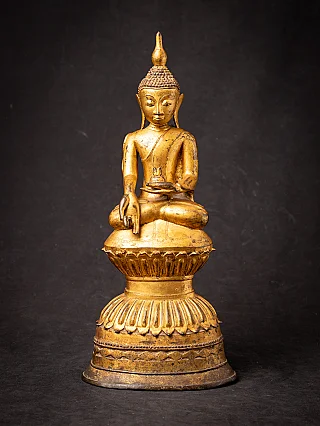
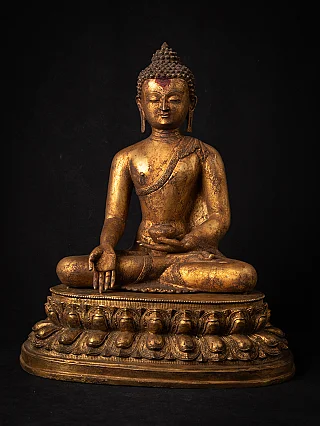
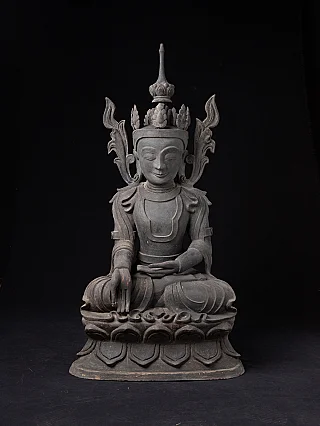
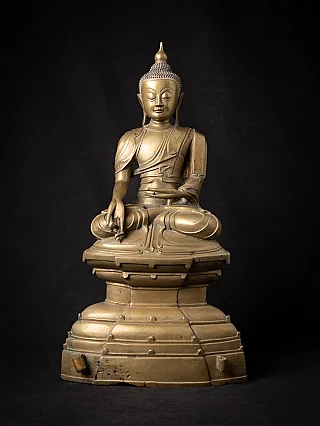
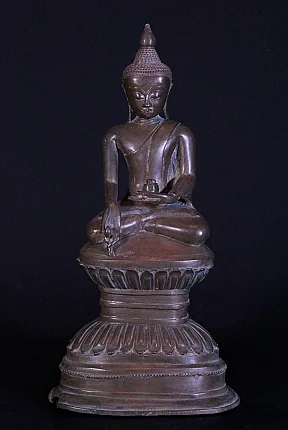
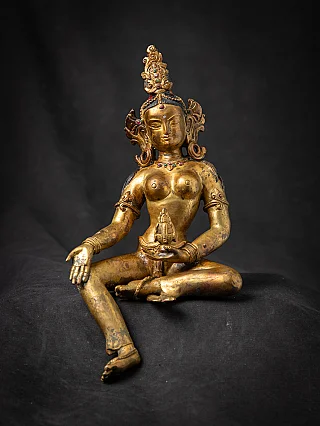
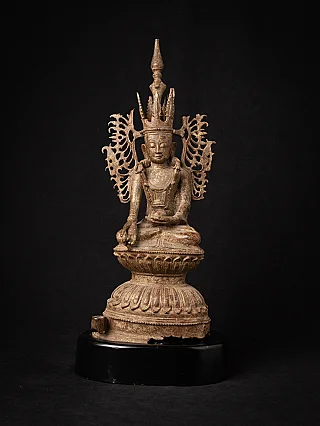
The Varada Mudra, or "boon-granting gesture," expresses the Buddha's compassion and willingness to give. Formed by extending the left hand downward with the palm facing outward, it symbolizes charity, generosity, and the fulfillment of wishes. It is often paired with Abhaya Mudra on the right hand. Our collection features antique bronze and stone statues from Nepal, Thailand, and Burma.
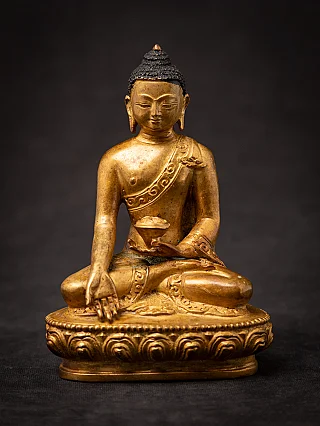
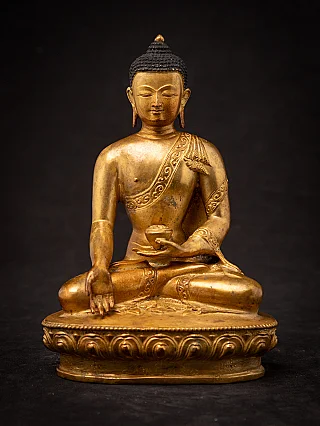
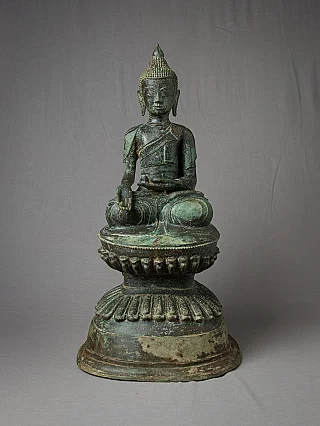
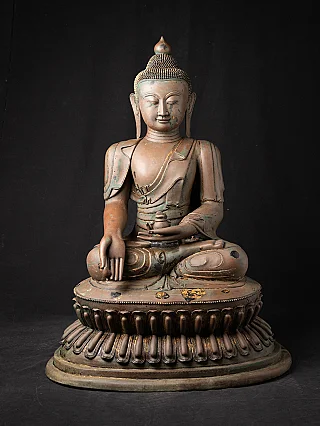
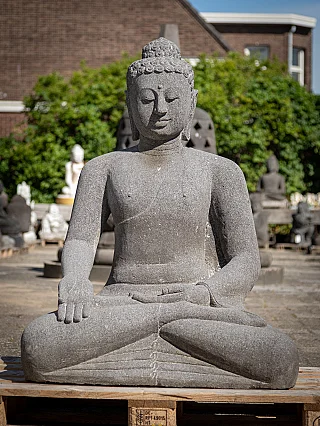
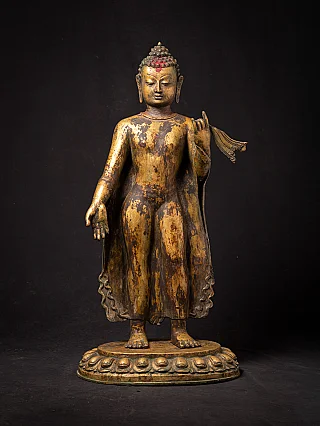
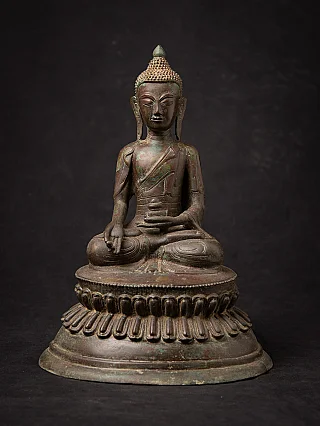
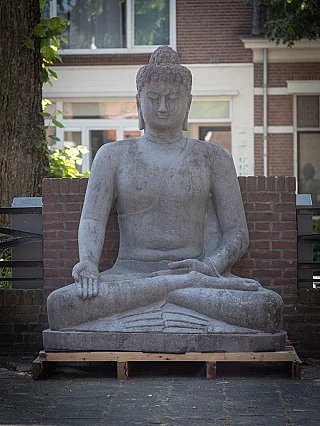
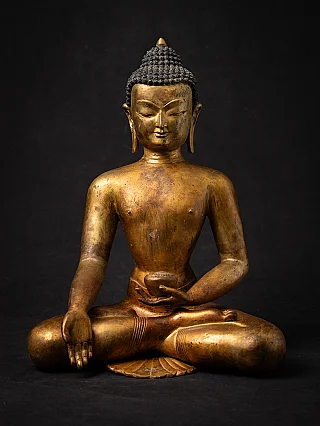
Materials and Craftsmanship of Varada Mudra Statues
Each Varada Mudra statue in our collection is carved or cast by hand, using materials chosen for both beauty and longevity. Below are the materials most commonly found in this collection:
- Wooden statues: hand-carved with a warm, natural grain that deepens in character over time.
- Bronze statues: cast using traditional lost-wax methods, prized for crisp detail and a patina that improves with age.
- Stone statues: weathered and enduring, suited to both indoor altars and outdoor courtyards.
- Lavastone statues: a volcanic stone with a rugged, organic texture built for outdoor display.
- Marble statues: polished and refined, favored for formal interiors.
What Does the Varada Mudra Mean?
The Varada Mudra ("boon-granting gesture") represents the Buddha's compassion, charity, and willingness to fulfill the wishes of those who seek his guidance. It is formed by extending the hand downward, palm facing outward and fingers pointing toward the ground, an open gesture of giving rather than receiving. Traditionally shown on the left hand, it is frequently paired with Abhaya Mudra on the right, a combination known as Abhaya-Varada that expresses both protection and generosity at once.
Spiritual Benefits of a Varada Mudra Statue
A Varada Mudra statue is traditionally kept as a symbol of generosity, kindness, and openhandedness toward others. Practitioners describe its presence as encouraging a spirit of giving, gratitude, and compassion in daily life. For collectors, it also stands as one of the most welcoming mudras in Buddhist art: the gesture of a teacher extending help freely, without condition.
Where to Place a Varada Mudra Statue
Because the gesture is associated with generosity and openhearted giving, a Varada Mudra statue suits any space meant to welcome others or encourage reflection:
- Entryway or hallway: greets guests with a gesture of welcome and goodwill.
- Personal altar: paired with candles and incense as a focal point for meditation or prayer.
- Living room: a graceful centerpiece that brings a sense of calm generosity to shared spaces.
- Garden or courtyard: stone or lavastone pieces hold up well outdoors and bring a sense of calm to the space.
Explore Other Mudra Statues
The Varada Mudra is one of several hand gestures represented across our collection, each with its own meaning and history:
- Bhumisparsha Mudra statues: the earth-touching gesture that calls the earth to witness the Buddha's enlightenment.
- Namaskara Mudra statues: the gesture of greeting, reverence, and respect.
- Abhaya Mudra statues: the raised hand of fearlessness and protection.
- Dharmachakra Mudra statues: the two-handed gesture of turning the Wheel of Dharma.
- Vitarka Mudra statues: the gesture of teaching and intellectual discussion.
- Dhyana Mudra statues: the resting hands of deep meditation.
Frequently Asked Questions
What does the Varada Mudra symbolize?
It symbolizes charity, compassion, and the Buddha's willingness to grant blessings and fulfill the sincere wishes of those who seek his guidance.
Which hand forms the Varada Mudra?
The gesture is traditionally formed with the left hand, extended downward with the palm facing outward and fingers pointing toward the ground.
What is the Abhaya-Varada combination?
It pairs Abhaya Mudra on the right hand with Varada Mudra on the left, expressing protection and generosity together in a single standing figure.
Where should I place a Varada Mudra statue?
Many collectors place it at an entryway to welcome guests, on a personal altar, or, for stone and lavastone pieces, outdoors in a garden or courtyard.