Apsaras: The Divine Nymphs of Beauty, Dance, and Mythology
Author : Peter Vredeveld

Beautiful Hindu Gods' Collection
Apsaras, celestial beings in Hindu and Buddhist mythology, captivate the imagination with their beauty, charm, and divine talents. These divine nymphs have a special place in both ancient scriptures and modern-day art, symbolizing the ideal of beauty and grace.
What Are Apsaras?

In simple terms, Apsaras are celestial beings or nymphs depicted in Hindu, Buddhist, and Jain mythologies. They are often portrayed as enchanting dancers and musicians who reside in the heavens. According to ancient texts like the Rigveda and the Mahabharata, Apsaras are beings of supernatural beauty and grace, known for their skill in performing arts, especially dance and music.
Origin of Apsaras in Hindu Mythology
Apsaras' origins can be traced back to Hindu mythology. They are mentioned in several Vedic and epic texts. In the Rigveda, Apsaras are described as water spirits, playing an essential role in the cosmic balance. They are believed to have been created from the essence of primordial waters, embodying both beauty and fluidity.
According to the Mahabharata, Apsaras live in the courts of gods, offering entertainment and delight. They are often seen as messengers of the gods, helping in tasks that require charm, grace, or divine intervention.
Who Are the Most Famous Apsaras?
Some Apsaras have become particularly famous for their stories and significance in Indian mythology. These include:
- Urvashi – Perhaps the most famous Apsara symbolizes beauty and sensuality. She is known for her love affair with King Pururavas and her journey through complex relationships with the gods and mortals.
- Menaka—Another well-known Apsara, Menaka is famous for distracting the sage Vishwamitra from his meditation. Her story is central to the Ramayana and highlights the temptation and power of Apsaras.
- Ramba – Ramba is another significant Apsara known for her beauty and role in various divine escapades.
Each Apsaras is associated with captivating dance performances, beauty, and charm, often causing both mortal and divine beings to be entranced by their allure.
What is the Role of Apsaras in Hindu and Buddhist Mythology?

The role of Apsaras can be categorized into several key functions:
- Dancers and Entertainers of the Gods: Apsaras are portrayed as skilled dancers performing for the gods in Hindu and Buddhist mythologies. These performances are believed to bring joy and entertainment to the divine realm. Their dances often symbolize the graceful movements of the universe.
- Symbol of Beauty and Feminine Power: Apsaras represent an idealized vision of feminine beauty and power. They embody both physical beauty and the ability to influence through art and charm.
- Temptresses and Testers of Righteousness: Apsaras also serve as a test of virtue for sages, heroes, and gods. Their enchanting beauty is used to distract or tempt figures like King Shibi or the sage Vishwamitra, often testing their resolve and devotion.
- Divine Muses: In many stories, Apsaras act as divine muses who inspire creativity in gods and sages. Their dance and music can create influential art, poetry, and spiritual insights.
Apsaras in Art and Culture
The legacy of Apsaras has extended far beyond religious texts. They continue to inspire art, dance, and culture today:
- Classical Dance Forms: In Indian classical dance traditions like Bharatanatyam, Odissi, and Kuchipudi, Apsaras have long been an iconic source of inspiration. The dancers ' performances often mirror their elegant poses and ethereal presence.
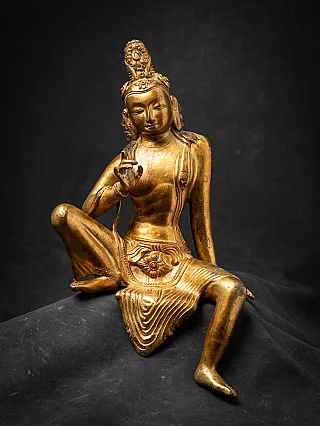
- Artistic Depictions: Apsaras are commonly depicted in sculptures and paintings, especially in temples and ancient caves. In places like the Ajanta Caves in Maharashtra, stunning depictions of Apsaras adorn the walls, capturing their beauty and grace.
- Contemporary Influence: Modern art and literature continue to be influenced by the concept of Apsaras, celebrating their beauty, charm, and role as divine beings who bridge the human and divine worlds.
The Symbolism of Apsaras
Apsaras hold deep symbolism across various cultures and spiritual beliefs. Here's what they represent:
- The Divine Feminine: Apsaras are often seen as a representation of the feminine ideal. They embody the balance of beauty, strength, and charm, illustrating feminine power through art, dance, and music.
- Purity and Transcendence: Though Apsaras are known for their sensuality, they symbolize spiritual purity and transcendence. Their existence in the celestial realms suggests that beauty can also be a vehicle for spiritual awakening.
- The Connection Between Heaven and Earth: Apsaras bridge the divine and mortal realms. They represent the intersection between the earthly and spiritual worlds, often serving as messengers or intermediaries.
What is the Significance of Apsaras Today?
Today, Apsaras remains a prominent figure in South Asian art and culture. They are often used in spiritual practices, artistic performances, and festivals. The essence of Apsaras continues to inspire contemporary dance, art, and literature, with many artists reimagining them in modern forms while staying true to their celestial origins.
In modern-day discussions, Apsaras are also seen as symbols of self-expression and the pursuit of beauty. Their association with dance and music as forms of divine worship has been embraced in various creative fields, making them timeless figures in religious and artistic spheres.
Share this page