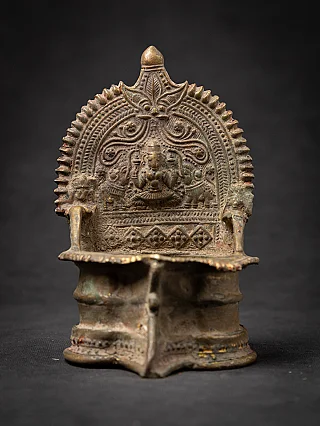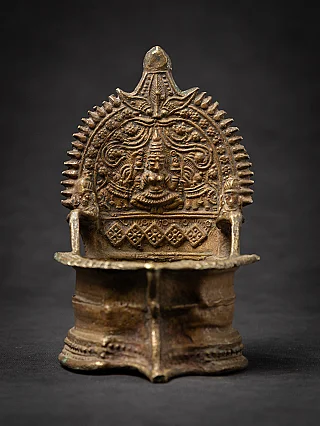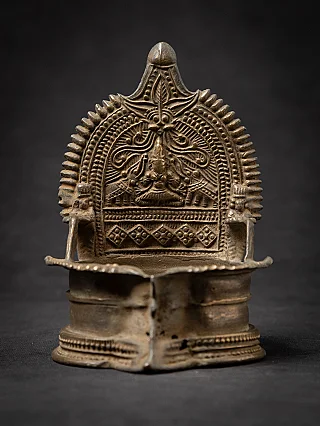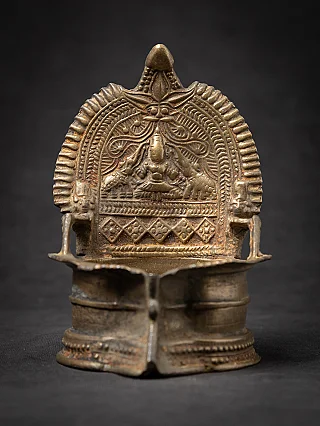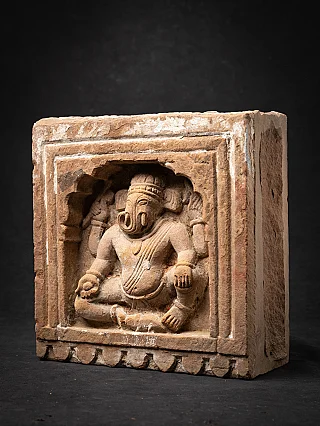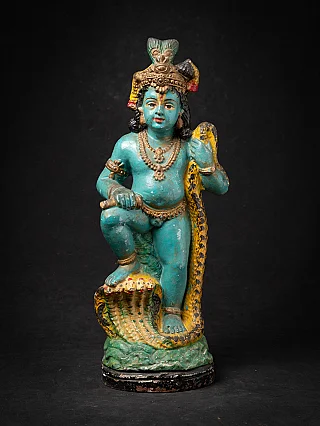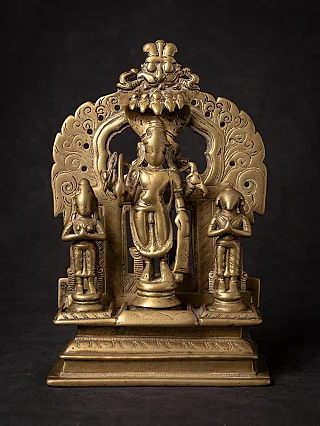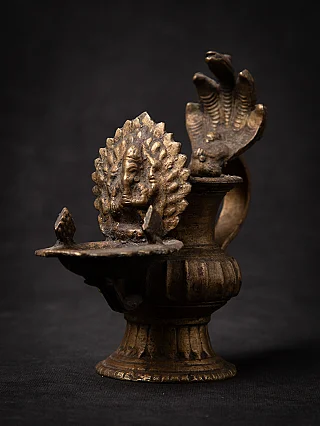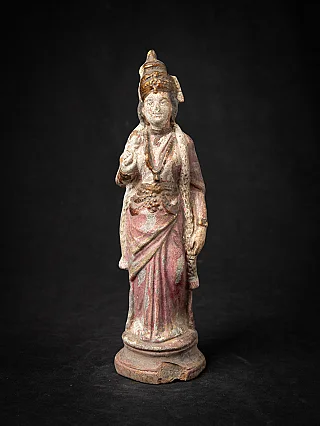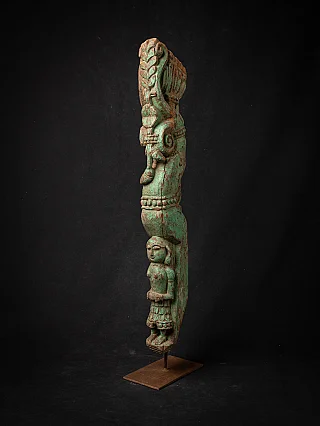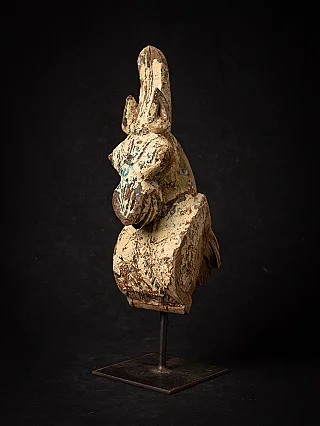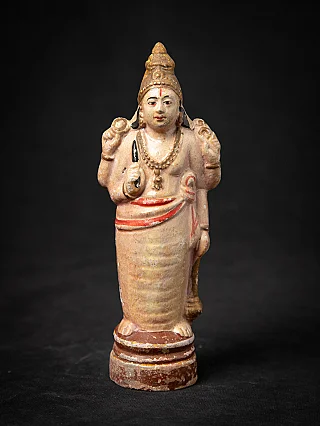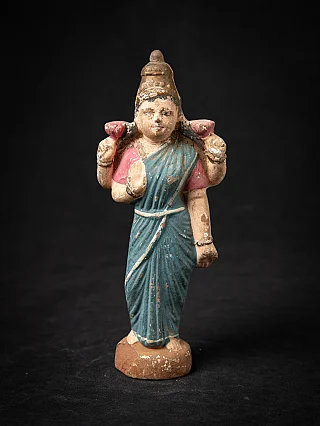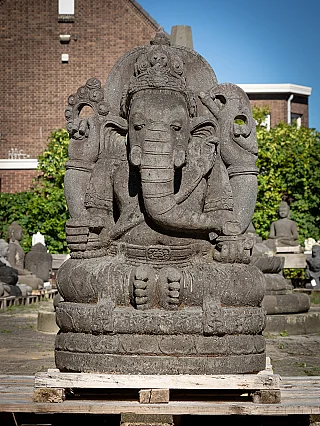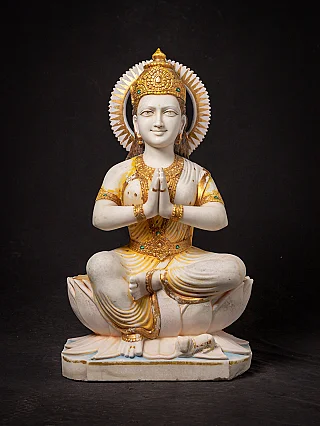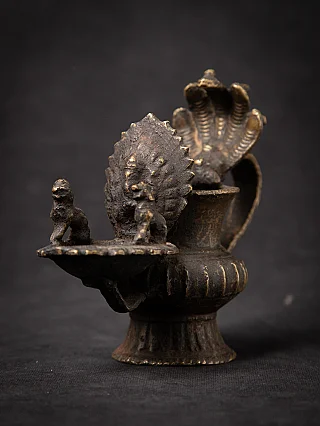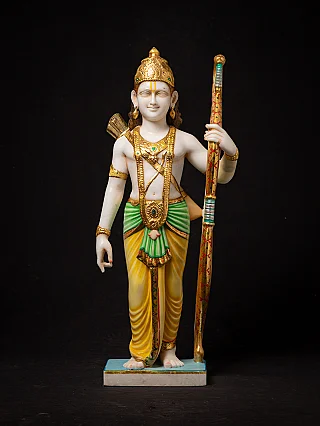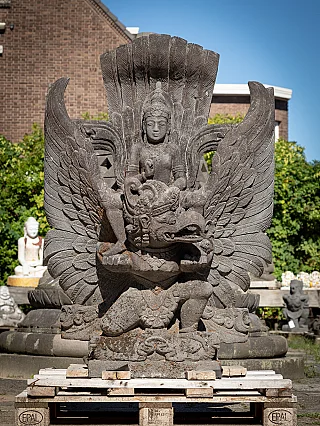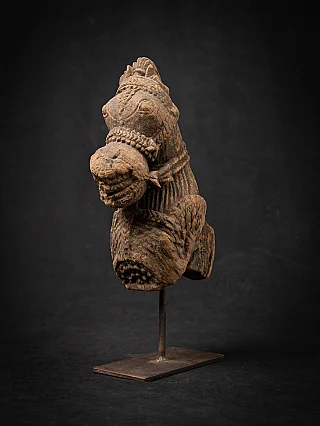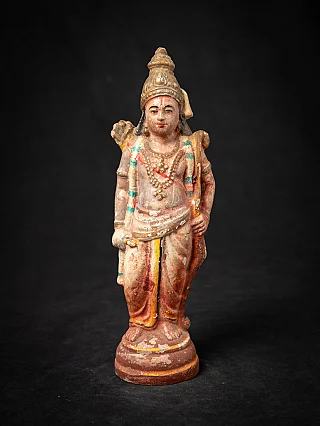
Jain Statues – Symbolism, Meaning, and Its Beauty
Author : Peter Vredeveld
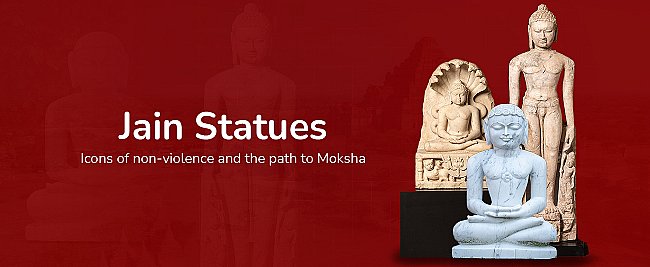
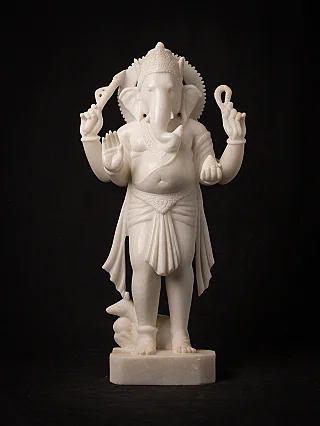
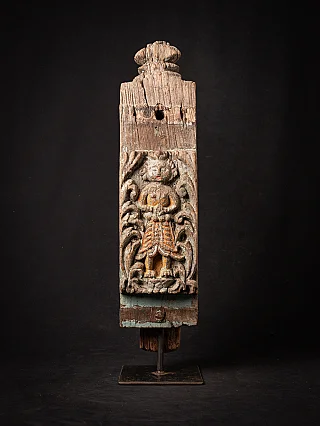
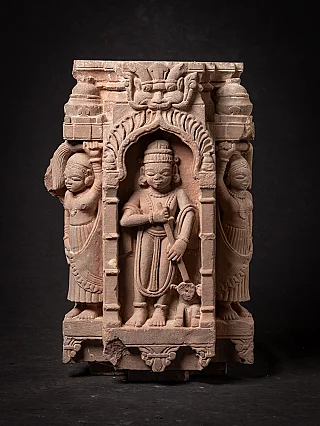
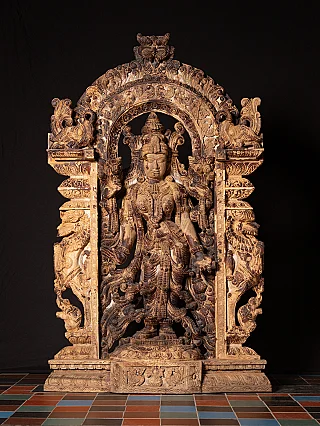
Jainism, one of the world’s most ancient religions, places profound emphasis on non-violence (Ahimsa), truth, and spiritual liberation. Among its many sacred traditions, Jain statues hold a unique place. These statues are not only objects of devotion but also timeless works of art, reflecting deep spiritual symbolism and centuries of craftsmanship.
What Are Jain Statues?
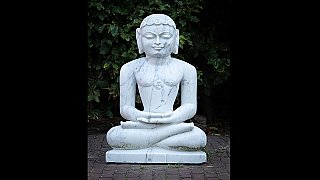
Jain statues (also called Jina murtis or Tirthankara statues) represent the enlightened beings known as Tirthankaras. In Jain belief, there are 24 Tirthankaras, with Lord Mahavira being the most recent.
These statues are not merely decorative – they are considered spiritual embodiments of purity, knowledge, and liberation. Devotees meditate upon them to focus their minds on the path of Moksha (liberation).
Key Features of Jain Statues
When observing an authentic Jain statue, you’ll notice specific symbolic details:
- Seated or Standing Postures – Jain statues are typically depicted in Padmasana (the lotus sitting posture) or Kayotsarga (the standing meditation posture), representing deep meditation and detachment from the physical world.
- Calm Facial Expressions – The serene and expressionless face symbolizes inner peace, equanimity, and detachment.
- Lanchhana (Symbol) – Each Tirthankara is associated with a unique symbol (such as lion, bull, or elephant), usually carved near the base of the statue.
- Absence of Ornamentation – Most Jain statues are plain and minimal, reflecting simplicity and detachment. In contrast, some regional variations (especially in Rajasthan and Gujarat) may include more elaborate designs.
Difference Between Jain and Buddha Statues
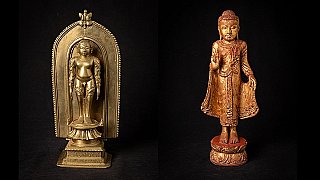
Many people wonder about the difference between Jain statues and Buddhist statues, as they appear similar at first glance.
- Posture Similarities: Both often depict a seated or standing meditative posture.
- Expression: Jain statues typically maintain a neutral, emotionless expression, whereas Buddha statues often display a gentle smile.
- Symbolic Detail: Jain statues typically include the specific Tirthankara symbol at the base, whereas Buddha statues often feature mudras (hand gestures).
- Purpose: Jain statues focus on the ideal of liberation and detachment, while Buddha statues often emphasize compassion, wisdom, and teaching.
Explore our collection of authentic Buddha statues
Historical Importance of Jain Statues
From the ancient cave temples of Ellora and Udayagiri to the magnificent marble temples of Rajasthan, Jain statues have been central to devotional practice.
- Material – Traditionally carved in stone, marble, bronze, and brass.
- Regional Styles – Distinct artistic influences are evident in Jain statues from India, Nepal, and Tibet.
- Preservation – Authentic antique Jain statues are rare, as they were often handcrafted centuries ago for temples and monasteries.
Today, these statues are not just religious artifacts but also valuable cultural treasures.
Why Do Devotees Keep Jain Statues at Home?
For Jains and spiritual seekers, keeping a Jain Tirthankara statue at home has deep meaning:
- Encourages daily meditation and prayer.
- Symbol of purity, truth, and detachment.
- Brings a sense of calm and balance to the living space.
- Preserves a connection to ancestral and cultural roots.
Conclusion
Jain statues are more than just religious art – they serve as a doorway into ancient wisdom, meditation, and spiritual clarity. Whether you are a Jain devotee, an art collector, or a spiritual seeker, these statues offer both inspiration and serenity.
By preserving and cherishing them, we not only keep alive the artistic traditions of Jainism but also carry forward its universal message of non-violence and liberation.
FAQ About Jain Statues
1. Which Jain Tirthankara statues are most common?
The most common statues are of Lord Mahavira (the 24th Tirthankara), but others, such as Rishabhanatha (the 1st Tirthankara), are also found.
2. Can non-Jains keep Jain statues?
Yes. Many collectors, spiritual practitioners, and art lovers keep Jain statues for their artistic value and the universal message of non-violence and inner peace.
3. How do I know if a statue is Jain or Buddhist?
Look for the Tirthankara symbol at the base and the plain, expressionless face – key features of Jain statues.
4. Are antique Jain statues rare?
Yes. Authentic antique Jain statues are extremely rare and often handcrafted from bronze or stone, dating back centuries.
Share this page