Dvaravati Period: 6th to 11th Century CE

The Dvaravati Period (6th to 11th century CE) marks a fascinating era in the history of Southeast Asia, particularly within what is now Thailand. This period saw the rise of the first Mon kingdom, which played a crucial role in spreading Indian culture throughout the region. The Dvaravati civilization, though not consistently politically dominant, became a cultural bridge, connecting Indian traditions with the emerging societies of Southeast Asia. One of the most enduring legacies of this period is the creation of iconic Buddha statues, which continue to be celebrated for their spiritual and artistic significance.
Origins and Geography
The Dvaravati kingdom was centered in central Thailand's lower Chao Phraya River valley. It extended westward to the Tenasserim Yoma mountains and southward to the Isthmus of Kra. The Mon people believed to have originated in western China, settled in this area around the 1st millennium BCE, gradually moving westward from the upper Mekong River.
By the late 6th century CE, Dvaravati emerged as an independent entity. Despite being surrounded by more powerful neighbors, the kingdom maintained its autonomy for several centuries. However, geographic barriers prevented it from establishing strong political ties with other Mon states in southern Myanmar and northern Thailand.
Cultural Influence and Indian Connections
Transmission of Indian Culture
Dvaravati was a significant transmitter of Indian culture to Southeast Asia. Early trade and cultural contacts with India profoundly influenced the Mon people, who embraced Indian art, literature, religious practices, and governmental forms. The impact of Indian culture was visible in various aspects of Dvaravati life, particularly in the creation of Buddha statues that embodied the spiritual teachings of Buddhism.
Buddhism, Art, and Buddha Statues
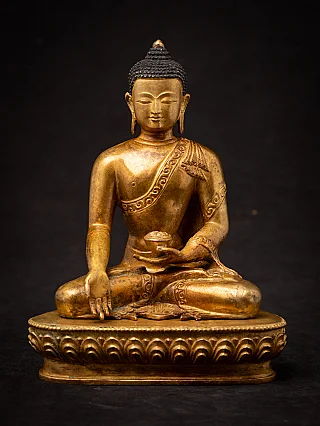
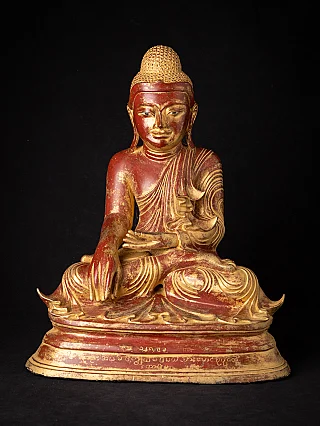
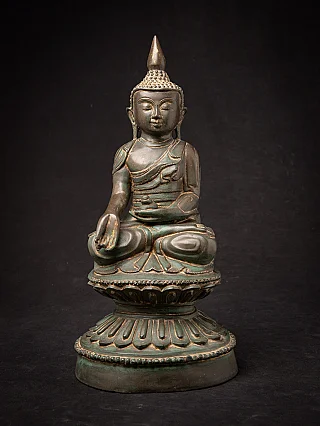
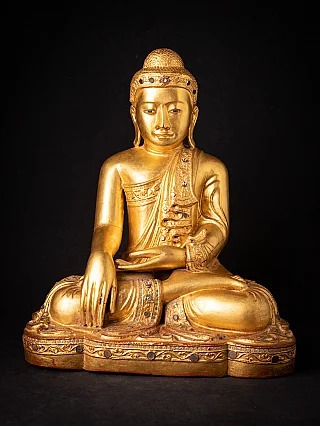
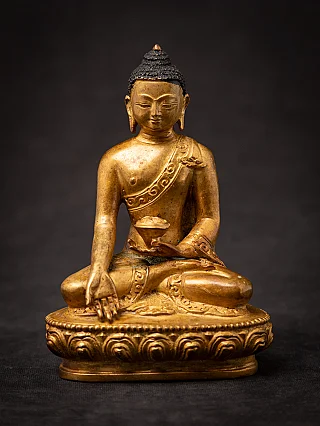
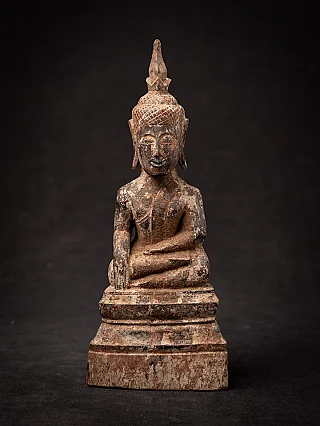
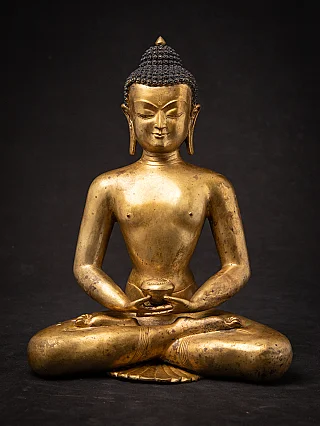
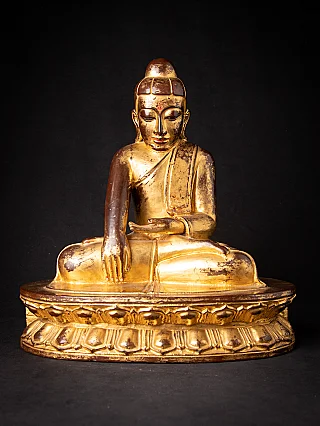
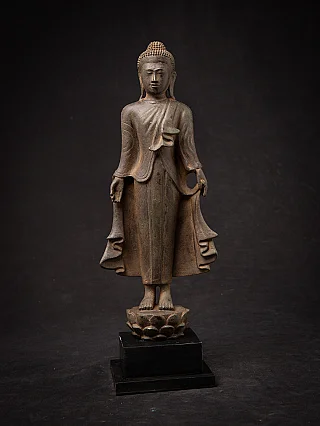
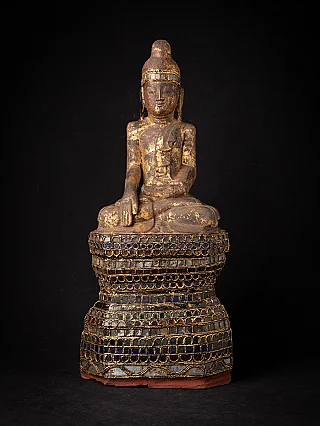
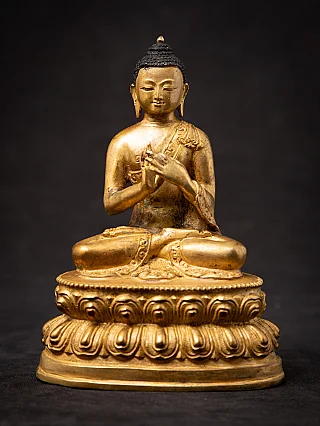
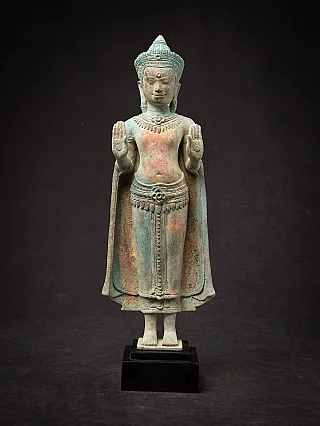
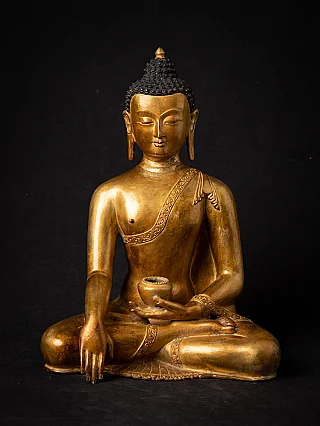
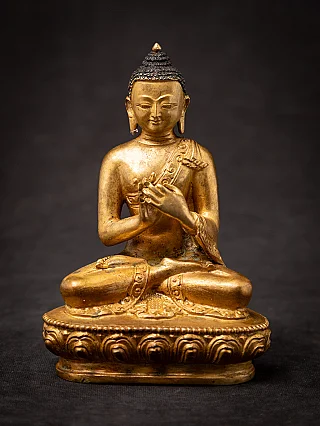
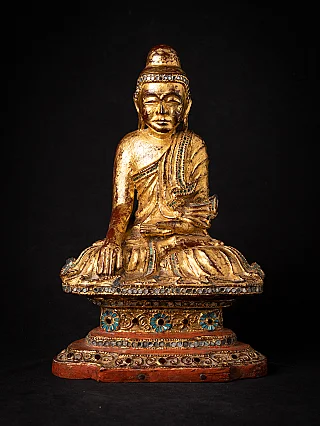
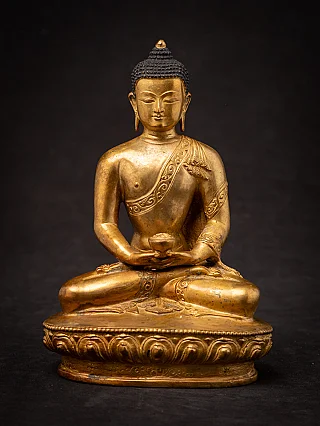
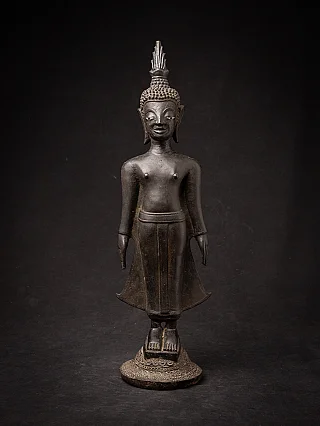
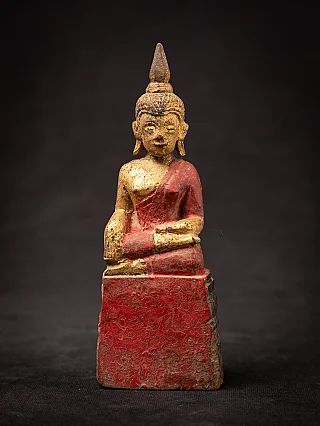
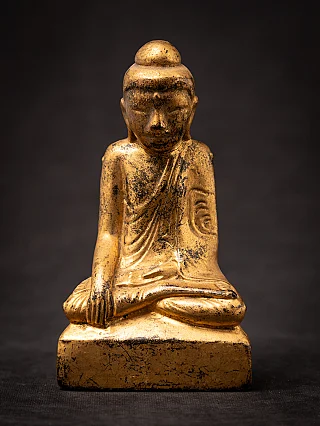
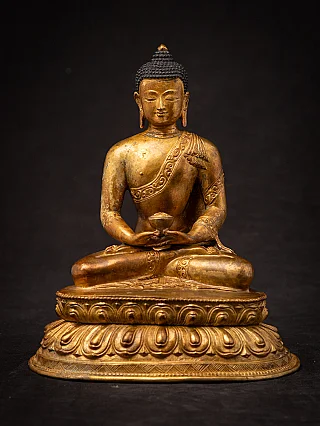
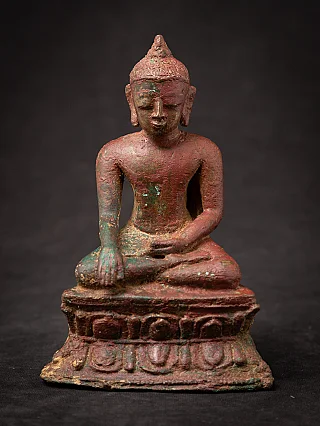
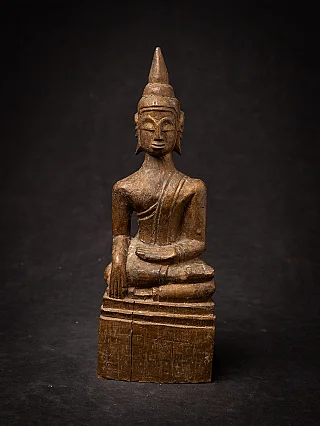
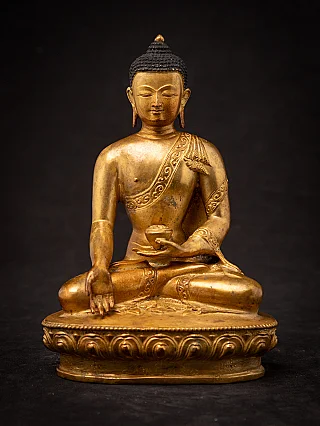
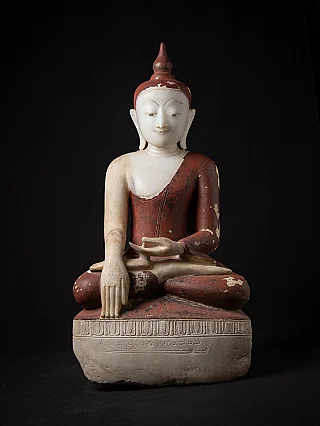
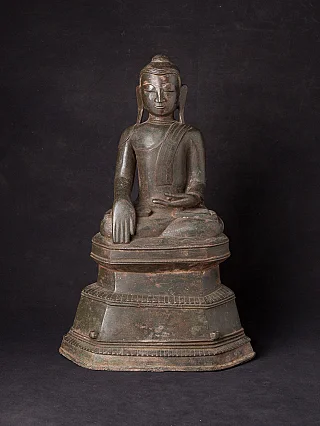
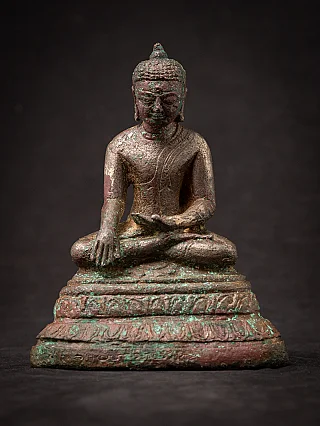
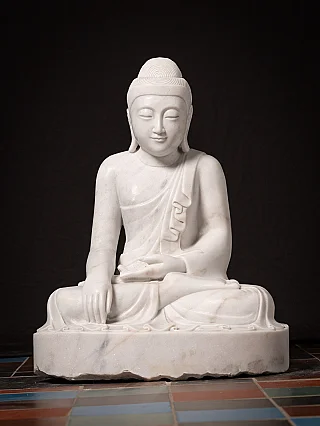
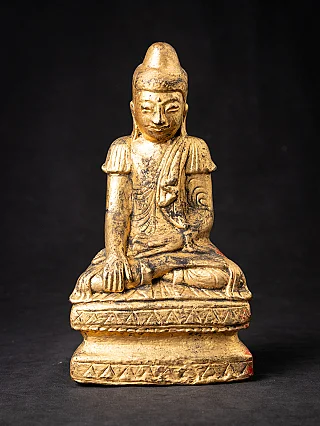
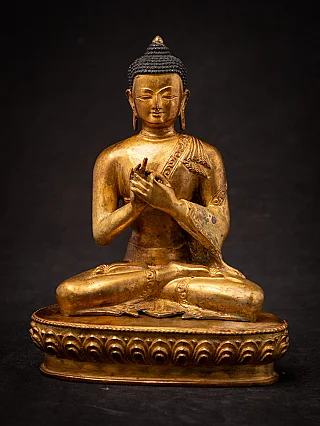
Buddhism, notably Theravada Buddhism, became the dominant religion in Dvaravati. The kingdom is renowned for its Buddhist art, including Buddha statues depicting Buddha in serene and meditative poses. Often made from stone or bronze, these statues reflect a deep spiritual connection and were integral to religious practices. Dvaravati also produced intricate terracotta plaques, usually illustrating stories from the Buddha's past lives, which were discovered at various archaeological sites.
Challenges and Conquests
While Dvaravati was culturally influential, it faced significant challenges. The kingdom was periodically dominated by neighboring powers:
- 10th Century: The Burmese conquered the Mon state of Thaton, located west of the Tenasserim Yoma, weakening Dvaravati's influence.
- 11th to 13th Century: The rise of the Khmer Empire in Cambodia brought further pressure as the Khmer extended their control into Dvaravati territories.
- Late 13th Century: Eventually, the Dvaravati kingdom was absorbed by the emerging Thai empire. Despite this, the Mon people of Dvaravati retained their customs and identity under their rulers, preserving cultural continuity.
Legacy and Influence
Cultural Legacy
The Dvaravati Period left a lasting legacy in Southeast Asia. While the Mon people initially absorbed Indian cultural elements, they, in turn, became cultural educators to their conquerors—the Khmer, Burmese, and Thai. Dvaravati's influence is evident in the writing systems, art forms, governmental structures, religious terminology, and the continued creation of Buddha statues adopted by these civilizations.
Archaeological Discoveries
Today, archaeologists uncover the remnants of Dvaravati's rich cultural heritage. Sites like Nakhon Pathom and Lopburi have yielded significant artifacts, including inscriptions, sculptures, and the ruins of ancient structures. The discovery of Buddha statues from this period provides valuable insights into the spiritual life and beliefs of the Dvaravati people.
Share this page