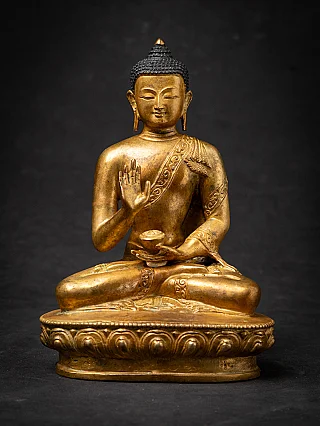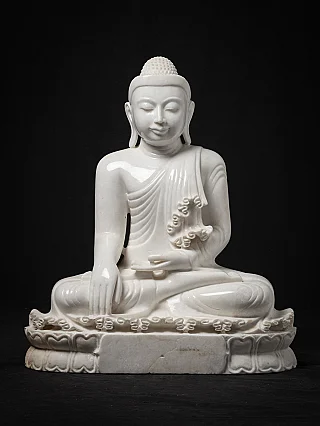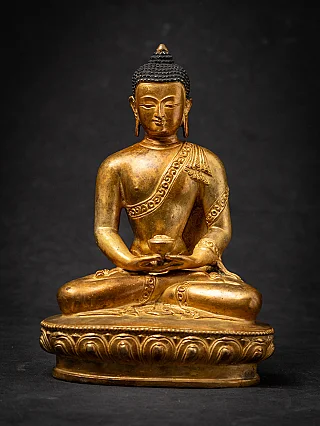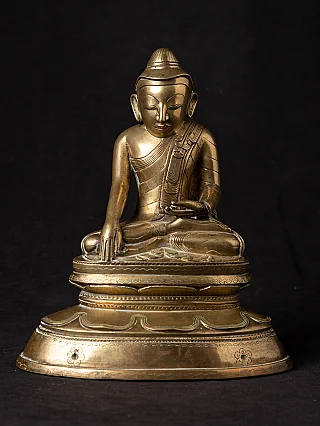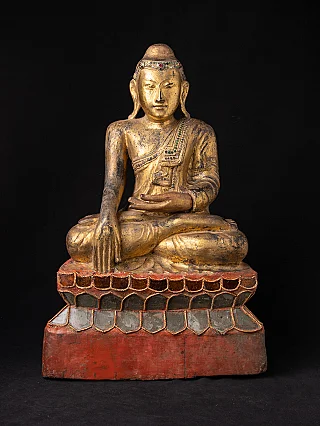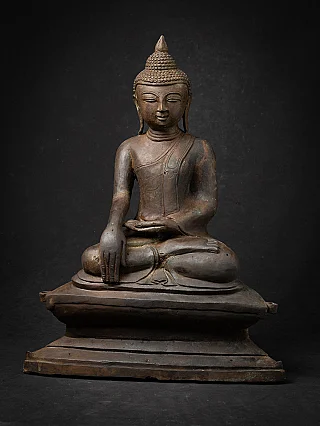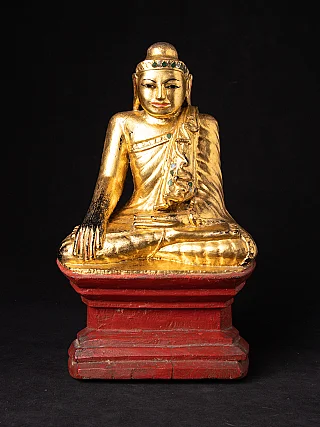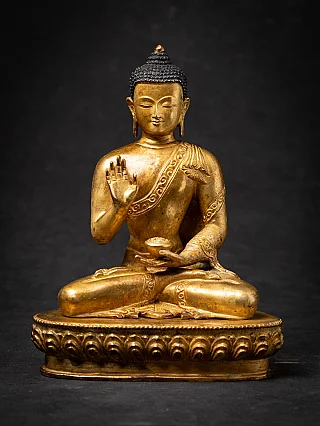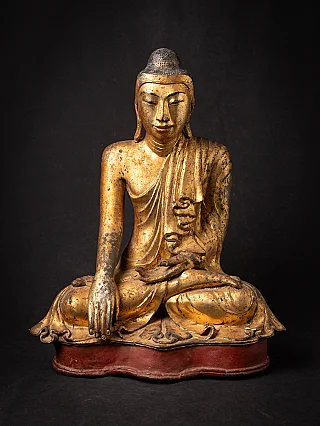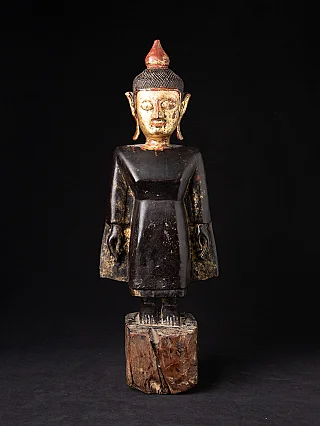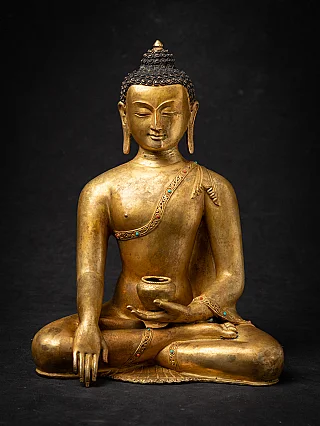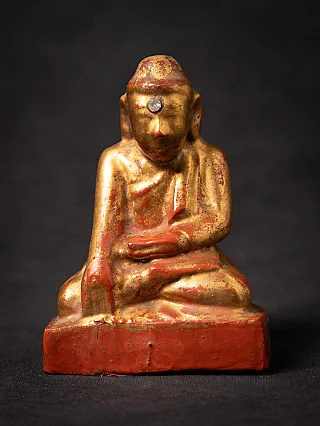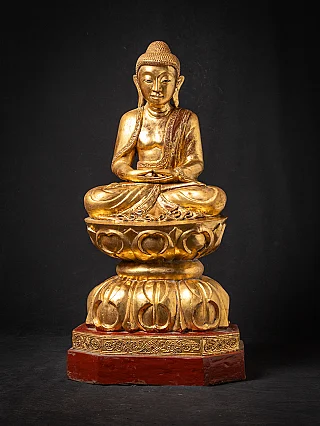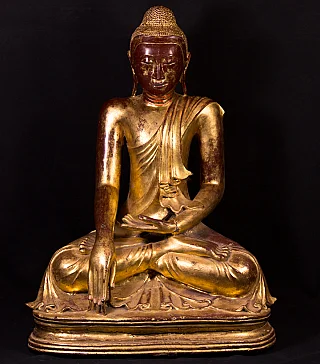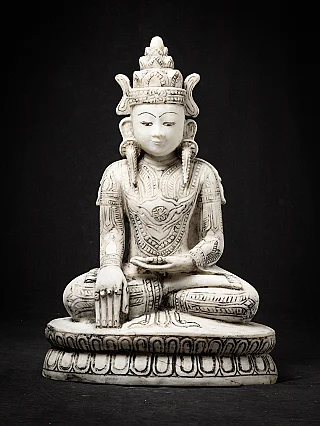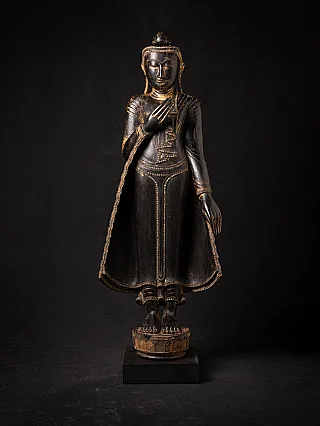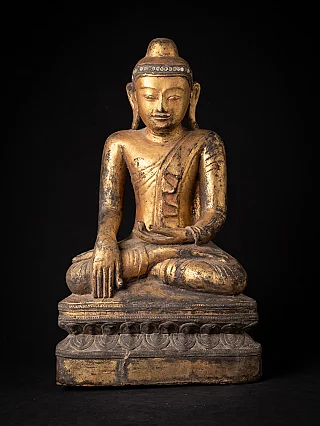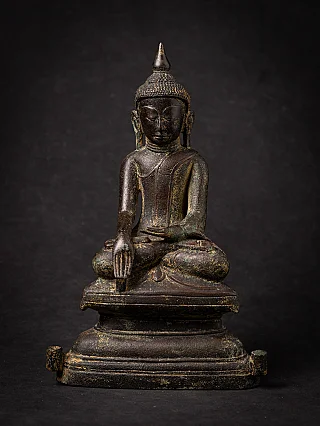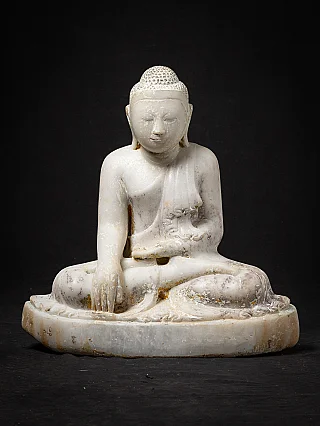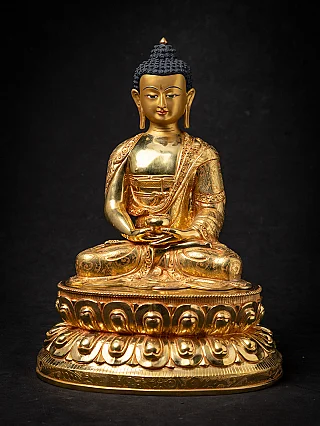
Buddha Jayanti: The Sacred Festival of Enlightenment, Birth, and Liberation
Author : Peter Vredeveld
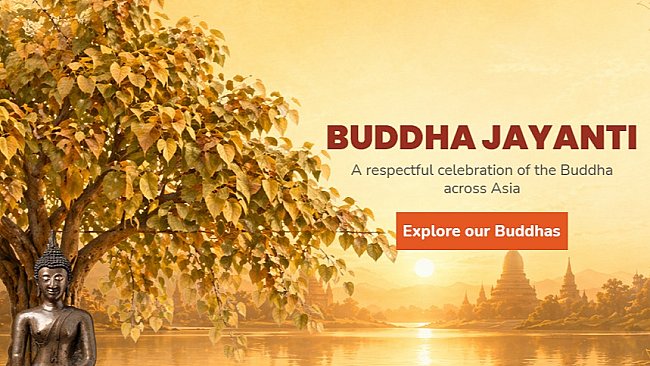
Buddha Jayanti, also known as Buddha Purnima or Vesak, is a primarily Buddhist festival celebrated across South, Southeast, and East Asia that commemorates the birth of Prince Siddhartha Gautama, who became the Buddha and founded Buddhism. The festival holds extraordinary spiritual significance as it marks not just one, but three pivotal moments in the Buddha's life: his birth, his enlightenment (Bodhi), and his death (Mahaparinirvana).
The name varies by region and tradition. In Nepal and India, people commonly refer to it as Buddha Jayanti or Buddha Purnima, where "Jayanti" means birthday and "Purnima" refers to the full moon day in Sanskrit. In Theravada Buddhist countries like Sri Lanka, Thailand, Myanmar, and Cambodia, the festival is known as Vesak or Veskha, derived from the month of Vaisakha in which it falls.
What makes Buddha Jayanti truly unique among religious festivals is that according to Buddhist tradition, all three transformative events in the Buddha's life occurred on the same full moon day of the month of Vaisakha. This convergence of birth, enlightenment, and final liberation creates a day of unparalleled spiritual potency for millions of Buddhists and spiritual seekers worldwide.
The full moon itself holds deep symbolic meaning in Buddhism, representing the fully illuminated mind that is free from ignorance and delusion. As practitioners celebrate Buddha Jayanti, they are reminded of the possibility of their own awakening and the path that leads to liberation from suffering.
When is Buddha Jayanti Celebrated?
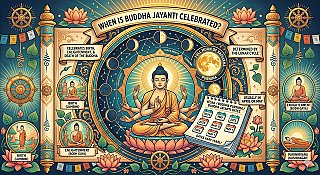
Buddha Jayanti is celebrated on the full moon day (Purnima) of the Hindu and Buddhist month of Vaisakha, corresponding to Baisakh in the Nepali calendar. This date follows the lunar calendar, which is why Buddha Jayanti falls on different dates each year in the Gregorian calendar, typically in April or May.
Why Does the Date Change Every Year?
Buddha Jayanti is observed on the full moon day (Purnima) of the month of Vaisakha. Since the Hindu lunar calendar does not align perfectly with the solar Gregorian calendar, the date shifts annually. This lunar calculation has been faithfully maintained by Buddhist communities for over two millennia, demonstrating the enduring connection between Buddhist practice and natural celestial cycles.
Understanding the Lunar Calendar System
The festival date is determined by the moon's phases, specifically the full moon of Vaisakha. In the Gregorian calendar, this usually falls between mid-April and mid-May. The exact date varies each year, so it's advisable to check local Buddhist calendars or temple announcements for the precise date in your region.
Significance of the Timing
The Purnima Tithi (full moon period) is particularly significant for those observing fasts or performing special prayers and rituals. The specific timings when the full moon begins and ends are important in Hindu and Buddhist traditions, as these hours are considered most auspicious for spiritual practices.
The Triple Significance: Three Sacred Events in One Day
Buddha Jayanti stands apart from other religious celebrations because it commemorates three distinct yet interconnected milestones in the Buddha's spiritual journey. Understanding these three events provides deeper insight into why this day holds such profound meaning for Buddhists worldwide.
1. The Birth (c. 563 BCE)
According to Buddhist tradition and archaeological evidence, Gautama Buddha was born around 623 BCE at Lumbini in what is now Nepal. Prince Siddhartha was born to Queen Maya Devi and King Suddhodana. Legend states that Maya Devi delivered the prince while undertaking a journey to her native home, giving birth at a pond in the Lumbini Garden in Nepal's Rupandehi district.
The Mayadevi Temple, its sacred gardens, and an Ashoka Pillar dating from 249 BCE mark the exact birthplace at Lumbini, which is now a UNESCO World Heritage Site. According to tradition, Queen Maya Devi passed away seven days after giving birth, and her memory is honored at this sacred site.
2. The Enlightenment (c. 528 BCE)
At age 35, after six years of intense meditation and spiritual seeking, Prince Siddhartha attained enlightenment while meditating under the Bodhi tree in Bodh Gaya. This moment of awakening transformed him into the Buddha, meaning "the awakened one." During this profound experience, he realized the fundamental nature of reality, the causes of suffering, and the path to liberation.
The enlightenment was not merely an intellectual understanding but a complete transformation of consciousness. The Buddha gained insight into the Four Noble Truths and discovered the Middle Way between extreme asceticism and indulgent luxury.
3. The Mahaparinirvana (c. 483 BCE)
At the age of 80, the Buddha achieved Mahaparinirvana (final liberation) in Kushinagar. This wasn't death as commonly understood but rather the complete liberation from the cycle of birth, death, and rebirth (samsara). The Buddha's physical passing marked the end of his earthly existence, but his teachings (Dharma) continued to guide millions.
Buddhist teaching holds that the Buddha was born, attained nirvana, and died all on the same day, the full moon of Baishakh. This remarkable convergence makes Buddha Jayanti a day of reflection on the entire arc of the Buddha's journey from birth through enlightenment to final liberation.
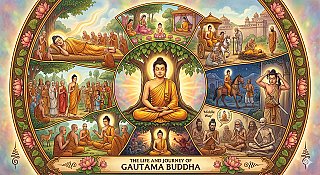
The Life and Journey of Gautama Buddha
Early Life: The Sheltered Prince
Born as Prince Siddhartha Gautama in the royal palace of Kapilavastu, he lived a life of luxury and comfort for the first 29 years. His father, King Suddhodana, attempted to shield him from the harsh realities of life, providing every material comfort and pleasure. Siddhartha married Princess Yasodhara and had a son named Rahula.
The Four Sights: A Turning Point
Despite his privileged existence, Siddhartha's life changed dramatically when he ventured outside the palace walls. He encountered disease, old age, and death, and then set out on a lifelong quest to decipher the cause of all suffering. These encounters, known as the Four Sights, included seeing an old person, a sick person, a corpse, and finally an ascetic monk who had renounced worldly life in search of spiritual truth.
These experiences shattered Siddhartha's sheltered worldview and awakened in him a deep compassion for all living beings who suffer. The fourth sight, of the peaceful ascetic, showed him that there might be a way beyond suffering.
The Great Renunciation
At age 29, Prince Siddhartha made the momentous decision to leave his palace, his family, and his royal inheritance. In what is called the Great Renunciation, he embarked on a spiritual quest to understand the nature of suffering and find a path to liberation.
Years of Ascetic Practice
For six years, Siddhartha practiced extreme asceticism, nearly starving himself in the belief that physical suffering would lead to spiritual liberation. He practiced under various teachers and pushed his body to the brink of death. However, he realized that extreme self-mortification was not the answer, just as his earlier life of luxury had not brought lasting happiness.
This realization led him to formulate the Middle Way, a balanced approach that avoids both sensual indulgence and self-mortification.
The Enlightenment at Bodh Gaya
Rejecting extreme asceticism, Siddhartha accepted a bowl of rice pudding (kheer) from a village woman named Sujata, which gave him the strength to continue. He then sat under a Bodhi tree in Bodh Gaya, vowing not to rise until he had attained enlightenment.
After 49 days of deep meditation, on the full moon night of Vaisakha, Siddhartha achieved complete awakening. He became the Buddha, the "Enlightened One," having understood the fundamental truths about existence, suffering, and liberation.
Teaching the Dharma
After attaining enlightenment, the Buddha spent the remaining 45 years of his life teaching the path to liberation from suffering. His first sermon was delivered at the Deer Park in Sarnath, where he taught the Four Noble Truths and the Noble Eightfold Path to his former companions who had abandoned him during his ascetic phase.
The Buddha traveled extensively throughout northern India, teaching people from all walks of life regardless of caste, gender, or social status. He established a monastic community (Sangha) and his teachings were preserved orally by his disciples before being written down centuries later.
Core Buddhist Teachings: Four Noble Truths and Eightfold Path
The Buddha's enlightenment revealed fundamental truths about existence that form the foundation of Buddhist philosophy and practice. Understanding these teachings helps illuminate why Buddha Jayanti is celebrated and what wisdom it honors.
The Four Noble Truths
The Four Noble Truths refer to and express the basic orientation of Buddhism: unguarded sensory contact gives rise to craving and clinging to impermanent states and things, which are dukkha, meaning unsatisfactory, incapable of satisfying, and painful.
1. The Truth of Suffering (Dukkha)
The first truth acknowledges that suffering is an inherent part of existence. Dukkha encompasses not just obvious suffering like pain and sorrow, but also the subtle dissatisfaction that comes from the impermanent nature of all things. Even pleasant experiences contain dukkha because they inevitably change and end.
2. The Truth of the Cause of Suffering (Samudaya)
The second truth identifies craving (tanha) and attachment as the root cause of suffering. This craving keeps us caught in samsara, the endless cycle of repeated rebirth and the continued suffering that comes with it, but also referring to the endless cycle of attraction and rejection that perpetuates the ego-mind.
Our constant desire for things to be different than they are, our attachment to pleasant experiences and aversion to unpleasant ones, creates a cycle of dissatisfaction.
3. The Truth of the Cessation of Suffering (Nirodha)
The third truth offers hope by declaring that suffering can end. There is a way to end this cycle, namely by attaining nirvana, cessation of craving, whereafter rebirth and the accompanying suffering will no longer arise again. Nirvana represents the ultimate peace, the cooling of the fires of desire, aversion, and delusion.
4. The Truth of the Path (Magga)
The fourth truth provides the practical method for ending suffering through the Noble Eightfold Path. This isn't merely theoretical knowledge but a practical guide for daily living that leads to liberation.
The Noble Eightfold Path
The Noble Eightfold Path is one of the principal summaries of Buddhist teachings, taught to lead to liberation. The eight elements of the path are typically divided into three categories: wisdom, ethical conduct, and mental discipline, collectively known as the Threefold Training.
Wisdom (Prajna)
1. Right View (Samma Ditthi): Understanding the Four Noble Truths, the law of karma, and the impermanent and interconnected nature of all phenomena. This involves seeing reality as it truly is, not as we wish it to be.
2. Right Resolve (Samma Sankappa): Cultivating intentions of renunciation, goodwill, and harmlessness. This means developing the mental commitment to follow the path and transform one's motivations.
Ethical Conduct (Sila)
3. Right Speech (Samma Vaca): Speaking truthfully and avoiding lying, harsh words, gossip, and divisive speech. Our words should promote truth, harmony, and understanding.
4. Right Action (Samma Kammanta): Acting ethically by abstaining from killing, stealing, and sexual misconduct. This encompasses all our physical actions and their effects on others.
5. Right Livelihood (Samma Ajiva): Earning one's living through means that don't cause harm to others, such as avoiding trades in weapons, living beings, intoxicants, or any occupation that requires deception or exploitation.
Mental Discipline (Samadhi)
6. Right Effort (Samma Vayama): Diligently cultivating wholesome qualities while abandoning unwholesome thoughts and actions. This involves persistent but balanced effort in spiritual practice.
7. Right Mindfulness (Samma Sati): Maintaining present-moment awareness of body, feelings, consciousness, and mental phenomena. This means being fully awake to each moment of experience without getting lost in automatic reactions.
8. Right Concentration (Samma Samadhi): Developing focused, unified attention through meditation practice. Right Concentration allows one to remain withdrawn from distracting sensory experiences and focused on the object of meditation, leading to deeper states of mental clarity.
The Interconnected Path
The Eightfold Path is not a linear path taken step by step but a holistic and interconnected set of practices to be engaged in simultaneously, as progress in one area can support progress in others. These eight factors work together synergistically, each reinforcing and supporting the others on the journey toward liberation.
How Buddha Jayanti is Celebrated Worldwide
Buddha Jayanti celebrations blend solemn spiritual practice with joyful community gatherings, creating a day that honors both the profound and the accessible aspects of Buddhist teaching.
Morning Rituals and Prayers
Devotees typically begin the day before sunrise, bathing and wearing fresh, often white, clothing to symbolize purity. Many observe a full-day fast or consume only vegetarian food. Buddhist temples and monasteries hold special prayer sessions that begin in the early hours, with monks chanting sacred sutras and mantras.
The Bathing Ceremony
One of the most beautiful traditions involves gently pouring scented water over small statues of the infant Buddha. This symbolic bathing commemorates the legend that celestial beings bathed the newborn prince with streams of perfumed water. The ritual represents purification and the washing away of greed, hatred, and delusion.
Acts of Compassion and Generosity
Following the Buddha's emphasis on compassion, many devotees engage in charitable activities. This includes offering food to monks (dana), distributing meals to the poor, donating to orphanages and hospitals, and even releasing caged birds or fish as a symbolic act of liberation and compassion for all sentient beings.
Meditation and Reflection
Group meditation sessions are held throughout the day, giving practitioners the opportunity to deepen their practice. Many Buddhists use this day to renew their commitment to the Five Precepts (abstaining from killing, stealing, sexual misconduct, lying, and intoxicants) or take temporary monastic vows.
Decorations and Offerings
Temples are adorned with colorful prayer flags, lanterns, and flowers, particularly lotus blossoms which symbolize purity and enlightenment. Devotees bring offerings of flowers, incense, candles, and fruits to altars. The act of offering flowers, which will inevitably wilt, serves as a reminder of impermanence.
Dharma Talks and Cultural Programs
Buddhist teachers deliver special sermons explaining the Buddha's life and teachings. Many temples organize cultural programs featuring traditional music, dance performances depicting episodes from the Buddha's life, and dramatic presentations that make the teachings accessible to all ages.
Evening Processions
As evening falls, magnificent candlelit processions wind through streets, with devotees carrying images of the Buddha, banners, and flowers. These processions create a moving spectacle of devotion and community solidarity, often accompanied by the chanting of Buddhist mantras.
Sacred Places for Buddha Jayanti Celebrations
Certain locations hold special significance during Buddha Jayanti, drawing pilgrims from around the world to commemorate the Buddha's life at the very sites where these events occurred.
Lumbini, Nepal: The Birthplace
Lumbini in Nepal, the birthplace of Buddha, hosts the country's largest Buddha Jayanti celebrations with prayers and processions. The sacred garden contains the exact spot where Queen Maya Devi gave birth, marked by the ancient Mayadevi Temple and the Ashoka Pillar. Thousands of pilgrims gather here on Buddha Jayanti, creating an atmosphere of profound devotion.
The site features monasteries built by Buddhist communities from around the world, each reflecting their unique architectural traditions while united in honoring the Buddha's birthplace.
Bodh Gaya, India: The Place of Enlightenment
Bodh Gaya is where Prince Siddhartha attained enlightenment under the Bodhi tree. The Mahabodhi Temple complex, another UNESCO World Heritage Site, becomes the epicenter of international celebrations. Monks and pilgrims from across the globe gather to meditate, chant prayers, and attend spiritual discourses. The temple is decorated with countless lights and flowers, and continuous recitation of Buddhist scriptures creates a deeply serene atmosphere.
Sarnath, India: Site of the First Sermon
At Sarnath near Varanasi, the Buddha delivered his first sermon after enlightenment, teaching the Four Noble Truths and setting the Wheel of Dharma in motion. The Dhamek Stupa becomes a focal point for celebrations, with devotees circumambulating the monument and listening to special teachings that commemorate the Buddha's first disciples' enlightenment.
Kushinagar, India: Place of Mahaparinirvana
Kushinagar, where the Buddha attained final liberation, hosts solemn yet meaningful celebrations. Devotees gather at the Mahaparinirvana Temple to pay homage, offer flowers, and meditate. The reclining Buddha statue attracts visitors who reflect on impermanence and the completion of the Buddha's earthly journey.
Kathmandu Valley, Nepal
Kathmandu hosts vibrant celebrations at numerous Buddhist sites. Swayambhunath Stupa (the Monkey Temple) and Boudhanath Stupa draw massive crowds. Prayer flags flutter in the wind, butter lamps illuminate the night, and the air fills with the sound of prayers and mantras. The Newari Buddhist community, particularly the Shakya clan who trace their lineage to the Buddha's own clan, celebrates with special fervor.
Rituals, Traditions, and Observances
The Lighting of Butter Lamps
Throughout Buddhist regions, devotees light countless butter lamps or oil lamps, symbolizing the dispelling of ignorance and the illumination of wisdom. The flickering lights create a magical atmosphere in temples and monasteries, representing each individual's journey from darkness to enlightenment.
Offering of Kheer (Sweet Rice Pudding)
The tradition of offering and consuming kheer holds special significance. Before his enlightenment, the emaciated Siddhartha accepted a bowl of kheer from the village woman Sujata, which gave him the strength to continue his meditation and ultimately attain enlightenment. This simple act of compassion is commemorated by offering sweet rice pudding at temples and sharing it as prasad (blessed food).
Circumambulation (Kora/Parikrama)
Devotees perform circumambulation, walking clockwise around stupas, temples, or sacred sites while reciting mantras or prayers. This meditative walking practice generates merit and expresses devotion, with each step taken mindfully as a form of moving meditation.
The Five Precepts
Many lay Buddhists renew their commitment to the Five Precepts on Buddha Jayanti:
Abstaining from taking life
Abstaining from taking what is not given
Abstaining from sexual misconduct
Abstaining from false speech
Abstaining from intoxicants that cloud the mind
Some practitioners take additional precepts for the day, living as temporary monastics to deepen their practice.
Chanting and Sutra Recitation
The continuous chanting of important Buddhist texts, particularly the Dhammapada and other discourses of the Buddha, fills temples throughout the day and night. These melodious recitations create a sacred atmosphere and allow participants to absorb the Buddha's teachings through repeated listening.
Tree Planting
In recognition of the Buddha's enlightenment under the Bodhi tree and his teachings about interconnection with nature, many Buddhist communities organize tree-planting ceremonies. This eco-friendly tradition reflects the application of Buddhist principles to contemporary environmental concerns.
Buddha Jayanti in Different Countries and Cultures
Buddha Jayanti's celebration varies beautifully across cultures, with each region adding its unique flavors while maintaining the festival's spiritual essence.
Nepal
As the Buddha's birthplace, Nepal holds Buddha Jayanti as a national holiday with particular pride. Beyond Lumbini, celebrations occur throughout the country. In the Kathmandu Valley, Newari Buddhists celebrate "Swny Punhi," the full moon day of flowers. Monasteries in the Himalayan regions organize masked dances (Cham) and elaborate rituals that blend Tibetan Buddhist traditions with local customs.
India
India celebrates Buddha Purnima with great reverence across its Buddhist sites. In regions with significant Buddhist populations following Dr. B.R. Ambedkar's revival movement, particularly in Maharashtra, cities witness grand processions and community gatherings. Major celebrations occur in Buddhist centers like Delhi, Mumbai, Nagpur, and throughout the northeastern states.
Sri Lanka and Southeast Asia (Vesak)
In Theravada Buddhist countries, Vesak is a major public holiday. Sri Lanka's celebrations are particularly spectacular, with streets adorned with colorful lanterns (Vesak lanterns), homes decorated with lights, and elaborate pandals (illuminated displays) depicting scenes from the Buddha's life. Thailand, Myanmar, Cambodia, and Laos similarly celebrate with temple visits, almsgiving, and the release of caged birds or fish.
East Asia
In many East Asian countries including Vietnam and the Philippines, Buddha's birth is celebrated on the 8th day of the 4th month in the Chinese lunar calendar, and the day is an official holiday in Hong Kong, Macau, and South Korea.
In Japan, the celebration is called Hanamatsuri (Flower Festival). Following the Meiji Restoration, Japan adopted the Gregorian calendar, and most Japanese temples now celebrate Buddha's birth on April 8. The tradition involves pouring sweet tea over small Buddha statues in flower-decorated shrines.
China celebrates with temple fairs, vegetarian feasts, and the bathing of Buddha statues. Taiwan has designated the second Sunday of May as Buddha's birthday, coinciding with Mother's Day, creating a dual celebration of gratitude.
Tibet and Himalayan Regions
Tibetan Buddhists celebrate Saga Dawa, a month-long observance where the 15th day (full moon) marks Buddha's birth, enlightenment, and parinirvana. The celebration includes intensive prayer, prostrations, circumambulation of sacred sites, and generous charitable acts. The merit accumulated during this month is believed to be multiplied many times.
Western Countries
As Buddhism has spread to Western nations, Buddha Jayanti celebrations have taken root in Buddhist centers and temples across North America, Europe, and Australia. These celebrations often blend traditional Asian customs with contemporary Western contexts, featuring meditation retreats, interfaith dialogues, and community service projects.
Frequently Asked Questions (FAQs)
What is the difference between Buddha Jayanti, Buddha Purnima, and Vesak?
These are simply different names for the same festival used in different regions. Buddha Jayanti and Buddha Purnima are commonly used in Nepal and India, while Vesak is the term used in Theravada Buddhist countries like Sri Lanka, Thailand, and Myanmar. All commemorate the same sacred events in the Buddha's life.
Why is Buddha Jayanti celebrated on different dates each year?
Buddha Jayanti follows the lunar calendar and is observed on the full moon day (Purnima) of the month of Vaisakha. Since the lunar calendar doesn't align perfectly with the solar Gregorian calendar, the date varies each year, typically falling in April or May.
Can non-Buddhists participate in Buddha Jayanti celebrations?
Absolutely. Buddhist temples and communities welcome people of all backgrounds to join celebrations. The universal values of compassion, peace, and wisdom that Buddha Jayanti honors transcend religious boundaries. Visitors are encouraged to participate respectfully in public ceremonies, meditation sessions, and cultural programs.
What are the most important things to do on Buddha Jayanti?
Traditional observances include visiting temples, offering prayers, meditating, practicing the Five Precepts, performing acts of charity, listening to Dharma teachings, and reflecting on the Buddha's life and teachings. The most important aspect is engaging in practices that reduce suffering and increase compassion for oneself and others.
Is Buddha Jayanti only for Buddhists?
While Buddha Jayanti is primarily a Buddhist festival, its themes of peace, compassion, and the ending of suffering are universal. Many people from different spiritual backgrounds appreciate and participate in Buddha Jayanti celebrations, drawn by the Buddha's timeless wisdom and the festival's emphasis on universal human values.
What is the significance of the full moon in Buddha Jayanti?
The full moon symbolizes the fully illuminated mind, free from the darkness of ignorance and delusion. In Buddhist tradition, the full moon represents enlightenment, completeness, and the perfection of wisdom, making it the most auspicious time to commemorate the Buddha's life events.
How can I observe Buddha Jayanti if there's no Buddhist temple nearby?
You can observe Buddha Jayanti through personal practice: meditate, read Buddhist texts, practice mindfulness, perform acts of kindness and charity, commit to ethical conduct for the day, reflect on the Four Noble Truths and Eightfold Path, or join online sangha celebrations and live-streamed temple services.
What foods are traditionally eaten on Buddha Jayanti?
Vegetarian food is traditionally consumed, with kheer (sweet rice pudding) holding special significance as it recalls Sujata's offering to the Buddha before his enlightenment. Many devotees observe a full fast, breaking it only with vegetarian meals after evening prayers. The emphasis is on simple, pure food that doesn't involve harm to living beings.
Is Buddha Jayanti the most important Buddhist festival?
Buddha Jayanti is considered one of the most important Buddhist festivals because it commemorates three crucial events: the Buddha's birth, enlightenment, and parinirvana. However, different Buddhist traditions may emphasize different festivals. For example, Tibetan Buddhists celebrate the entire month of Saga Dawa with equal importance.
What is the best way to greet someone on Buddha Jayanti?
Common greetings include "Happy Buddha Jayanti," "Happy Buddha Purnima," "Happy Vesak," or "May you find peace and enlightenment on this sacred day." In many Buddhist countries, people greet each other with the traditional gesture of pressing palms together at the chest (anjali mudra) while slightly bowing, saying "Namo Buddhaya" (I bow to the Buddha).
Share this page