On the Ground in India and Nepal
Author : Peter Vredeveld · Published
This month, Peter Vredeveld and Gaurav Manandhar traveled to India and Nepal on a purchasing trip dedicated to sacred sculpture and regional craftsmanship.
The journey began in Delhi, where meetings with collectors and specialists offered insight into the diversity of Indian sculpture, from historic stone figures to architectural fragments shaped by centuries of temple tradition.
In Jodhpur, attention turned to Rajasthan’s sandstone carving heritage. The region remains closely associated with monumental temple architecture and devotional stone sculpture, reflecting a distinct material language within Indian sacred art.
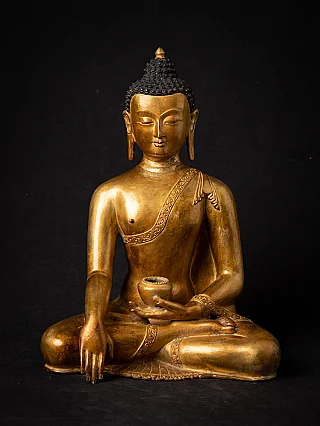
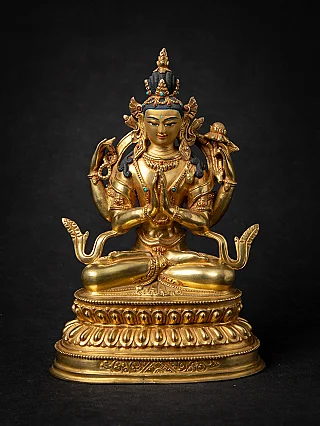
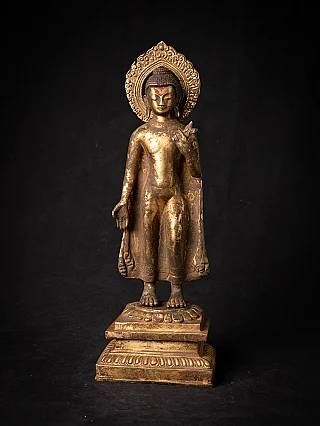
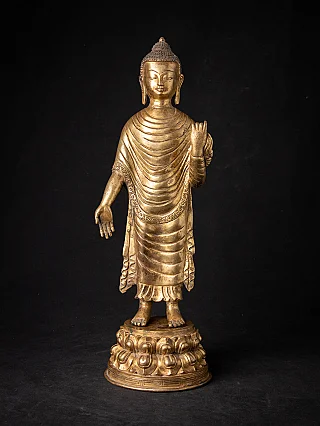
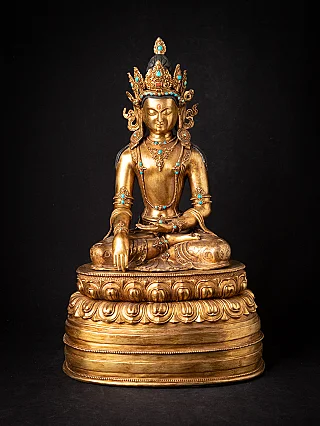
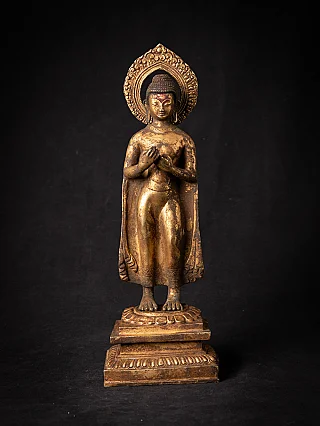
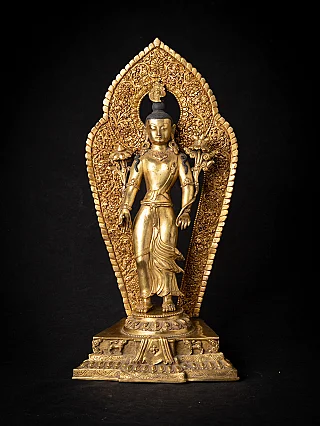
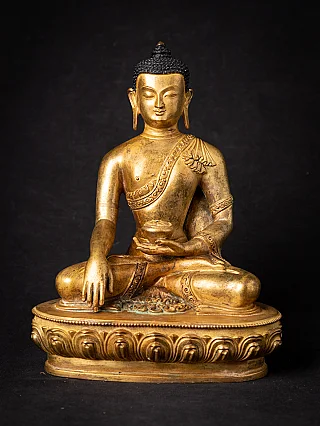
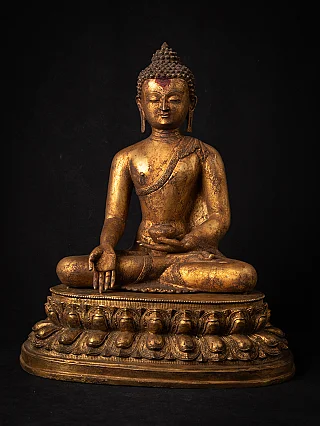
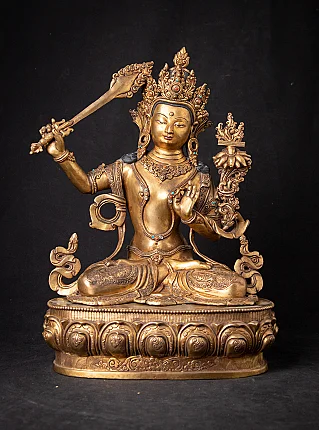
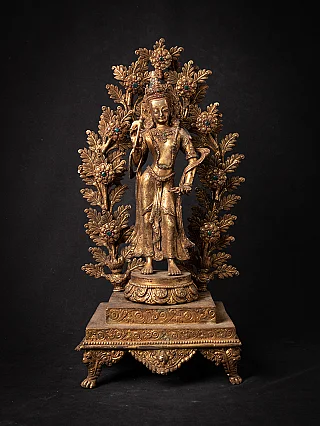
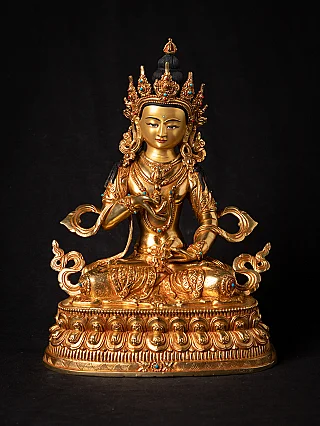
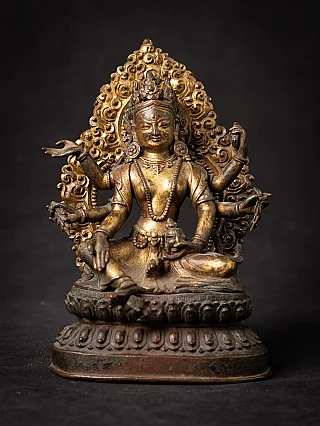
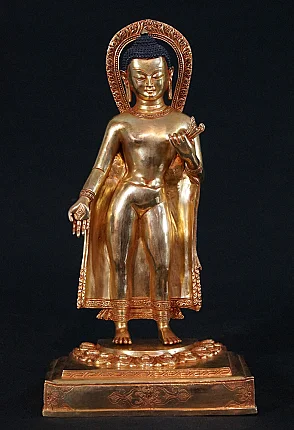
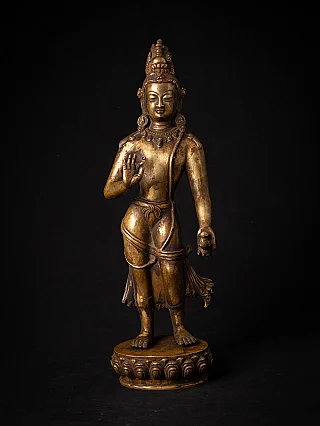
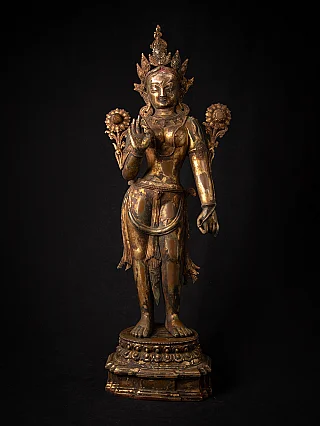
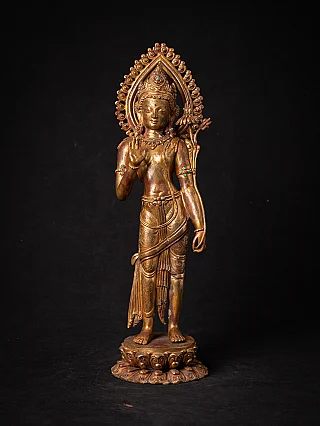
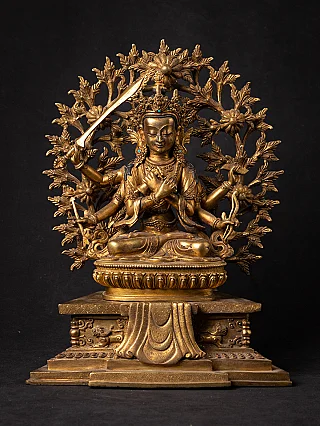
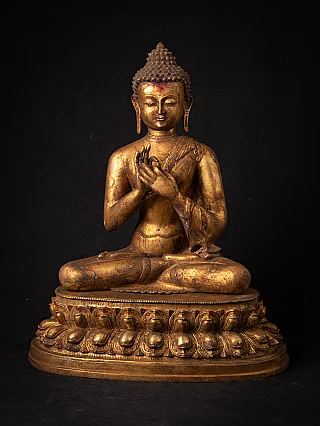
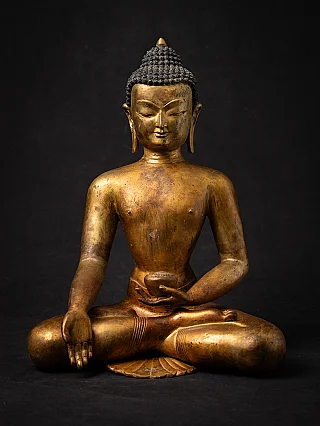
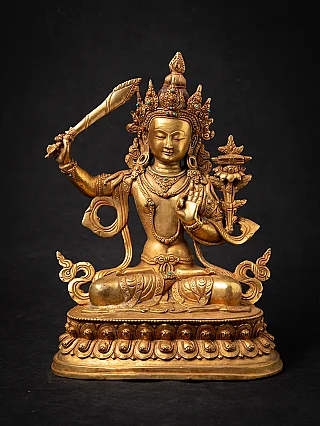
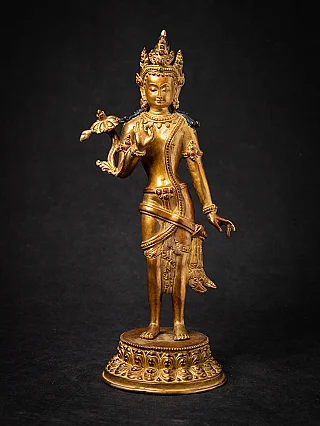
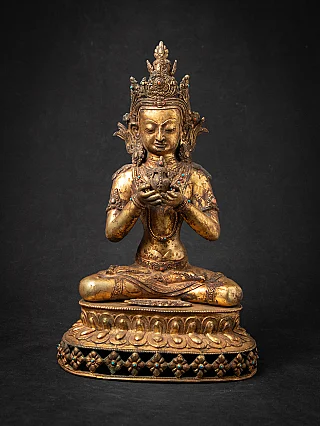
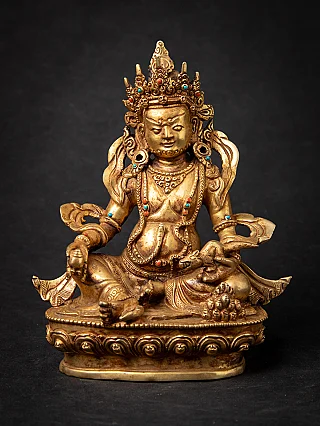
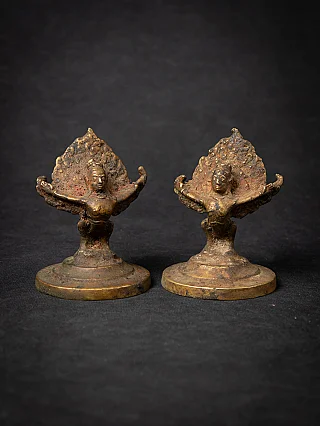
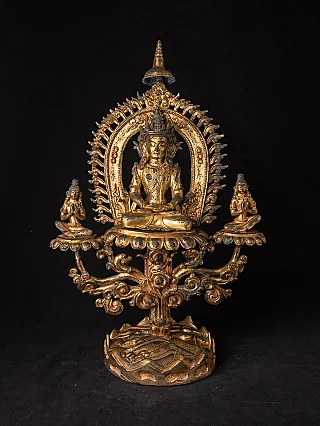
From India, the trip continued to the Kathmandu Valley, with visits to both Kathmandu and Lalitpur (Patan). Lalitpur remains internationally recognized for its metal casting tradition and is widely regarded as one of the most important centers for bronze and gilt-copper sculpture in South Asia.
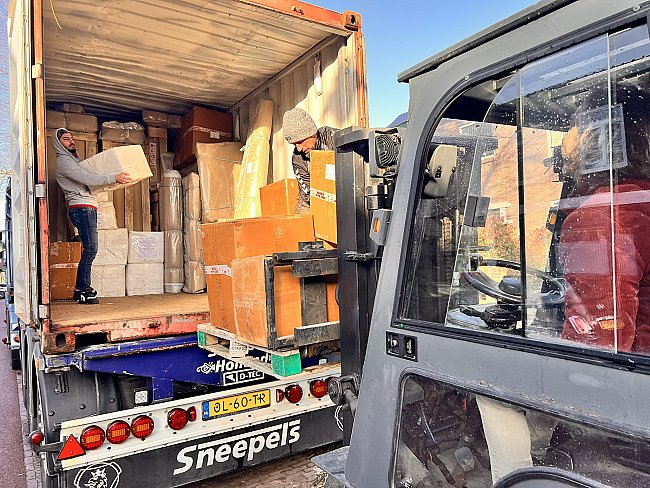
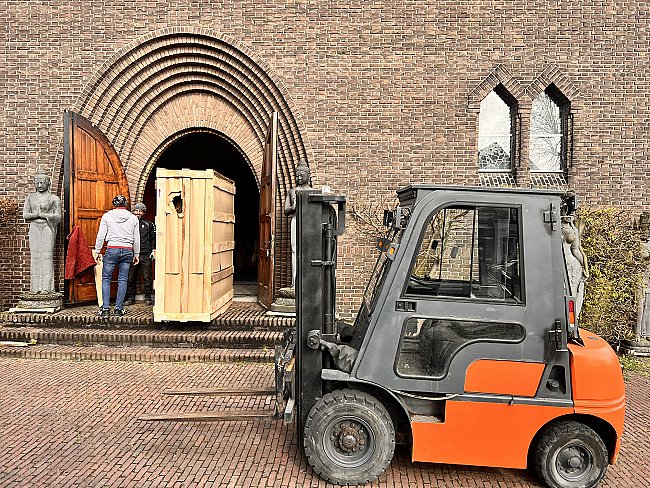
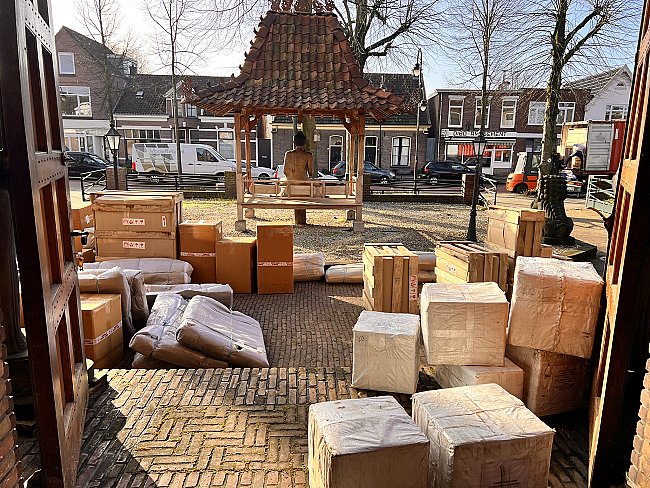
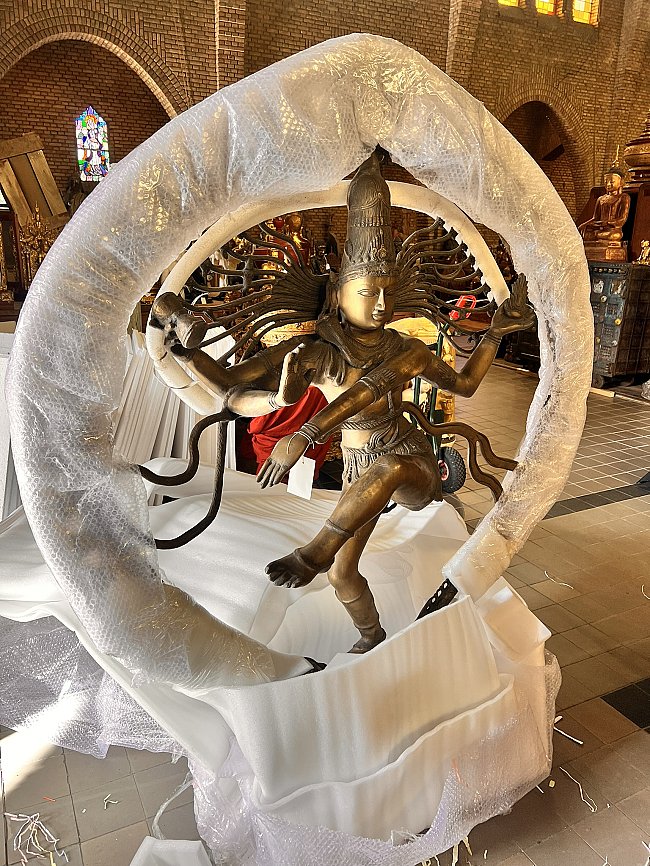
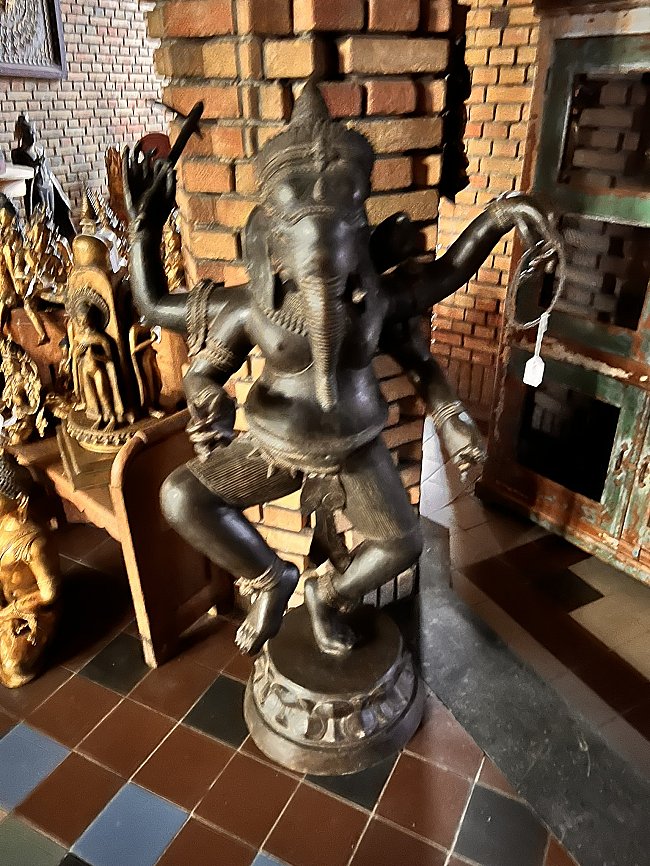
Newar artisans continue to preserve traditional lost-wax casting techniques, producing Nepalese bronze figures of remarkable refinement and precision. The contrast between Indian stone carving and Nepalese metal sculpture highlights two interconnected yet stylistically distinct traditions within South Asian art.
Purchasing trips such as this are essential in maintaining direct knowledge of provenance, craftsmanship, and regional variation in Indian and Nepalese sculpture.
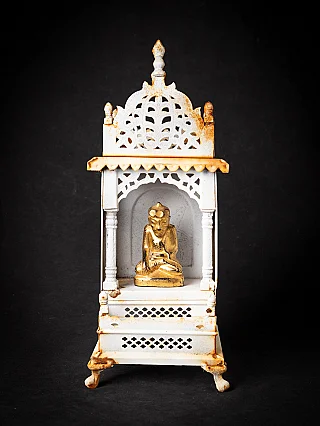
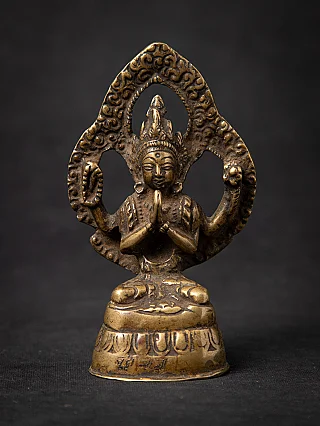
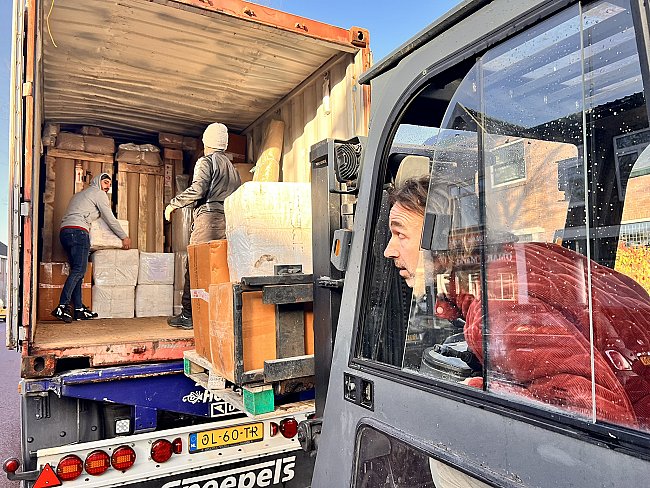
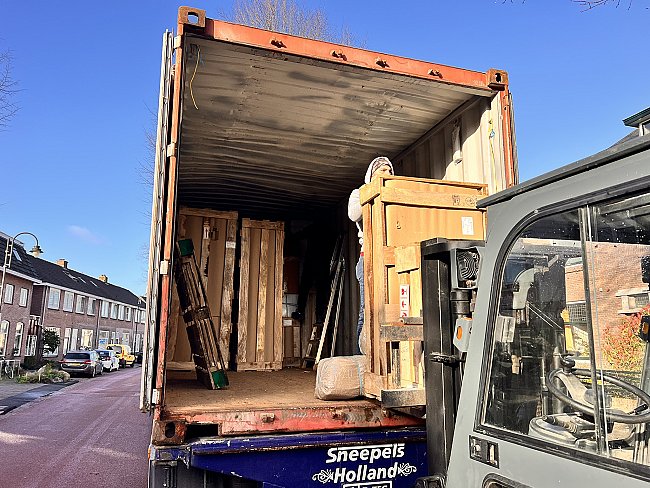
Selected works acquired during this journey will be presented in the coming months.
A Note from Peter
“Traveling through India and Nepal remains one of the most important ways to stay closely connected to the origins of sacred sculpture. Understanding regional materials and craftsmanship firsthand allows us to evaluate authenticity with greater precision.”
Share this page