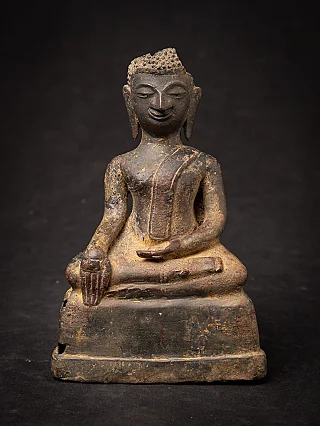
Can Non-Buddhists Practice Buddhist Teachings?
Author : Peter Vredeveld · Published

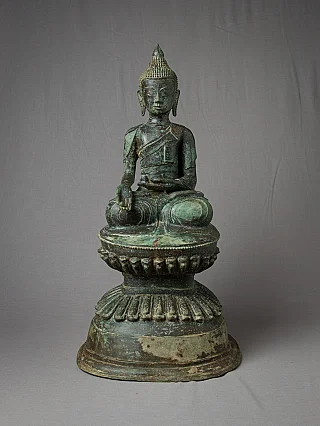
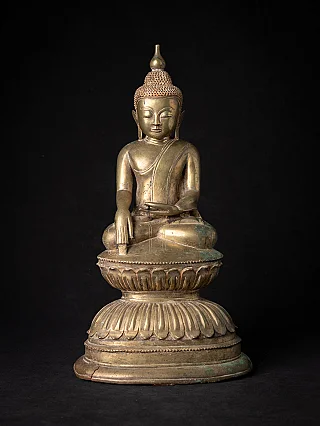
Exclusive collection of Buddha statues
With its rich heritage and universal principles, Buddhism has captivated hearts and minds for over 2,500 years. Originating from the teachings of Siddhartha Gautama, the Buddha, it offers a path to inner peace, mindfulness, and compassion that transcends religious labels. A question often arises as to whether non-Buddhists can incorporate Buddhist teachings into their lives. The answer is simple: yes! Buddhist principles are not bound by religion—they guide anyone seeking a more mindful and meaningful existence.
Buddhism: A Universal Path to Self-Discovery

Buddhism is unique among world religions. While it offers a profound spiritual path, it is often regarded as a philosophy or way of life rather than a traditional religion. It does not require followers to worship a deity, adopt specific rituals, or formally convert. Instead, it alleviates suffering through wisdom, ethical conduct, and mental discipline.
One of the Buddha's most famous teachings highlights this inclusivity:
"Do not believe in anything simply because you have heard it. Test everything and only believe what you experience to be true."
This encouragement for personal exploration makes Buddhist teachings accessible to anyone, regardless of their faith or cultural background.
Key Buddhist Teachings for Non-Buddhists
Buddhism offers practical tools and principles that anyone can embrace, regardless of their spiritual orientation:
1. Mindfulness and Meditation
Mindfulness, the practice of being fully present, is a cornerstone of Buddhism. Through meditation, individuals can develop self-awareness, reduce stress, and improve emotional well-being.
- Simple Practices: Start with mindful breathing, paying attention to your sensations, or engaging in activities like walking or eating with full awareness.
- Scientific Validation: Numerous studies confirm the benefits of meditation for mental and physical health, making it a favorite among secular practitioners.
2. Compassion and Loving-Kindness
Buddhism emphasizes compassion for all living beings. Practices like Metta Bhavana (loving-kindness meditation) can help individuals foster empathy, heal relationships, and cultivate a more compassionate outlook.
3. Ethical Living
The Five Precepts of Buddhism—avoiding harm, dishonesty, theft, harmful speech, and overindulgence—are ethical guidelines anyone can follow. These principles align with universal values and promote harmony in daily life.
4. Non-Attachment
A core Buddhist teaching is letting go of attachments to material possessions, rigid ideas, or unhealthy relationships. By practicing non-attachment, individuals can experience greater freedom, resilience, and inner peace.
5. The Law of Cause and Effect (Karma)
Karma teaches that actions have consequences, encouraging mindfulness and accountability. While often misunderstood, its essence lies in fostering intentional and ethical behavior.
Buddha Statues: Symbols of Wisdom and Guidance
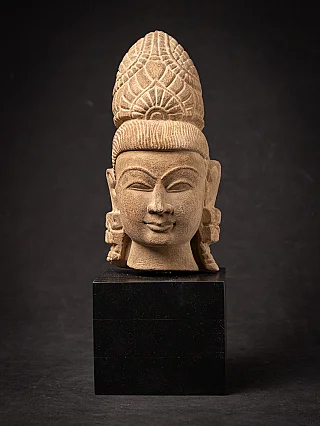
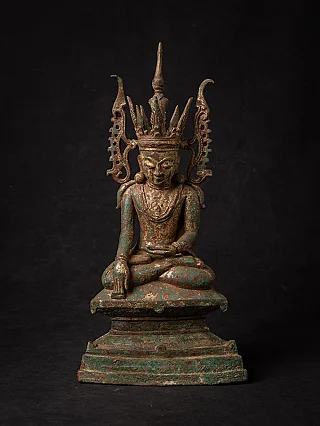
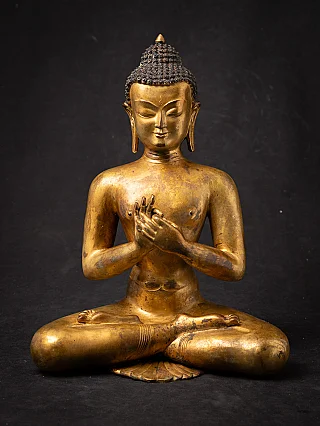
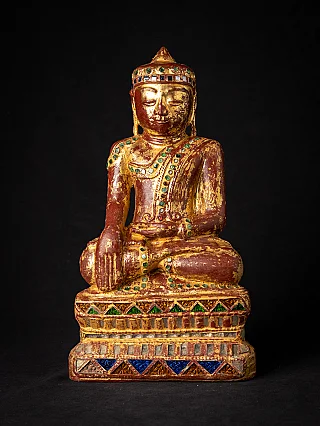
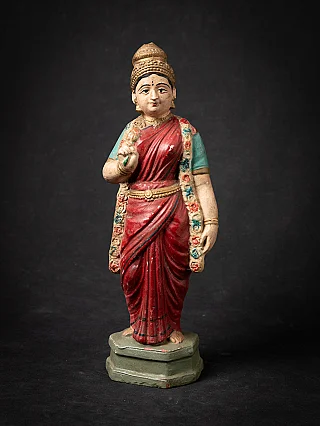
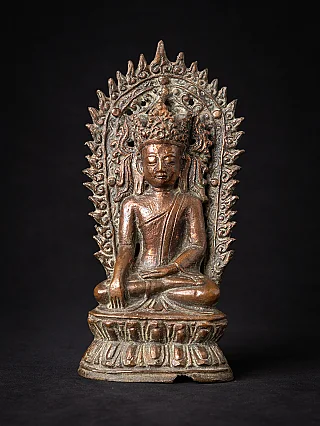
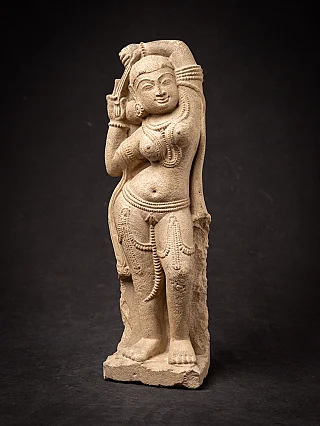
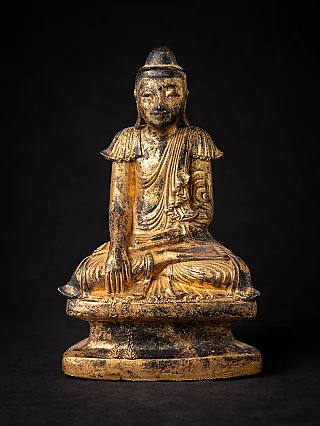
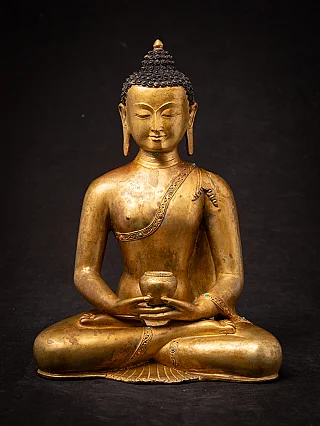
Collection of beautiful Buddha statues
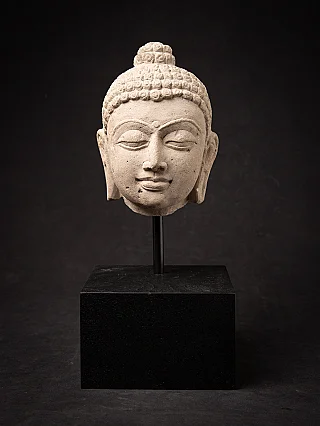
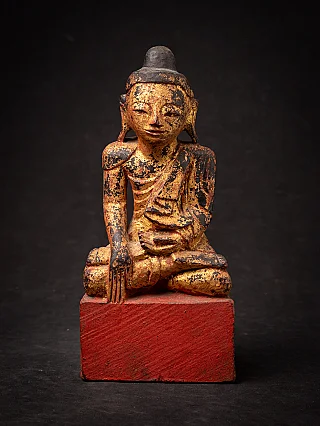
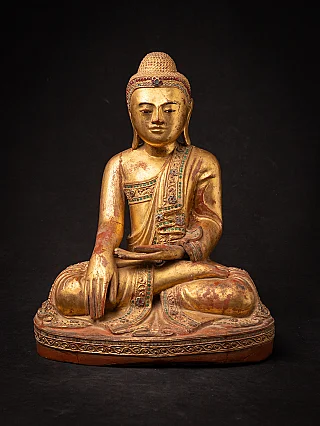
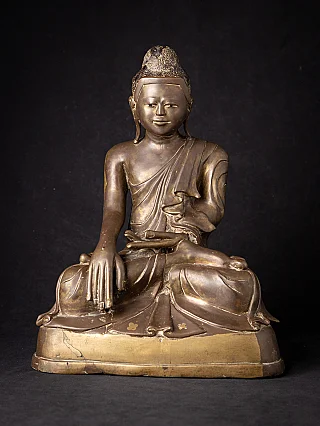
For many non-Buddhists, Buddha statues are visual reminders of the teachings they wish to incorporate. Whether in homes, meditation spaces, or gardens, these statues symbolize mindfulness, compassion, and the journey to enlightenment.
- Inspiration for Practice: A Buddha statue can encourage meditation and mindfulness by providing a calming focal point.
- Cultural Appreciation: Incorporating Buddha statues into daily life also fosters a deeper connection to the cultural heritage behind the teachings.
Practical Applications in Modern Life

Buddhist teachings have found their way into various secular fields, proving their relevance beyond religious contexts:
- Education and Healthcare: Mindfulness programs are widely implemented in schools and hospitals to enhance mental health and emotional resilience.
- Workplace Wellness: Companies like Google and Apple promote meditation and mindfulness to boost employee productivity and well-being.
- Everyday Life: From managing stress to improving relationships, Buddhist practices offer tools for gracefully navigating life's challenges.
Benefits for Non-Buddhists
Embracing Buddhist principles can lead to profound personal growth and transformation:
- Mental Well-Being: Meditation reduces stress, anxiety, and depression while enhancing focus and emotional stability.
- Stronger Relationships: Compassion practices nurture empathy and kindness, strengthening connections with others.
- Clarity and Purpose: Mindfulness fosters self-awareness, helping individuals prioritize what truly matters.
- Inner Freedom: Non-attachment helps reduce materialism and the fear of loss, creating a more balanced and joyful life.
Challenges to Consider
While Buddhist teachings are open to all, non-Buddhists should approach them with respect and awareness:
- Cultural Sensitivity: Understand Buddhist historical and cultural context to avoid misappropriation.
- Commitment: Practices like mindfulness and meditation require consistency to reap long-term benefits.
- Depth Over Trend: Avoid treating these teachings as fleeting; engage with them meaningfully to experience their impact.
Universal Teachings
Buddhism's universal teachings offer practical tools for anyone seeking inner peace, personal growth, and a deeper connection to life. Whether you identify as Buddhist or not, incorporating mindfulness, compassion, and ethical living can transform your outlook and enrich your daily experiences.
The Buddha's wisdom transcends labels and boundaries, reminding us that enlightenment is not exclusive—it's a path open to all who seek it. By exploring and embracing these teachings, supported by symbols like Buddha statues, you can embark on a journey of self-discovery guided by timeless principles that resonate across cultures and beliefs.
So, can non-Buddhists practice Buddhist teachings? Absolutely. All it takes is an open mind, a willingness to learn, and the courage to embark on a path of inner transformation. After all, as the Buddha himself said:
"You, yourself, as much as anybody in the entire universe, deserve your love and affection."
Share this page






-small_webp.webp)