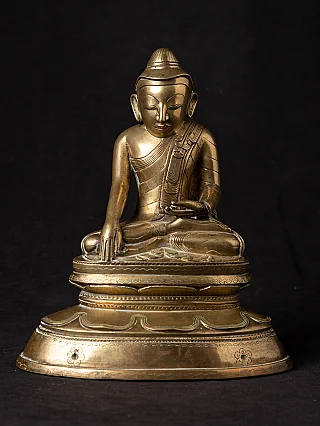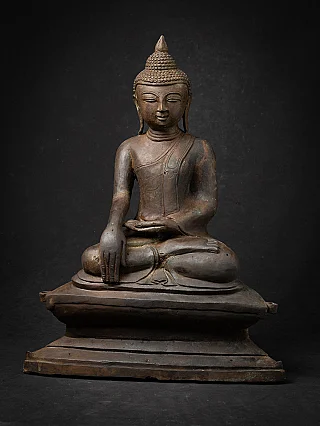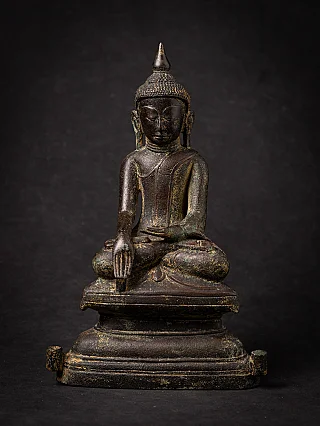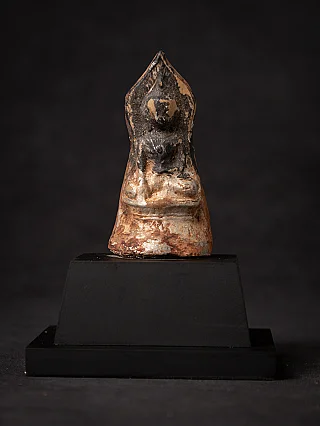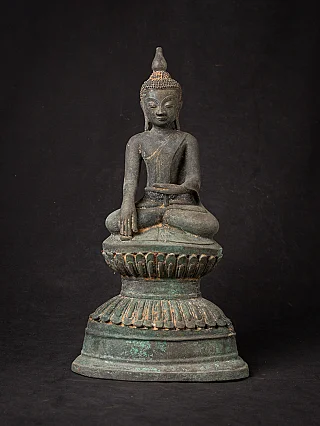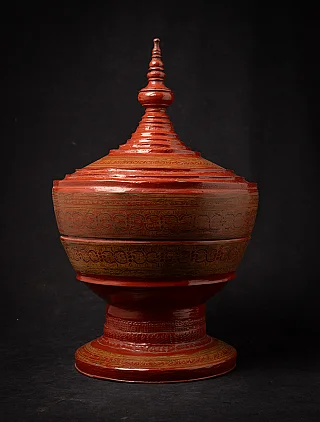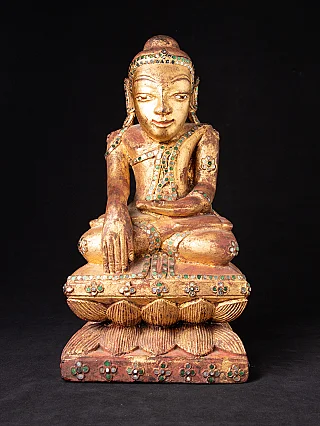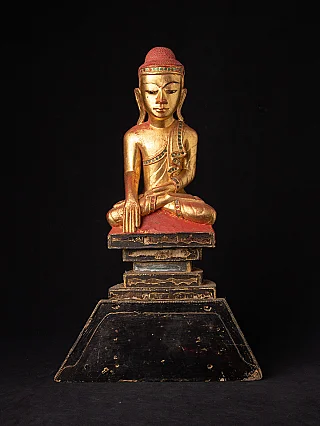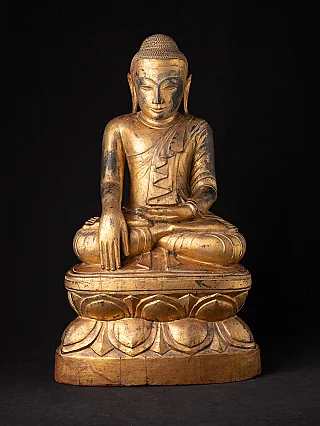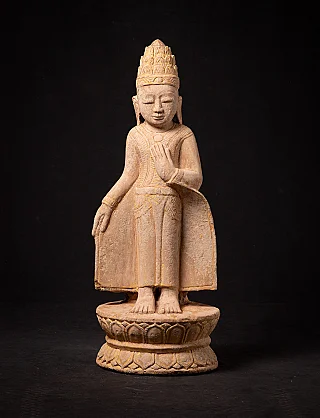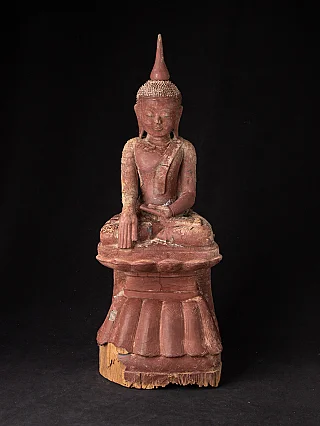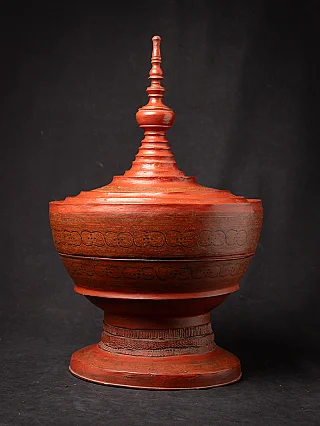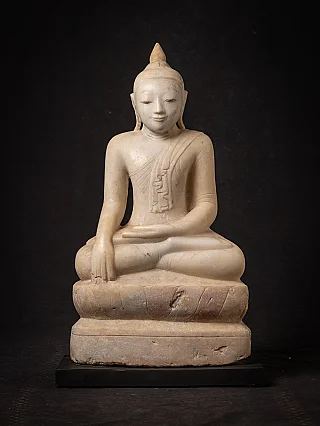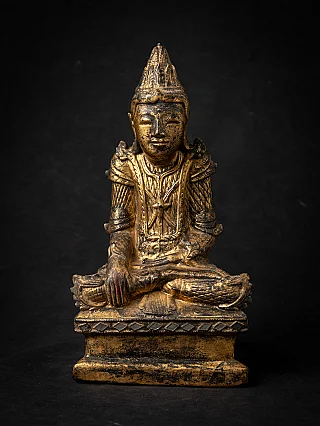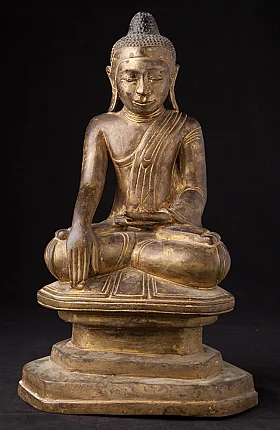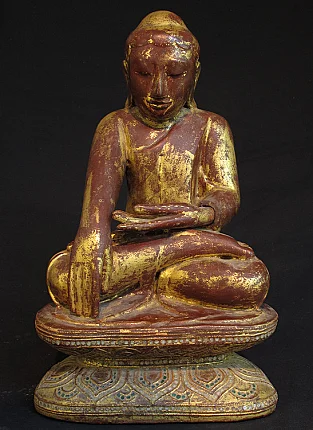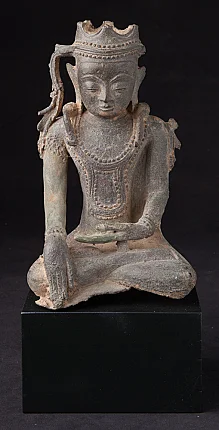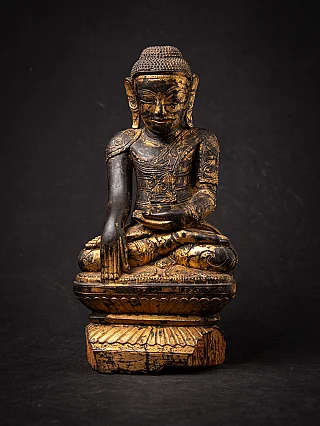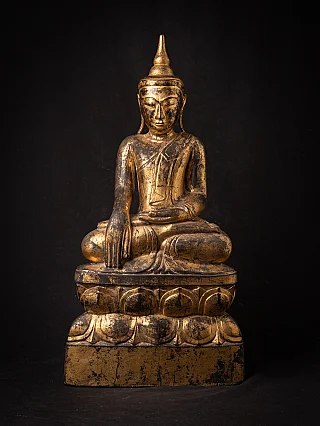
Shan (Tai Yai) period: 1315 – 1948

The Tai-Shan people are believed to have migrated from Yunnan in China.
The Shan, who call themselves Tai, form one section of the large Tai ethnic group, now believed to have originated from Southeast China and spread through Vietnam, Laos, Thailand, Burma, and Assam. Shan legends indicate that they were already in the part of Burma that they still inhabit as early as the mid-11th century. The word "Shan" comes from the same root as Siam; they were known as the Syam in Bagan.
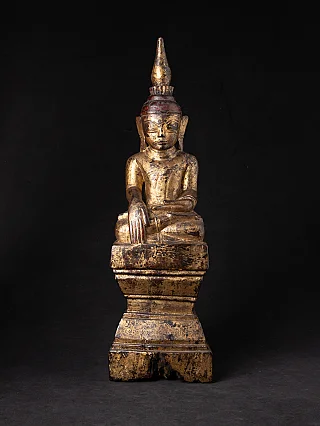
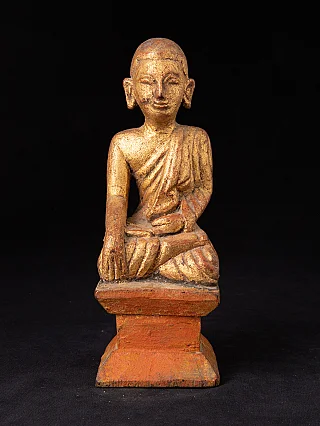
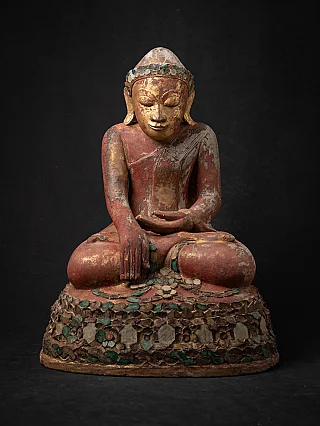
The Shan period, lasting from 1315 to 1948, marked a pivotal time in developing Buddhist art across Southeast Asian regions, particularly in Burma (Myanmar). The Tai-Shan people, originally from Yunnan, China, migrated southward and significantly influenced the art, culture, and religion of their new homeland. The Buddha statues created during this period reflect the Shan people's devotion to Buddhism and their distinct artistic legacy, combining spiritual symbolism with regional stylistic elements.
History

The history of the Shan people is deeply intertwined with the cultural evolution of Southeast Asia. The Tai-Shan, who call themselves "Tai," are one segment of a broader ethnic group that spread through Southeast China and into countries such as Vietnam, Laos, Thailand, and Burma. Shan legends and historical records suggest that they had settled in parts of Burma as early as the mid-11th century, although their influence became more pronounced from the 14th century onwards.
During this period, the Shan people established their kingdoms within Burma, maintaining a strong sense of identity and contributing to the country's cultural landscape. They were known as the "Syam" in the Bagan period, a term related to "Siam," the historical name for Thailand, highlighting a shared cultural and ethnic heritage across modern borders. The political power and stability they achieved allowed them to develop a unique form of Buddhist art, with Shan Buddha statues standing as prime examples of this cultural identity.
Characteristics

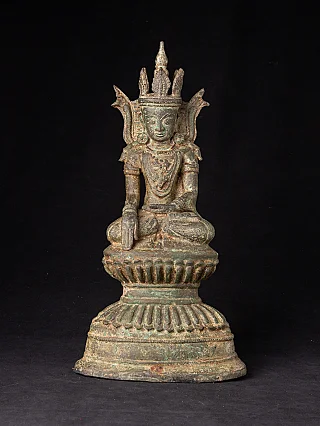
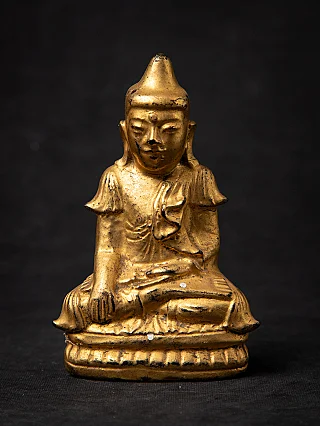
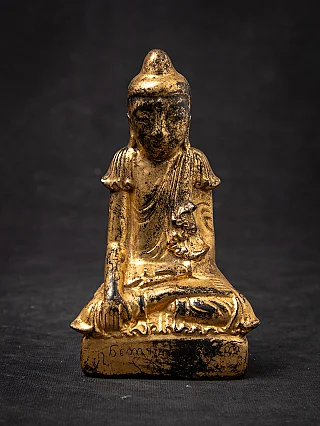
The Shan Buddha statues from this period exhibit distinct stylistic elements that set them apart from other Burmese and Southeast Asian statues:
- Facial Features: These statuestypically have soft, rounded faces with a gentle, compassionate expression. While some can appear slightly triangular, the overall look is smooth and warm rather than sharp or angular.
The expression is serene, embodying inner peace. - Eyebrows and Nose: They feature thin, gracefully arched eyebrows that flow into the nose bridge. The eyes are half-closed and almond-shaped, creating a contemplative, meditative appearance.
- Nose and Lips: The nose is usually long and straight, not pointed. The lips form a small, relaxed, gentle smile — one of the trademarks of Shan style — rather than thin or tightly pursed lips.
- Ears: Elongated earlobes are common, symbolizing wisdom and renunciation.
- Neck: The neck is generally smooth and proportionate, sometimes with faint neck lines (not unusually short). It contributes to the calm, balanced presence of the statue.
- Posture: Most Shan Buddha statues are seated in Vajrasana (diamond posture) with the hands in Bhumisparsha Mudra, symbolizing the Buddha's enlightenment under the Bodhi tree.
- Thrones and Crowns: Shan Buddhas often sit on simple or moderately decorated lotus bases. Highly ornate crowns or large ear flanges are not typical of Shan style — those features belong more to royal Mandalay style or Burmese crowned Buddha (Jambupati) figures.
Early Shan statues are usually uncrowned with minimalist beauty.
The combination of these features results in statues that are visually striking yet spiritually serene. The craftsmanship deeply respects Buddhist teachings, inner peace, and enlightenment ideals.
Symbolism
Shan Buddha statues carry rich symbolic meanings. The Bhumisparsha Mudra, representing the Buddha calling the earth to witness his enlightenment, signifies inner strength, triumph over adversity, and the ultimate realization of truth. These statues are not merely religious icons; they embody the core values of Buddhism, such as wisdom, compassion, and resilience.
Other symbolic elements, such as the elongated earlobes and the lotus throne, highlight the Buddha's journey from prince to spiritual leader. The long ears represent the Buddha's ability to hear the cries of all beings. At the same time, the lotus throne symbolizes purity, as the lotus flower grows in muddy water but blooms without being tainted. For the Shan, these statues were powerful reminders of the spiritual path and the potential for inner peace amidst life's challenges.
Evolution and Influences
The evolution of Shan Buddha statues reflects the dynamic interplay of local and external influences. As the Shan people migrated and established their kingdoms, they absorbed elements from the Mon, Thai, and Bagan artistic traditions, creating a hybrid style that was distinctly Shan yet reflective of the broader cultural landscape of Southeast Asia.
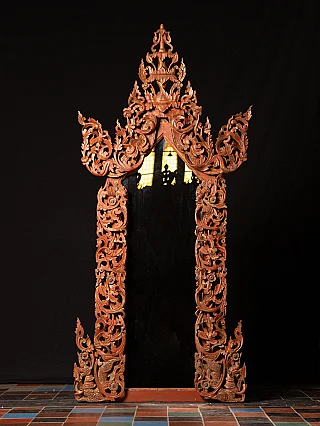
Chinese influence is visible in confident stylistic choices, such as the statues' regal postures and intricate details in the crowns and thrones. The elaborate crowns in later statues, especially those from the 17th century onward, reveal the influence of Tai and Chinese royal aesthetics, with Buddhist symbolism seamlessly integrated into these decorative features. As a result, Shan Buddha statues embody a blend of simplicity and grandeur, a visual representation of the region's cultural and spiritual fusion.
Importance
Shan Buddha statues are cherished as spiritual symbols, historical artifacts, and cultural heritage. Their significance lies in their religious value and representation of a period when the Shan people asserted their identity through art and faith. These statues continue to draw the interest of collectors, historians, and spiritual practitioners, serving as tangible links to a golden era of Burmese art and spirituality.
Today, Shan Buddha statues are vital for preserving the cultural memory of the Tai-Shan people. They offer a window into the past, allowing future generations to appreciate the skill, devotion, and creativity of Shan artisans. Preservation efforts by museums, cultural organizations, and private collectors ensure that these artifacts remain accessible and valued, protecting the legacy of Shan Buddhist art and its place in the broader history of Southeast Asia.
Share this page