Burmese Water Festival
Author : Peter Vredeveld · Published

Thingyan is a festival celebrated across Myanmar (Burma) as a New Year festival. Thingyan translates to 'transit [of the Sun from Pisces to Aries],' which usually falls around April in the Burmese month of Tagu. The Buddhist festival is celebrated for four to five days. Previously, the festival dates were calculated according to the traditional Burmese lunisolar calendar. Recently, the festival dates have been fixed according to the Gregorian calendar, making the festival last from the 13th to the 16th of April. One of the most important festivals in Myanmar is the festival, which takes place during the hottest time of the year. What better way to cool down than splashing or dousing one another with cold water using any vessel?
The Origin of the Water Festival - Thingyan
The origin of Thingyan comes from the Buddhist version of a Hindu myth. The king of Brahma, named Arsi, lost a wager to the King of the Devas (Gods), Sakra. Sakra decapitated Arsi as agreed, and an elephant's head was kept as a replacement for Arsi's body, who then became Ganesha. Brahma was so powerful that if the head were thrown into the sea, the water would dry up. Similarly, if the head were thrown onto the land, the land would be scorched. If it were thrown into the air, the sky would burst into flames. Sakra then ordered Brahma's head to be carried by one princess devi after another, taking turns for a year each. The New Year henceforth has come to symbolize the changing of hands of Brahma's head.
The Water Festival
On the eve of the festival, the Burmese people enjoy various activities like music, song, dance, and other merrymaking activities in anticipation of the water festival. Every neighborhood has well-decorated bamboo or wood pavilions and stages.
Serious water-throwing begins only on the first day of A-kya nei in most parts of the country, although there may be exceptions in some areas. Traditionally, the festival involved sprinkling scented water in a silver bowl using Jambul sprigs. This practice is continued in rural areas. The sprinkling of water is believed to "wash away" one's sins from the previous year. In major cities, giant syringes of bamboo, brass, or plastic, garden hoses, water pistols, and other devices are used to squirt water, in addition to the gentler bowls and cups. Similarly, water balloons and fire hoses are also used to squirt water at people. As it is the hottest time of the year in Burma, most people welcome an excellent splash of cool water.
The third day is A-kyat nei (there may be two days for this particular occasion in specific years). The fourth day is A-tet nei, when Thagya Min returns to the heavens, marking the last day of the water festival.
Celebrations Across Myanmar
Thingyan is not just a festival but a time of immense joy and community bonding across Myanmar. From the bustling streets of Yangon to the serene villages of Shan State, the spirit of Thingyan can be felt everywhere.
In Yangon, the largest city in Myanmar, Thingyan celebrations are grand and vibrant. The streets are decorated with colorful banners and lights, and many gather to participate in the festivities. Music blares from speakers and traditional dance performances add to the festive atmosphere.
One of the highlights of Thingyan in Yangon is the traditional procession known as the Padauk Tree Procession. The padauk tree is considered sacred, and during Thingyan, a beautifully decorated padauk tree is paraded through the streets amidst cheers and applause.
In Mandalay, the cultural capital of Myanmar, Thingyan is celebrated with equal enthusiasm. The Mandalay Palace grounds become a hub of activity during the festival, with food stalls, carnival games, and cultural performances attracting locals and tourists alike.
Throughout the country, people fight, throwing water at each other with playful abandon. The water symbolizes purification and renewal, washing away the old year and ushering in the new.
Traditional Rituals and Customs
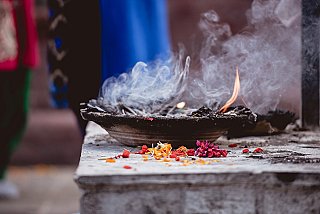
While modern celebrations of Thingyan involve water throwing and revelry, the festival also has deep-rooted traditional rituals and customs.
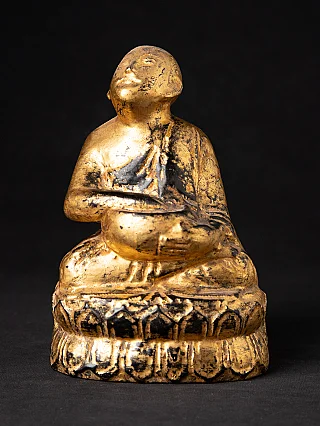
One such ritual is the offering of alms to monks. During Thingyan, devout Buddhists visit monasteries to offer monks food, robes, and other necessities to earn merit.
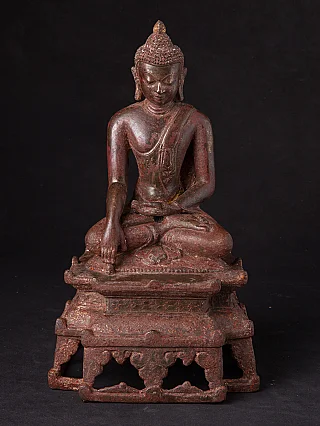
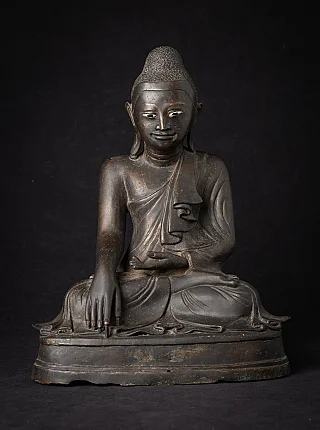
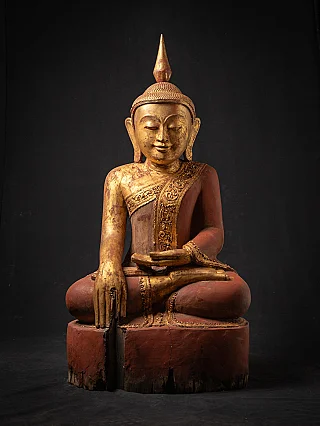
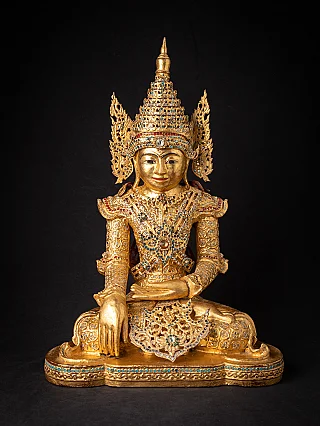
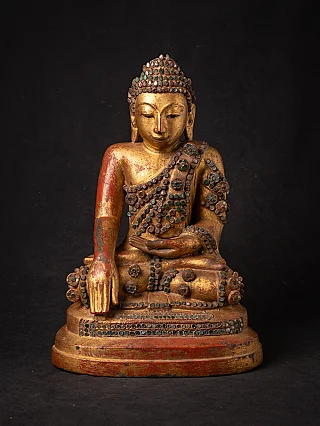
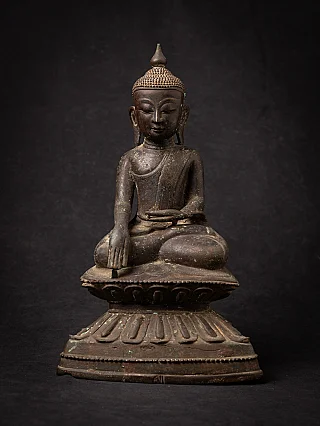
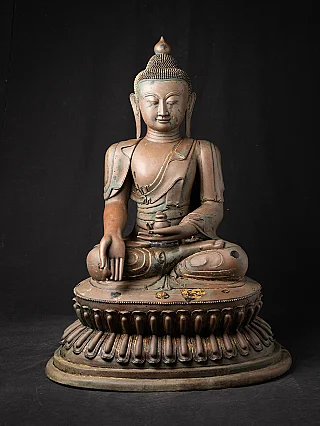
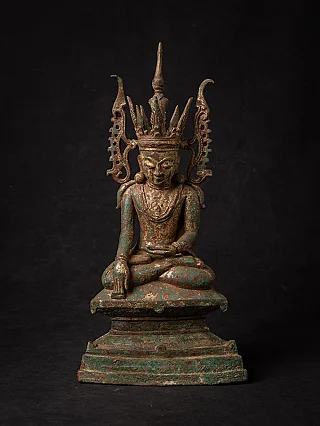
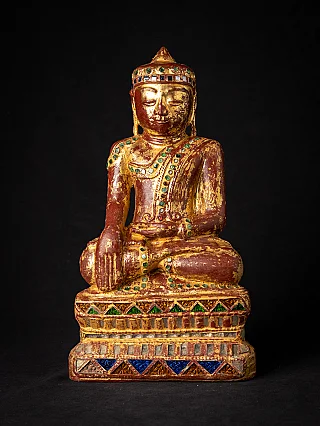
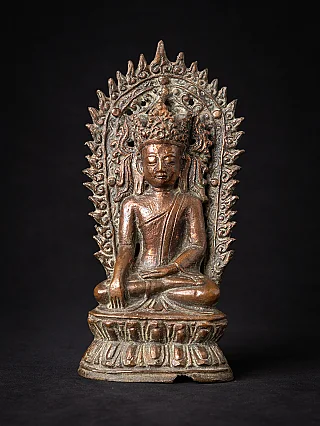
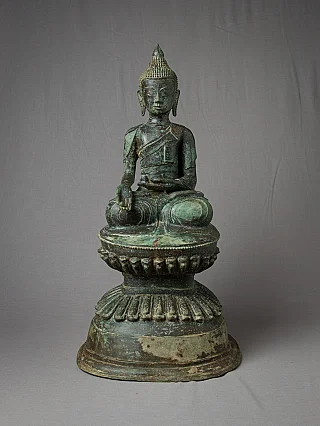
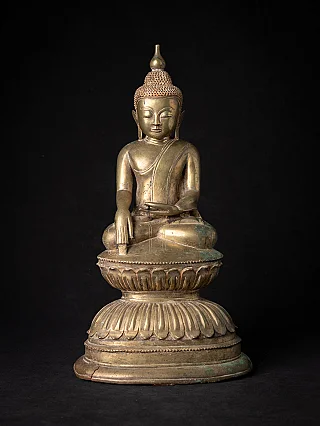
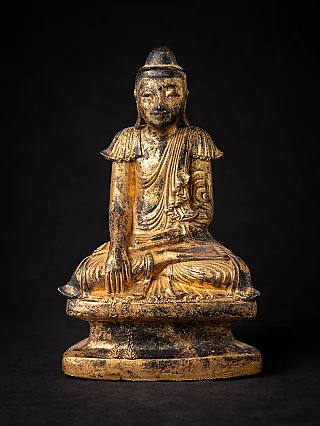
Another critical aspect of Thingyan is the pouring of water over Buddha statues. This symbolic act represents the cleansing of the Buddha and is believed to bring blessings and good fortune.
Many families also engage in acts of charity during Thingyan, donating food and money to the less fortunate to spread joy and compassion.
Regional Variations
While the essence of Thingyan remains the same across Myanmar, regional variations add diversity to the festival.
In the Shan State, for example, Thingyan is celebrated with traditional Shan dances and music. The Shan people, known for their hospitality, welcome visitors with open arms during the festival.
In the Rakhine State, Thingyan is combined with celebrating the Rakhine New Year, creating a unique blend of cultural festivities.
Similarly, ethnic minority groups in Myanmar have their customs and rituals associated with Thingyan, making it a truly inclusive and diverse celebration.
Conclusion
The Burmese Water Festival, or Thingyan, is more than just a New Year celebration; it is a time of unity, joy, and cultural richness. From its ancient origins to modern-day festivities, Thingyan continues to captivate the hearts and minds of the people of Myanmar, showcasing the country's vibrant heritage and traditions.
Share this page


-small_webp.webp)