5 Important artisans around the world
Author : Peter Vredeveld · Published

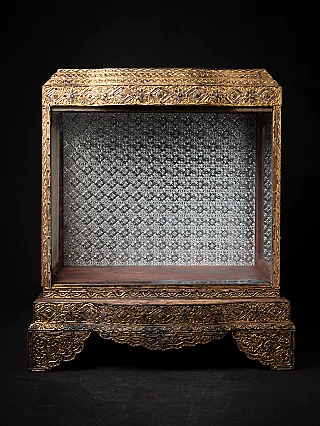
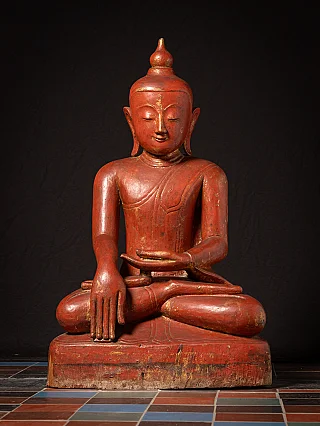
Eye pleasing carved statues in our gallery
The hands of skilled craftsmen from diverse cultures and traditions shape the world of artistry. Their mastery of techniques, attention to detail, and creative vision breathe life into sculptures, paintings, and crafts that reflect centuries of cultural richness and creative expression.
1. Nepal: Preserving Ancient Traditions

Nepal's artisans are renowned for mastering traditional techniques like lost wax casting, wood carving, and metalwork. Their dedication to preserving these ancient methods ensures that each statue carries centuries of cultural heritage and artistic excellence.
1.1 The Legacy of Lost-Wax Casting
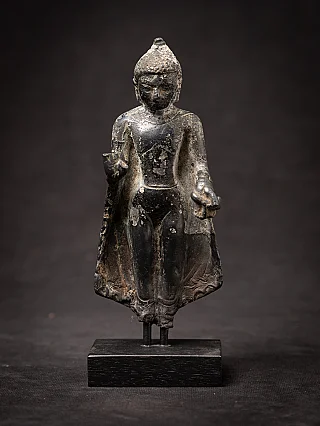
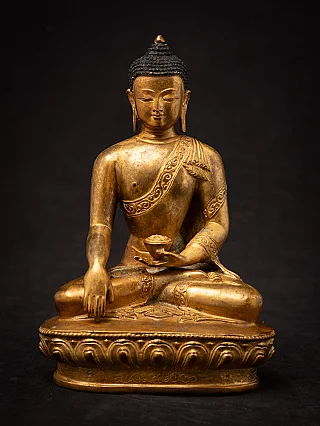
The art of lost-wax casting in Nepalese art is a centuries-old tradition. This meticulous process involves creating a wax model, encasing it in clay, and melting it to make a mold for molten metal. Skilled artisans carefully pour molten bronze into the mold, creating a stunning bronze statue with intricate details and a unique patina.
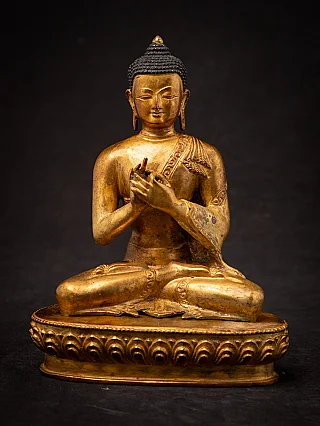
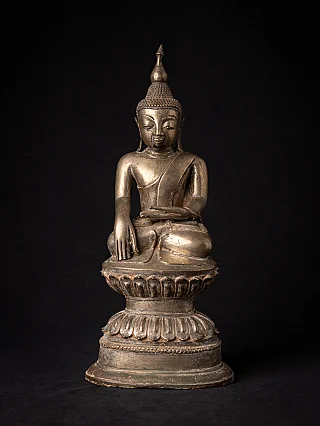
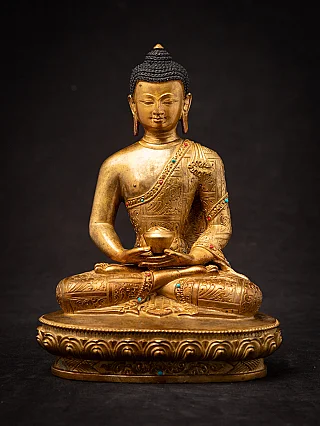
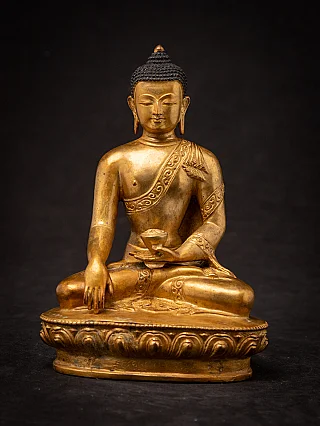
Examples of famous Nepalese bronze statues created using this method include the iconic Shakyamuni Buddha statues in temples across the Kathmandu Valley. These statues embody the spiritual essence of Nepal's rich Buddhist heritage with their serene expressions and symbolic gestures.
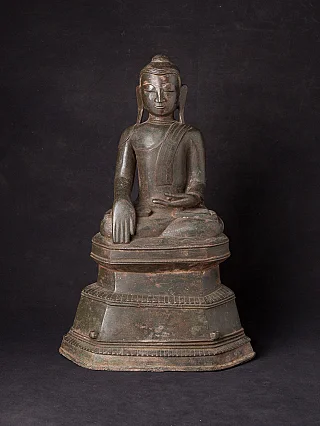
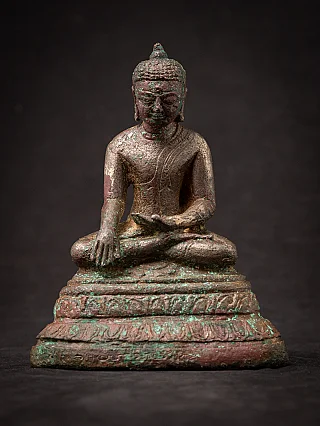
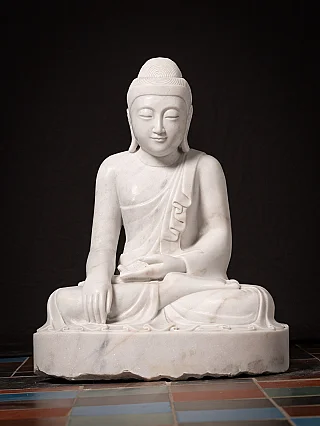
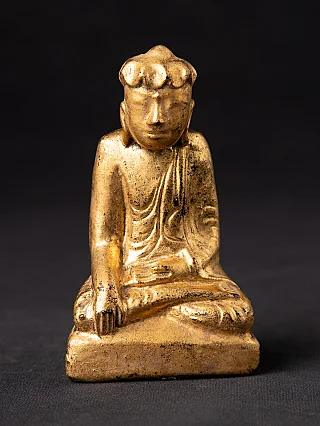
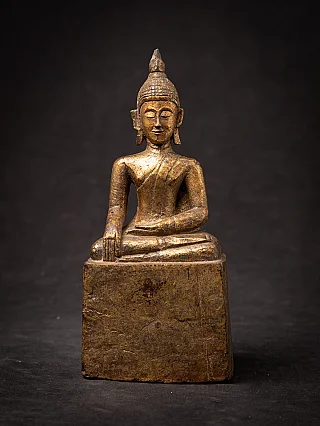
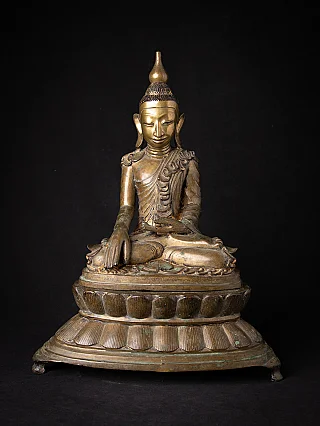
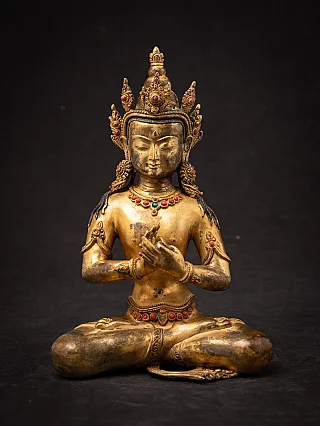
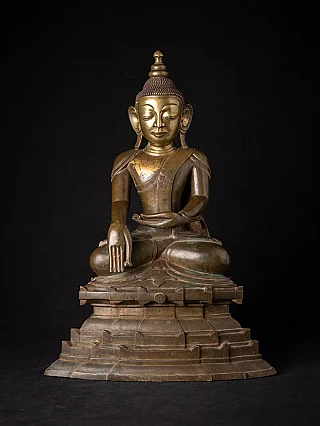
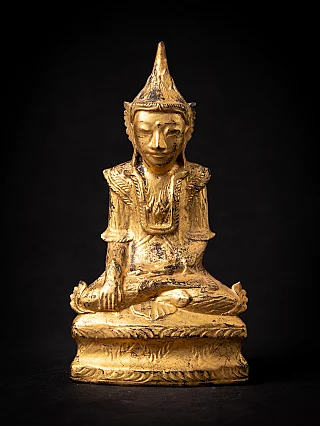
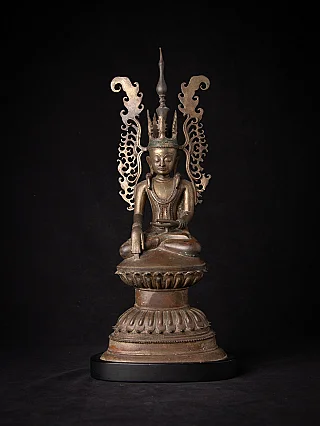
Buddha statues using lost-wax-method
1.2 Wood Carving and Metalwork Mastery
In addition to bronze casting, Nepalese artisans excel in wood carving and metalwork. Often seen in temple facades and architectural elements, wood carvings depict mythological scenes, deities, and intricate patterns. Skilled artisans use traditional tools like chisels and mallets to carve detailed motifs that reflect Nepal's cultural and religious diversity.
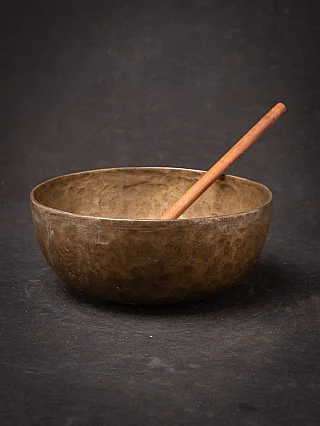
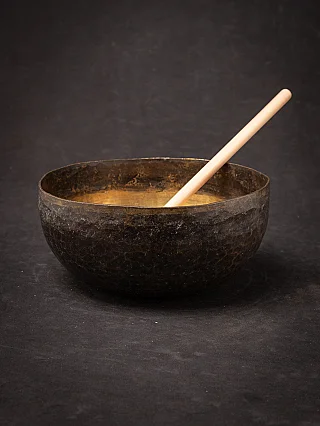
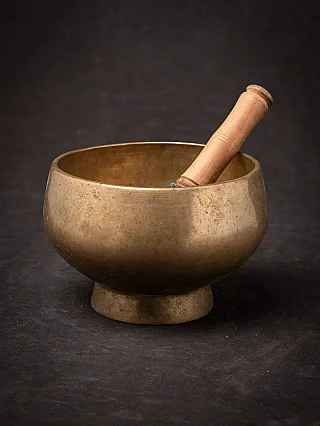
Metalwork in Nepal ranges from ornate temple bells to intricately crafted ritual objects used in religious ceremonies. Artisans employ techniques such as repoussé and chasing to create elaborate designs on brass and copper items, showcasing their mastery of metal craftsmanship.
These crafts' spiritual and cultural significance in Nepal cannot be overstated. Each piece carries a sense of devotion and reverence, making Nepalese artistry a cherished part of the country's cultural identity.
2. India: Spiritual Artistry and Symbolism

India's rich artistic heritage is deeply rooted in spirituality. Artists create intricate sculptures and artworks that reflect the country's diverse religious traditions.
2.1 Stone Carvings: Depicting Hindu Deities
One of the most prominent forms of Indian craftsmanship is stone carving, particularly in regions like Rajasthan and Tamil Nadu. Artisans carve intricate sculptures of Hindu deities like Lord Shiva, Goddess Lakshmi, and Lord Vishnu, each with symbolic attributes and gestures that convey profound spiritual meanings.
The symbolism and intricate details in Indian stone carvings reflect a deep understanding of religious iconography and mythology. These sculptures adorn temples, palaces, and public spaces, embodying divine grace and beauty.
2.2 Brass Sculptures: Craftsmanship and Devotion
Brass sculptures hold a special place in Indian art. Artisans use the lost-wax casting to create stunning pieces depicting gods, goddesses, and mythological scenes. Each sculpture is a labor of love, with artisans infusing devotion and spiritual significance into every detail.
The techniques involved in creating brass sculptures, from sculpting the wax model to the final polishing, require skill and precision. Artisans often work in family workshops, passing down their knowledge and techniques from generation to generation, ensuring the continuity of this ancient craft.
The religious themes and storytelling through metalwork make Indian brass sculptures artistic masterpieces and powerful conduits of cultural heritage and spiritual expression.
3. Thailand: Elegance in Wood and Metal

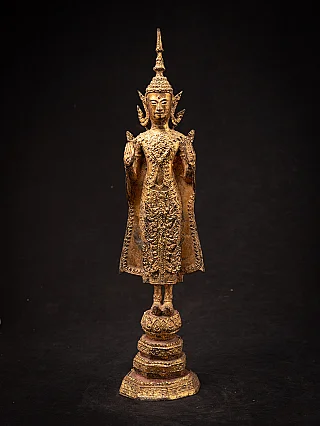
Thailand's artisans are known for their elegance in wood carving and metalwork, creating pieces that embody the country's rich cultural traditions.
3.1 Wood Carving Tradition
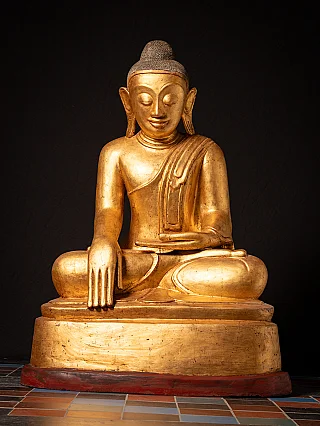
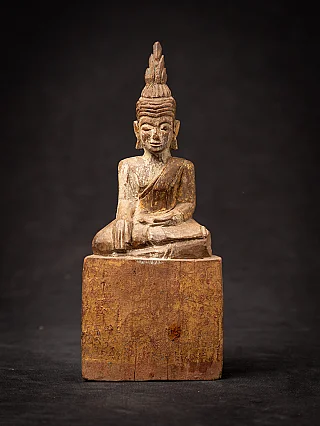
Thai artisans excel in wood carving, crafting intricate sculptures of Buddhist deities, mythical creatures, and floral motifs. These carvings adorn temples, palaces, and traditional Thai houses, showcasing the country's artistic prowess and attention to detail.
Traditional tools like chisels and gouges allow artisans to create delicate patterns and textures that add depth and beauty to their creations. Wood carvings in Thailand often incorporate religious symbolism, each motif carrying layers of meaning and cultural significance.
3.2 Metalwork Mastery
In addition to wood carving, Thai artisans are metalwork masters, creating elaborate designs in brass, bronze, and silver. From decorative items like lanterns and trays to ceremonial objects used in temples, Thai metalwork reflects a blend of tradition and innovation.
Techniques such as repoussé, where metal is shaped by hammering from the reverse side, and chasing, which involves refining details with specialized tools, showcase the skill and craftsmanship of Thai metalworkers. Thai metalwork's intricate designs and decorative elements often draw inspiration from nature, mythology, and religious symbolism, creating aesthetically pleasing and culturally significant pieces.
4. Myanmar (Burma): Lacquerware as Art

Myanmar's tradition of lacquerware craftsmanship dates back centuries. Artists create exquisite pieces adorned with intricate designs and vibrant colors.
4.1 The Art of Lacquerware
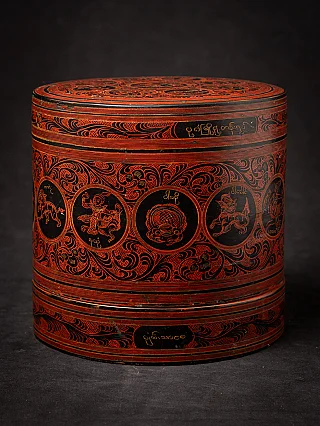
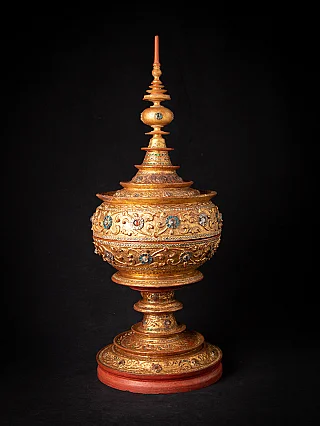
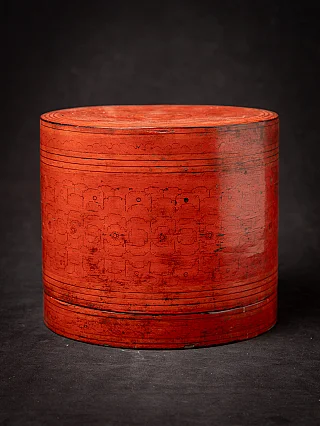
Lacquerware production in Myanmar involves a labor-intensive process that begins with shaping a bamboo or wood base. Layers of lacquer, often derived from tree sap, are applied and polished to create a smooth surface. Artisans then meticulously paint intricate designs using natural pigments, sometimes incorporating gold leaf for embellishment.
The result is a stunning piece of lacquerware, whether a decorative bowl, box, or vase, showcasing the artistry and skill of Burmese artisans. The vibrant colors and detailed patterns often depict mythology, nature, and daily life scenes, offering a glimpse into Myanmar's cultural heritage.
4.2 Techniques and Symbolism
The techniques involved in lacquerware require patience and precision, with artisans spending weeks or months on a single piece. Symbolism plays a significant role in Burmese lacquerware, with motifs representing blessings, prosperity, and spiritual beliefs.
Modern adaptations and innovations in lacquerware artistry have expanded the range of designs and styles, blending traditional craftsmanship with contemporary aesthetics. Burmese lacquerware continues to be prized for its beauty, craftsmanship, and cultural significance, making it a cherished art form locally and internationally.
5. Indonesia: Diversity in Stone and Wood

A diverse range of styles and techniques characterizes Indonesia's artistic heritage. Artists create intricate stone carvings and wooden sculptures that reflect the country's cultural richness.
5.1 Bali's Stone Carvings: Mythology and Expression
Indonesian lavastone carvings are renowned for their intricate details and expressive forms, often depicting mythological figures, deities, and scenes from traditional folklore. Artisans in Bali use volcanic rocks like lava stone or sandstone to carve statues that adorn temples, shrines, and public spaces. The symbolism and storytelling through Balinese stone carvings reflect the island's profound spiritual beliefs and cultural traditions. Each motif carries layers of meaning, from protection and prosperity to narratives of heroism and mythology.
5.2 Javanese Wood Sculptures: Tradition and Craftsmanship
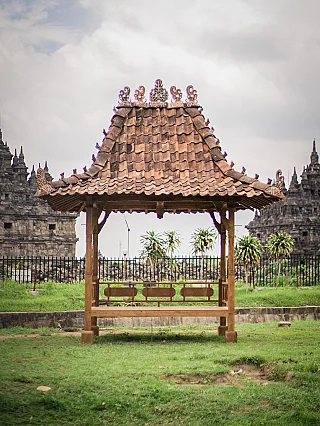
Java, another cultural hub in Indonesia, is known for its ornate wood sculptures that showcase Javanese culture and heritage. Artisans use tropical hardwoods like teak and mahogany to create sculptures of gods, goddesses, and mythical creatures, often with intricate floral and geometric patterns.
The techniques and tools used in Javanese wood carving, such as adzes and carving knives, require skill and precision. Artisans draw inspiration from ancient epics like the Ramayana and Mahabharata, infusing their sculptures with narratives and symbolism that resonate with Javanese traditions.
The influence of history, religion, and folklore on Javanese wood art makes each piece a reflection of Indonesia's cultural tapestry, celebrating the country's artistic diversity and craftsmanship.
Share this page