Dashain and Navratri: One Goddess, Two Ways to Celebrate
Author : Peter Vredeveld · Published
Every autumn, when the monsoon has gone and the rice is ripening, the Hindu world turns to the goddess Durga. In India, the nine nights of Navratri end with Dussehra. In Nepal, the same nine nights grow into Dashain, the biggest festival of the year, which goes on for fifteen days.
Both festivals tell the same story: the victory of good over evil. Yet a family in Kathmandu and a family in Kolkata, Ahmedabad or Delhi will spend these days in very different ways. Below we look at what the two festivals share, where they part, and how the goddess they honour appears in Hindu art.
The story behind the festival
The best-known story is that of the buffalo demon Mahishasura. He had been granted a boon that no man or god could kill him, and he used it to drive the gods out of heaven. The gods combined their powers and created Durga, a goddess riding a lion and holding a weapon in each of her many hands. She fought the demon for nine days and nights and killed him on the tenth. That is why so many statues show her as Mahishasuramardini, the slayer of Mahishasura, standing over the buffalo with her trident.
A second story belongs to the same days. Before his battle with the demon king Ravana, Prince Rama is said to have worshipped Durga for nine days. On the tenth day he won and rescued his wife Sita. In much of India, Dussehra is first of all Rama's victory. In Nepal, the tenth day belongs to the goddess.
Dashain and Navratri dates in 2026
Both festivals follow the lunar calendar and start on the first day of the bright half of the month of Ashwin (Ashoj in Nepal). In 2026 they began together on 11 October.
India (Delhi calendar): Navratri from 11 October, Durga Ashtami on 18 October, Maha Navami on 19 October and Dussehra (Vijayadashami) on 20 October.
Nepal: Ghatasthapana on 11 October, Fulpati on 17 October, Vijaya Dashami with tika on 21 October, and Kojagrat Purnima, the full moon that closes Dashain, on 25 October.
This year the big day falls one day apart: Dussehra in India on Tuesday 20 October, Dashain tika in Nepal on Wednesday 21 October. Each country follows its own official calendar, and regional calendars in India can differ slightly too.
Dashain in Nepal: fifteen days of family
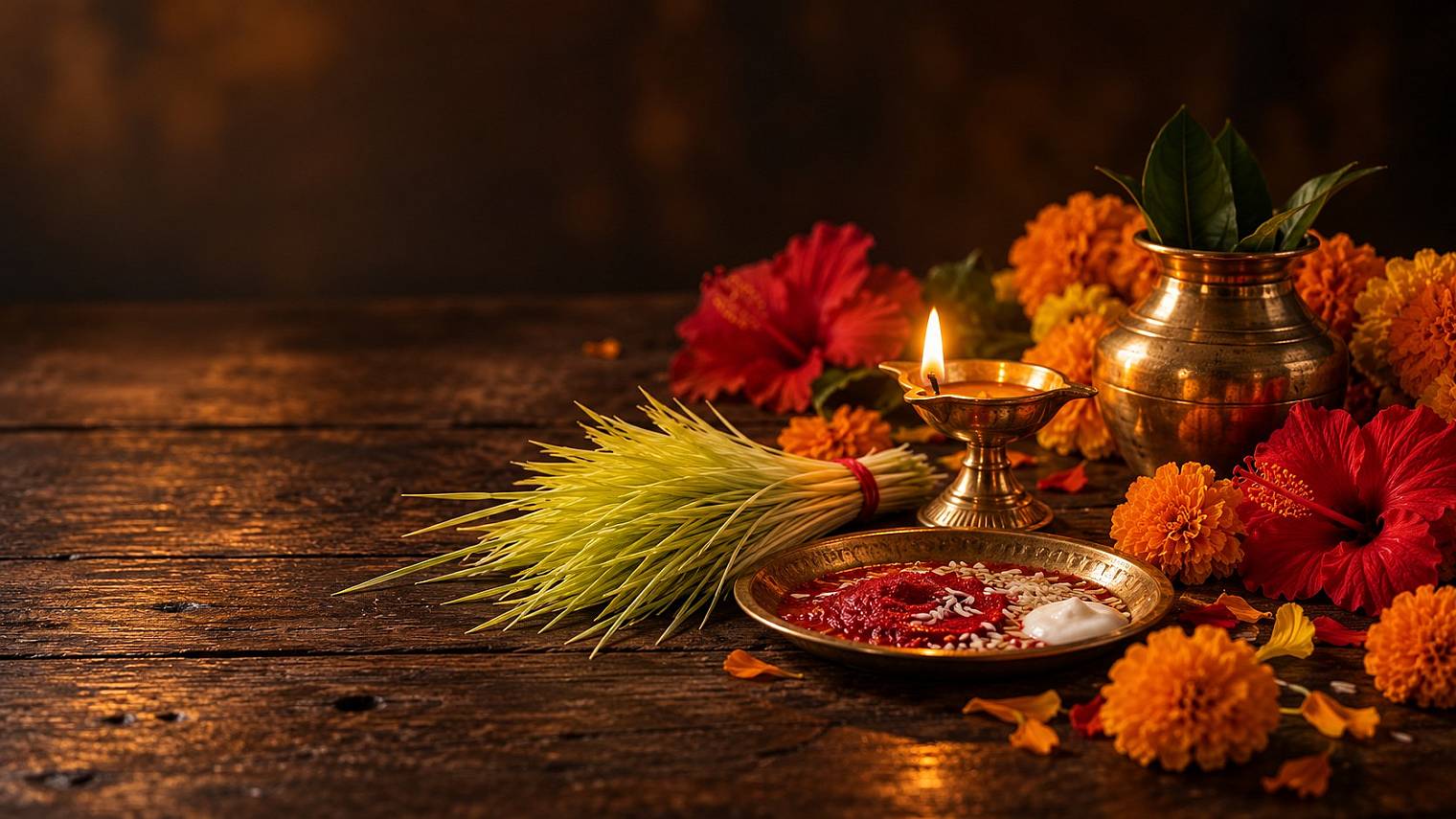
In Nepal, Dashain is less a temple festival than a family one. Offices and schools close, buses are packed, and millions travel home to their villages. New clothes are bought, houses are cleaned and goats are fattened for the feast.
Ghatasthapana (day 1). A clay pot (kalash) representing Durga is placed in a darkened prayer room, and barley seeds are sown in sand around it. For nine days the family waters the seeds and worships the goddess. The shoots grow pale yellow because they never see sunlight. They are called jamara.
Fulpati (day 7). Fulpati means "sacred flowers and leaves". A bundle of holy plants is brought from Gorkha, the old seat of the Shah kings, to Hanuman Dhoka in Kathmandu, where it is welcomed with a parade and a gun salute.
Maha Ashtami and Maha Navami (days 8 and 9). These are the days of Durga's fierce forms, above all Kali. The night of Ashtami is known as Kal Ratri, the black night. Many temples hold animal sacrifices, a tradition that is still followed but also increasingly questioned, and many families now offer pumpkins or coconuts instead. On Navami, people worship their tools and vehicles, and the Taleju temple in Kathmandu Durbar Square, home of the royal goddess of the Malla kings and a form of Durga, opens to the public on this one day of the year.
Vijaya Dashami (day 10). This is the heart of Dashain. Elders mix rice, yoghurt and red vermilion and press it on the foreheads of younger relatives as tika. They place the jamara shoots behind their ears, give a little money (dakshina) and speak a blessing for health, success and a long life. Families travel from one elder to the next for days.
Up to Kojagrat Purnima (day 15). Tika visits continue until the full moon. On that night people worship Lakshmi, goddess of wealth, and stay awake, because Kojagrat means "who is awake?". Children fly kites from the rooftops and bamboo swings called ping go up in the villages.
The Newar community of the Kathmandu Valley calls the festival Mohani and has its own rituals, including a family feast and a black tika made from lamp soot.
Navratri in India: nine nights, many faces
India is a huge country, and Navratri looks different in almost every state. What most regions share is fasting, daily prayer and the worship of Durga's nine forms, the Navadurga, one for each night.
Gujarat dances. Every evening, people gather in their best clothes for Garba and Dandiya Raas, dancing in circles around an image or lamp of the goddess until late at night.
West Bengal builds. Durga Puja is the great festival of Kolkata. Artists spend months making clay images of Durga and her children, which are shown in thousands of decorated pavilions (pandals). On the last day, married women smear each other with vermilion (sindoor khela) and the images are carried to the river and immersed.
North India burns Ravana. Towns stage the Ram Lila, a play of Rama's life that runs for several nights. On Dussehra, huge effigies of Ravana and his brothers, filled with fireworks, are set alight.
South India displays. In Tamil Nadu, Karnataka and Andhra Pradesh, families set up Golu, stepped shelves filled with dolls of gods, saints and village scenes, and invite friends to see them. Tools, books and musical instruments are honoured on Ayudha Puja, and Saraswati, goddess of learning, has her own day. In Mysuru, the Dasara procession carries the goddess Chamundeshwari through the city on a golden howdah.
In many homes in the north, young girls are invited on Ashtami or Navami, have their feet washed and are fed as living forms of the goddess. This is called Kanya Puja.
The main differences at a glance
Length: Navratri lasts nine nights plus Dussehra. Dashain lasts fifteen days, from Ghatasthapana to the full moon.
The tenth day: in India, Dussehra celebrates Rama's victory with burning effigies, or Durga's farewell with immersions in Bengal. In Nepal, Vijaya Dashami is the day of tika and blessings from elders.
Where it happens: Navratri lives in public spaces, on dance floors, in pandals and at the Ram Lila. Dashain is mostly celebrated at home, among relatives.
Symbols: jamara, red tika, kites and swings belong to Nepal. Garba, Golu, pandals and Ravana effigies belong to India.
Durga and the goddess in Hindu art
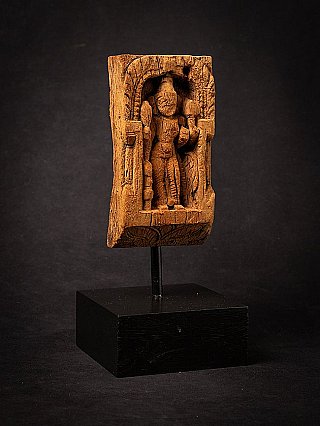
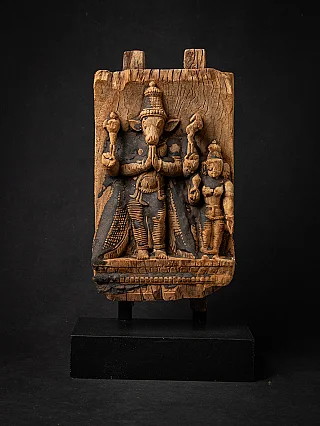
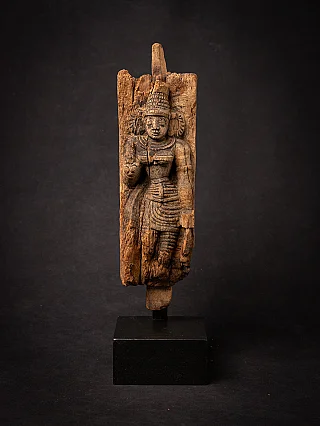
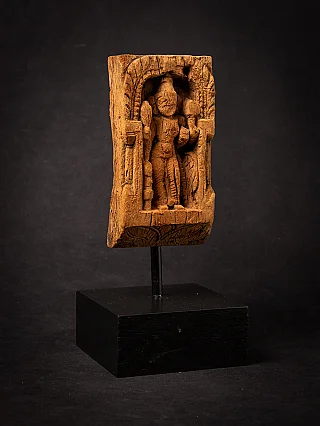
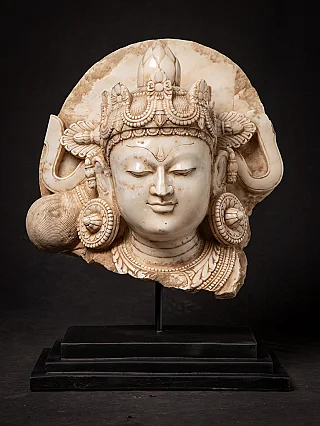
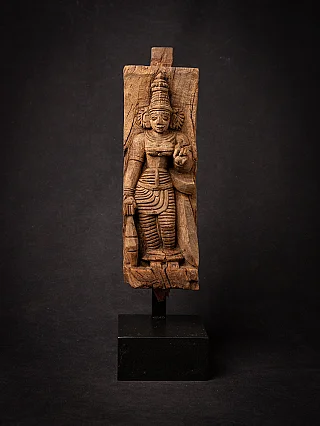
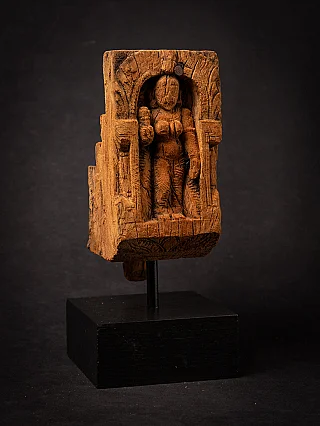
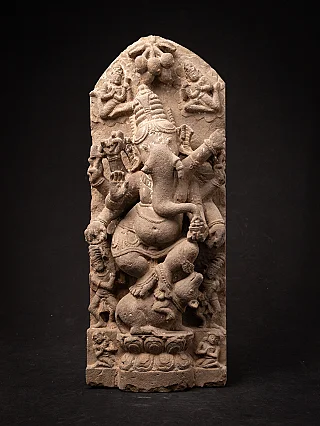
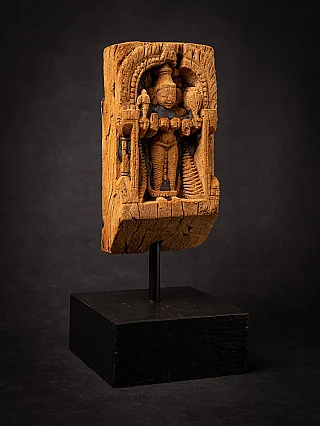
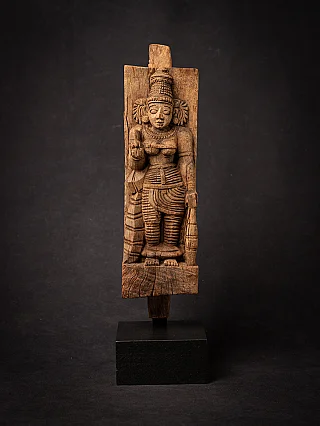
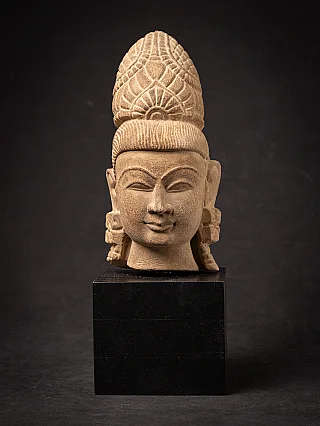
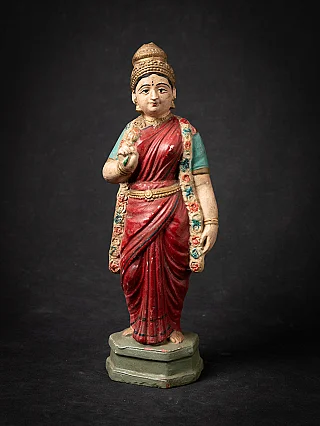
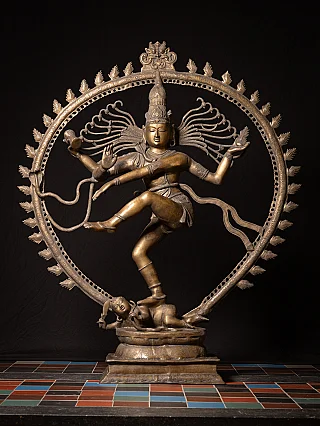
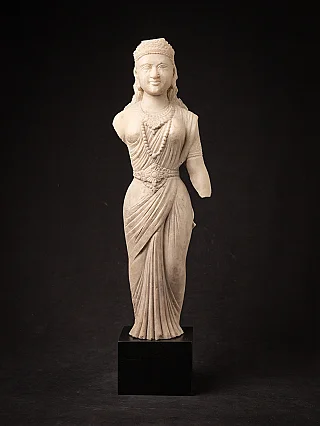
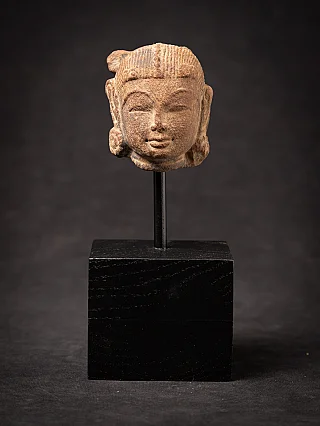
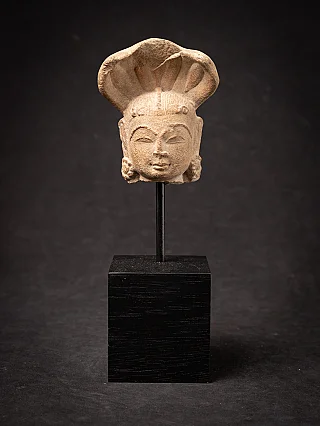
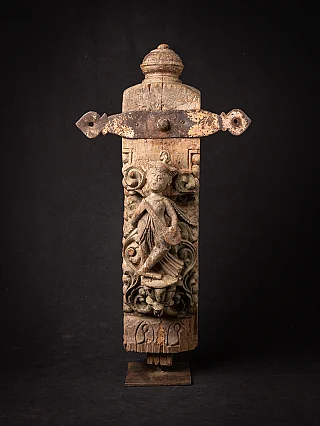
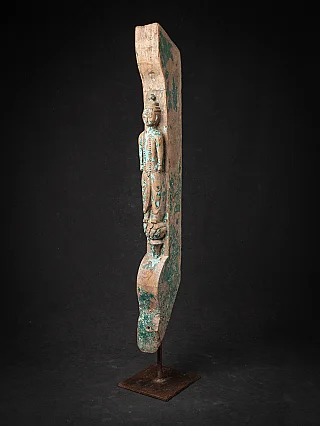
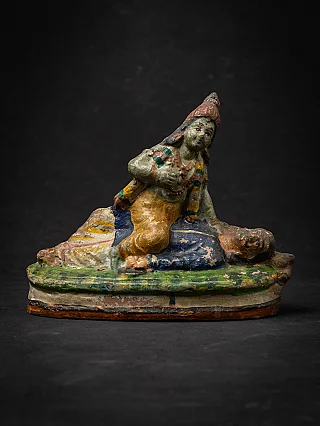
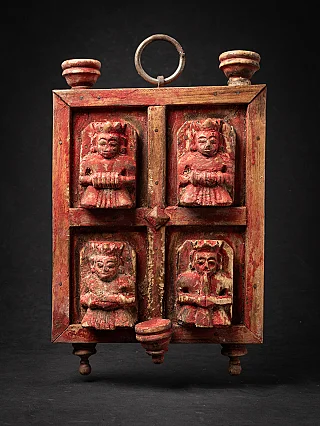
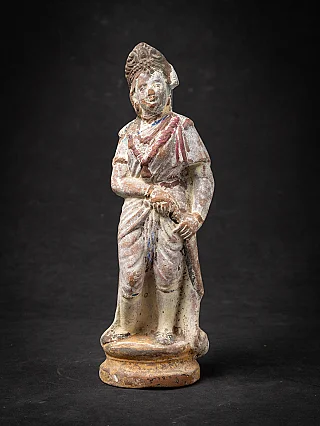
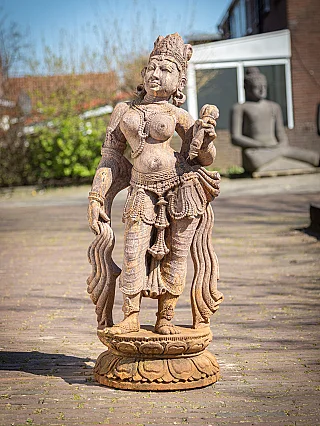
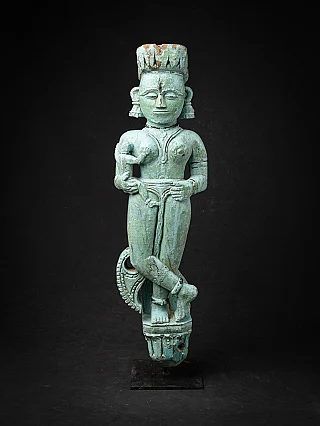
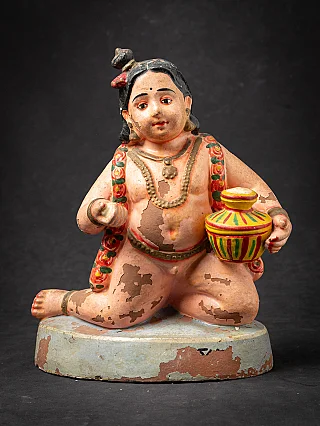
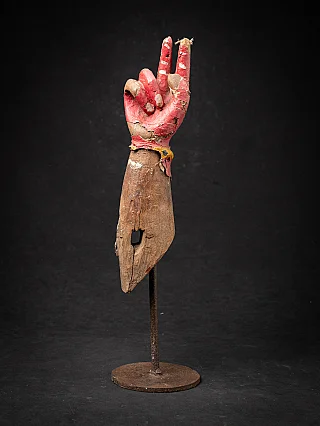
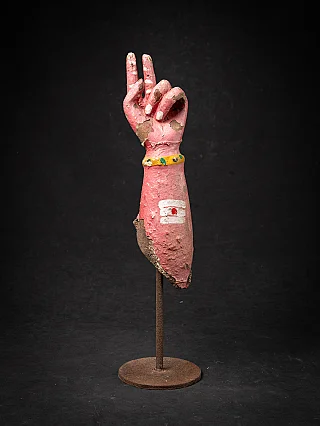
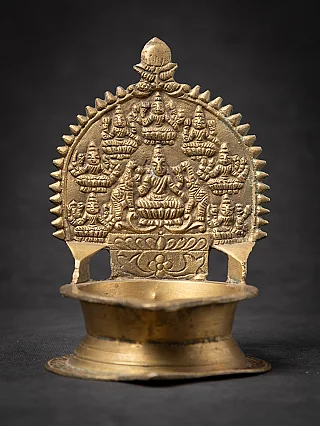
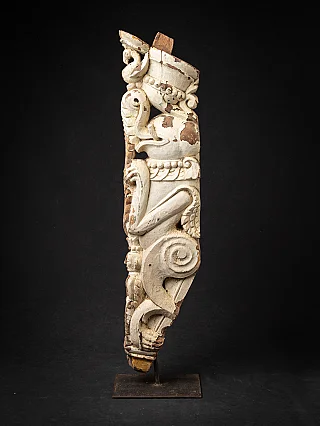
Durga is shown in many ways. As Mahishasuramardini she has eight, ten or more arms, rides a lion and kills the buffalo demon. As Navadurga she appears in nine different forms. In Nepal, Newar artists cast her in bronze and carve her in wood for temples and shrines, often together with Taleju and the Ashta Matrika, the eight mother goddesses.
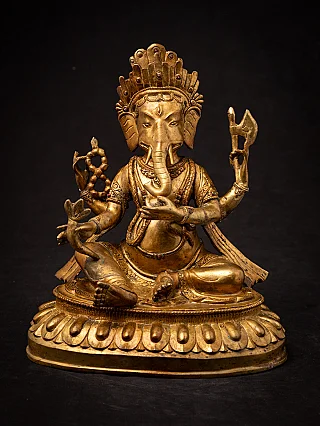
Durga is also understood as a form of Parvati, the wife of Shiva. Read their story in the love story of Shiva and Parvati. Lakshmi, worshipped on Kojagrat Purnima, and Saraswati, honoured in South India during Navratri, are often placed beside her, and Rama, the hero of Dussehra, is one of the avatars of Vishnu.
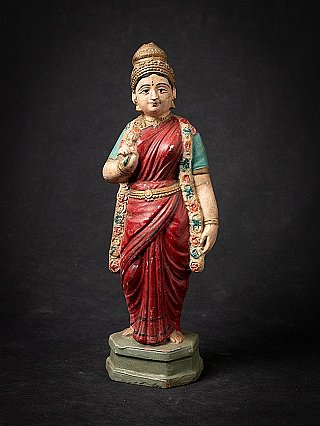
See our Parvati and goddess statues
Frequently asked questions
Is Dashain the same as Navratri?
They share their first nine days, the worship of Durga and the meaning of the victory of good over evil. Dashain continues for another six days and centres on family tika, so in Nepal it is a festival of its own.
Is Dashain the same as Dussehra?
The tenth day of Dashain, Vijaya Dashami, falls on the same lunar day as Dussehra. In Nepal it is celebrated with tika and blessings from elders, in India mostly with the Ram Lila and the burning of Ravana effigies.
When is Dashain tika in 2026?
Vijaya Dashami tika in Nepal falls on Wednesday 21 October 2026. Dussehra in India falls on Tuesday 20 October 2026.
What is jamara?
Barley shoots sown on the first day of Dashain and grown in the dark for nine days. On Vijaya Dashami they are placed behind the ears of younger family members as a blessing.
What does the red tika mean?
Red is the colour of Durga and of good fortune. The tika carries the blessing of the elder who gives it, and receiving it from as many relatives as possible is part of the festival.
How do you wish someone a happy Dashain?
In Nepali, people say "Bijaya Dashami ko hardik shubhakamana", warm wishes for Vijaya Dashami. In India, "Happy Navratri" and "Happy Dussehra" are common.
Can I have a Durga or goddess statue at home?
Yes. Many people keep a statue of Durga, Parvati, Lakshmi or Saraswati at home as a sign of protection, prosperity or learning. Place it on a clean, raised spot and treat it with respect. Our article on Hindu and Buddhist deity statues explains how to recognise the different figures.
Share this page