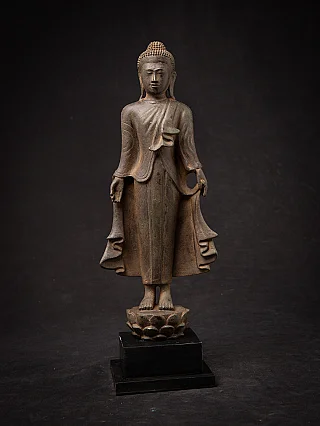
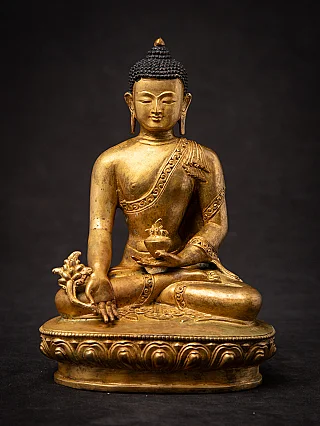
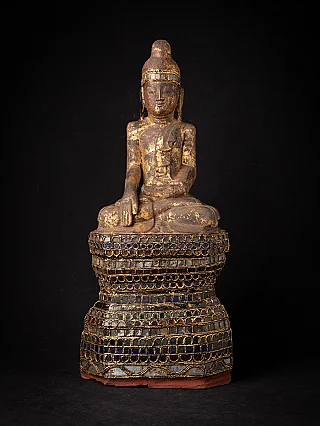
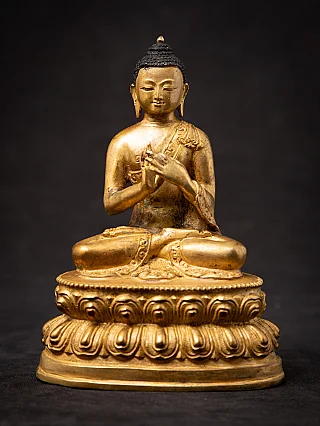
Aparmita: The Buddha of Infinite Life and Wisdom
Author : Peter Vredeveld · Published
Aparmita, also known as Amitayus, is a revered figure in Mahayana and Vajrayana Buddhism. He embodies the qualities of infinite life, wisdom, and spiritual merit. As a manifestation of Amitabha Buddha, Aparmita is venerated for his power to extend lifespan, remove karmic obstacles, and guide sentient beings toward enlightenment.
Who is Aparmita?
Aparmita is a specific emanation of Amitabha Buddha, focusing on longevity and purification of negative karma. His name, Aparmita, means "The Infinite One," highlighting his ability to bestow boundless life force and wisdom upon devotees.
Key Aspects of Aparmita:
- Role: He is the Buddha of Infinite Life, aiding practitioners in attaining a longer lifespan to progress spiritually.
- Association: Aparmita is closely linked to Amitabha Buddha, the ruler of the Western Pure Land (Sukhavati).
- Worship: Highly revered in Tibetan Buddhism, Mahayana traditions, and Vajrayana practices.
Aparmita vs. Amitayus vs. Amitabha: What’s the Difference?
There is often confusion between Aparmita, Amitayus, and Amitabha. While these names refer to closely related aspects of the same enlightened being, they have different meanings:
- Amitabha means Infinite Light and guides beings to rebirth in the Pure Land.
- Amitayus means Infinite Life and grants longevity, wisdom, and health.
- Aparmita means The Boundless One, emphasizing endless blessings and extended life.
Aparmita is another name for Amitayus, a specific aspect of Amitabha Buddha focused on long life and wisdom.
Iconography & Symbolism
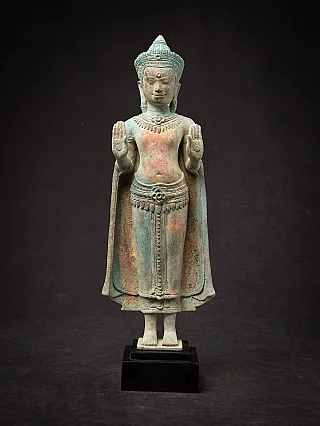
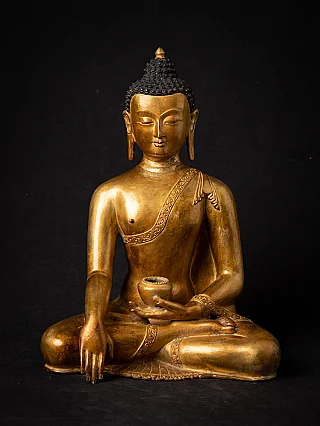
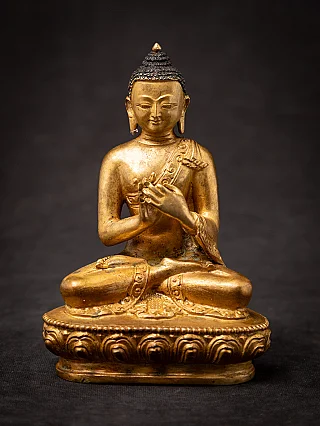
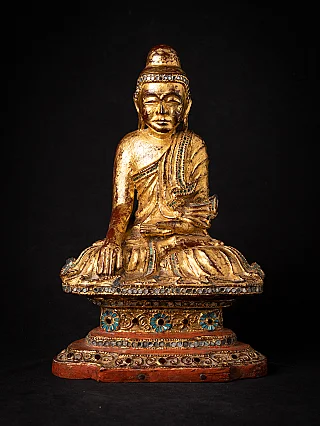
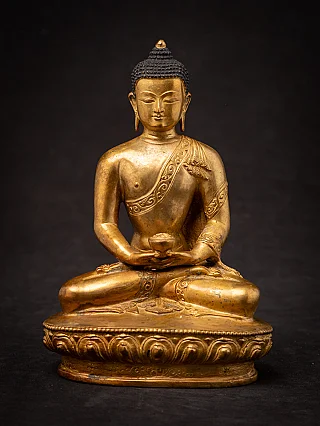
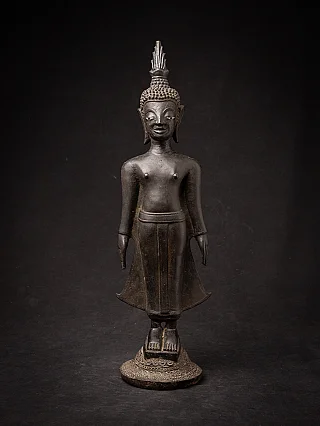
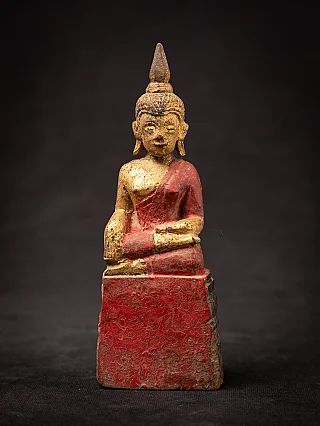
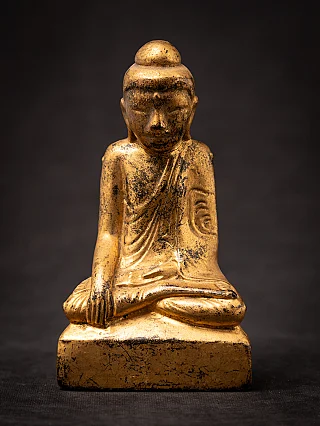
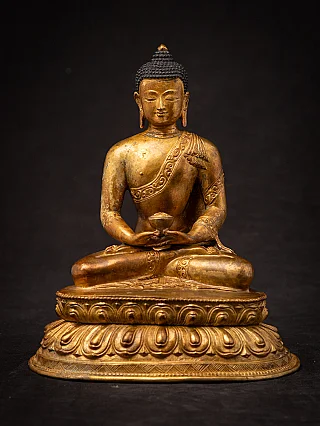
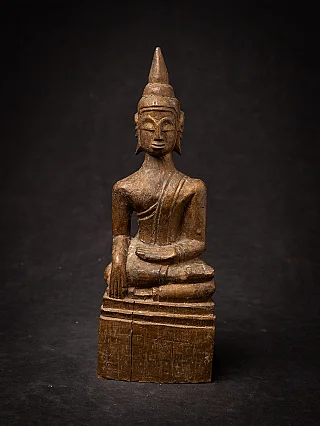
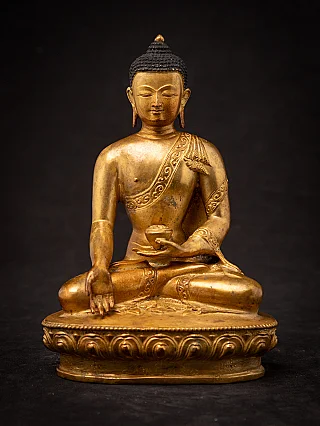
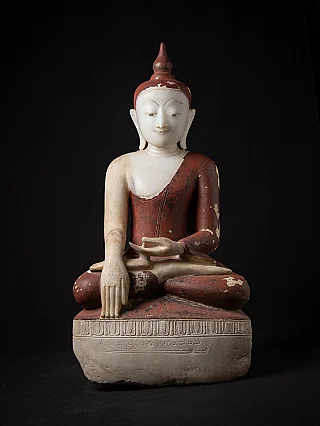
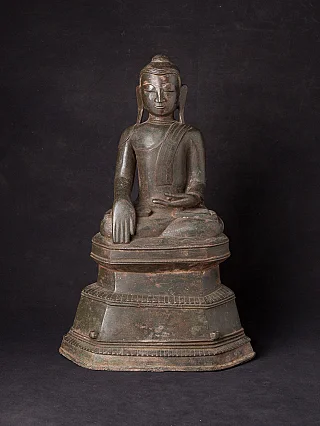
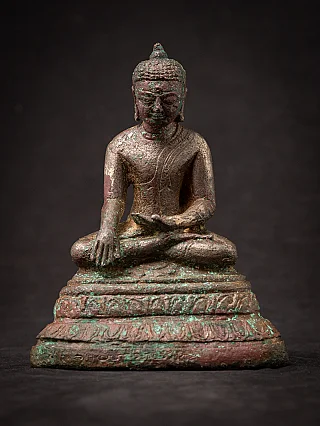
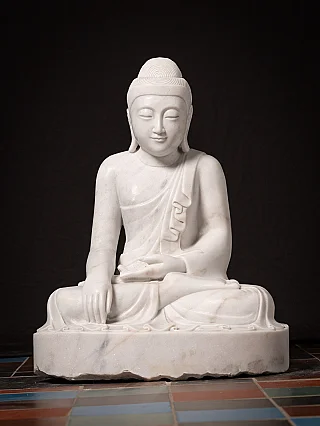
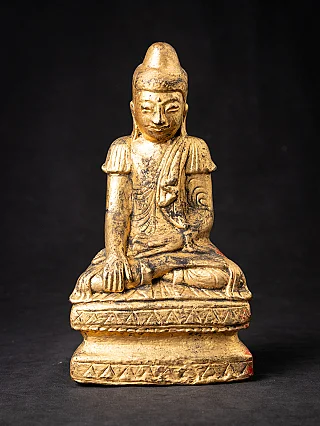
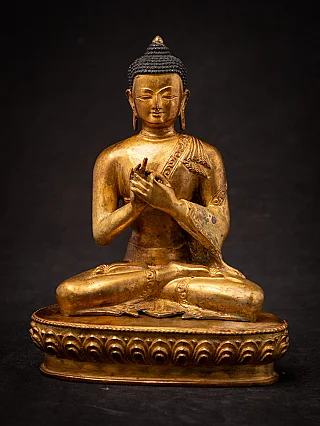
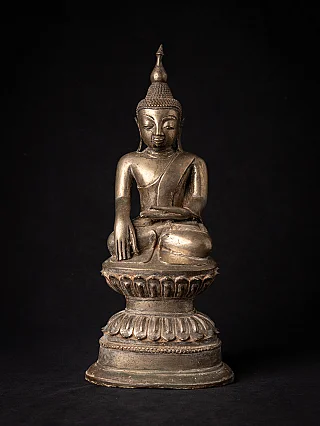
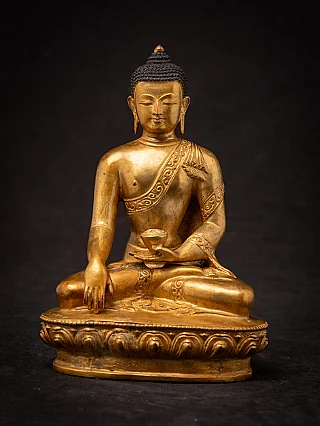
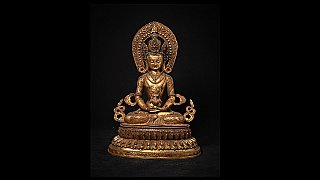
Aparmita's image is rich with spiritual symbolism, each element representing his divine qualities.
Key Features of Aparmita's Depiction:
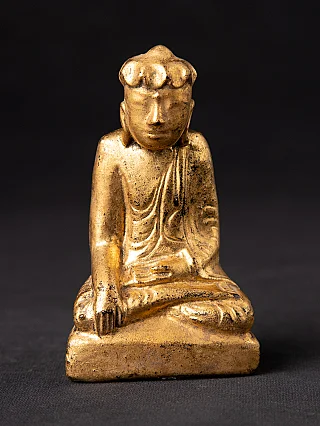
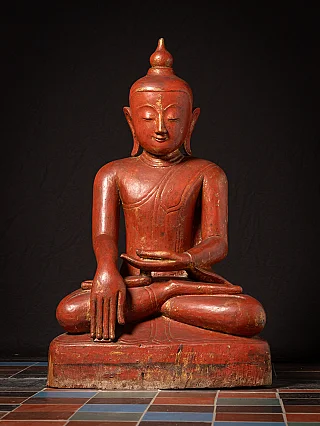
- Golden or Red Body – Symbolizes vitality, wisdom, and limitless compassion.
- Seated in a Meditative Posture (Dhyana Mudra) – Represents deep contemplation and inner peace.
- Holding a Vase (Kalasha) of Amrita (Nectar of Immortality) – The nectar grants long life and purification from suffering.
- Adorned with Jewels and a Crown, it signifies his enlightened status and vast wisdom.
These symbols reinforce Aparmita's role as a powerful source of healing, longevity, and spiritual awakening.
How to Practice Aparmita's Teachings for Longevity and Wisdom
1. Aparmita's Mantra and Its Benefits
One of the most profound ways to connect with Aparmita is through chanting his sacred mantra:
Om Amarani Jivantaye Svaha
Benefits of Reciting the Aparmita Mantra:
- Extends lifespan by purifying negative karma.
- Heals illnesses and strengthens mental and physical well-being.
- Increases wisdom and clarity, aiding in spiritual development.
- Removes fears of death and rebirth.
2. Aparmita Meditation & Visualization
Practicing Aparmita meditation helps accumulate spiritual merit and enhance vitality. Here's how:
Step-by-Step Aparmita Meditation:
- Sit in a comfortable position and calm your mind.
- Visualize Aparmita seated in a golden light, radiating compassion and infinite life energy.
- Imagine his nectar vase pouring golden light into your body, dissolving illness and extending your lifespan.
- Chant his mantra while maintaining this visualization.
- Dedicate the practice to all beings, wishing them long life, health, and enlightenment.
3. Rituals & Puja for Aparmita
Many Buddhist temples and practitioners perform Aparmita Puja (ceremonial prayers) to invoke blessings. These rituals involve:
- Offerings of pure water, flowers, and incense.
- Recitation of longevity prayers and texts.
- Empowerment ceremonies conducted by Buddhist masters.
These practices are especially recommended for those facing health issues or seeking spiritual longevity.
Aparmita in Tibetan Buddhism
In Tibetan Buddhist traditions, Aparmita is an essential figure in long-life practices. Tibetan lamas often perform Aparmita empowerment rituals to bless followers with extended lifespans and wisdom.
Prominent figures, including the Dalai Lama, receive and transmit Aparmita initiations, ensuring the continuation of this sacred practice.
Frequently Asked Questions (FAQs)
1. How is Aparmita different from Amitabha?
Aparmita is a form of Amitabha Buddha focused on long life, healing, and wisdom. Amitabha primarily represents infinite light and the path to Pure Land rebirth.
2. Can Aparmita's mantra extend lifespan?
Yes, Buddhist scriptures affirm that reciting the Aparmita mantra can purify negative karma and remove obstacles to a long and fulfilling life.
3. Is Aparmita worshiped in all Buddhist traditions?
Aparmita is primarily venerated in Mahayana and Vajrayana Buddhism, but his teachings on compassion, wisdom, and longevity are universal.
4. Can non-Buddhists practice Aparmita meditation?
Absolutely. Anyone seeking health, wisdom, and inner peace can benefit from Aparmita's meditation and mantra recitation.
Share this page